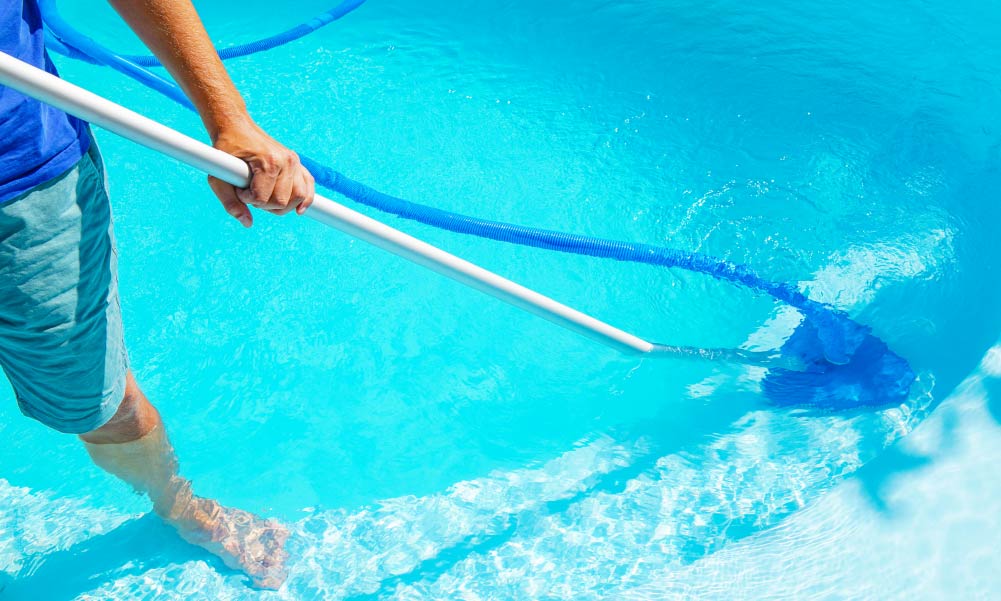
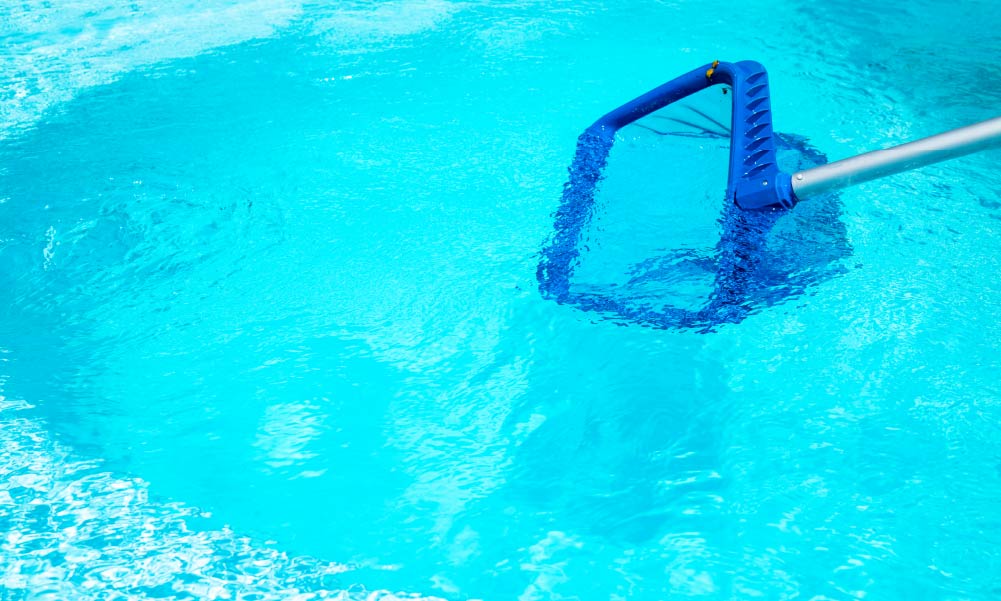
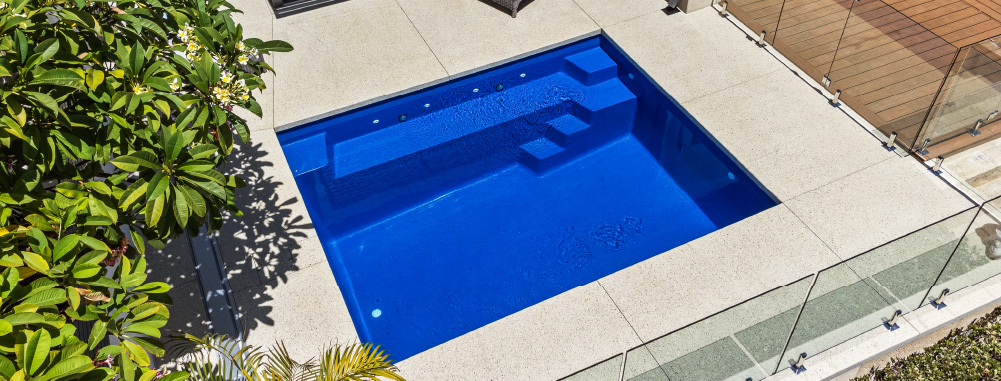
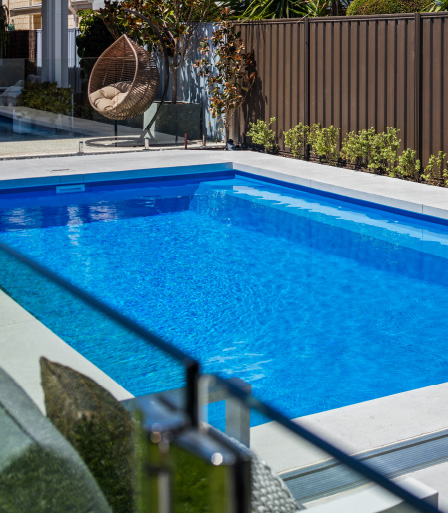
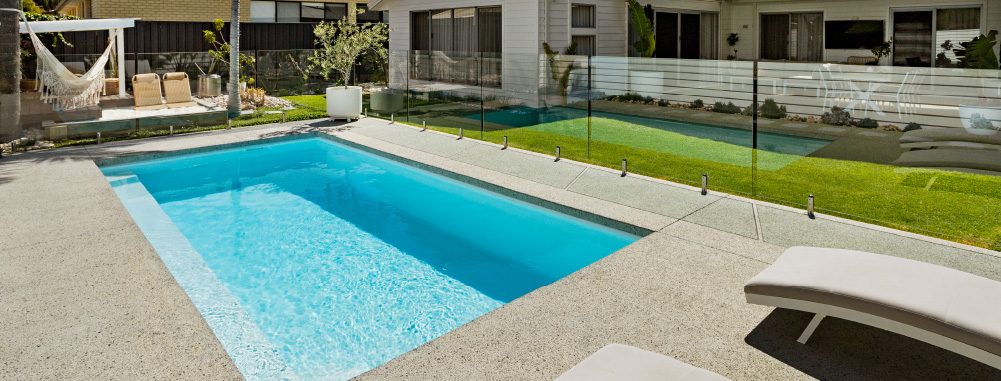
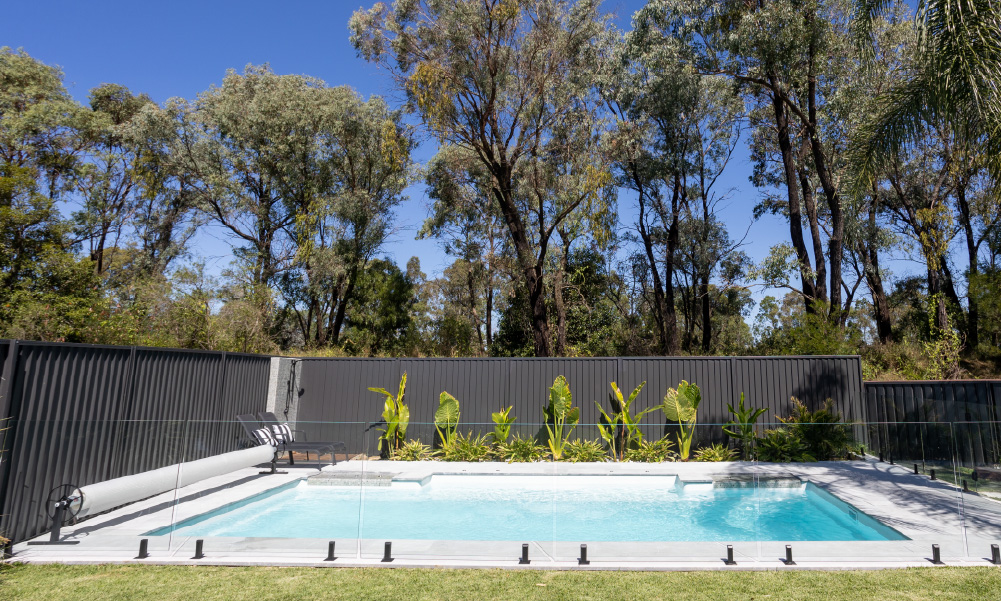
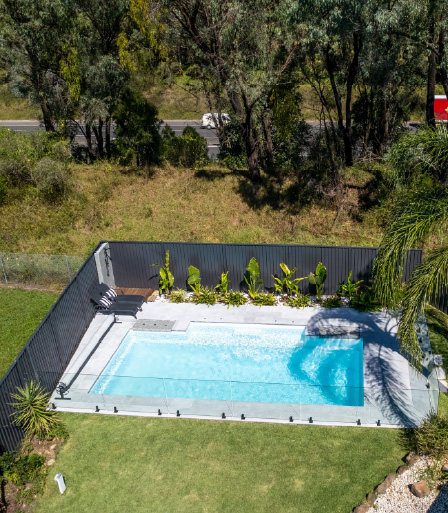
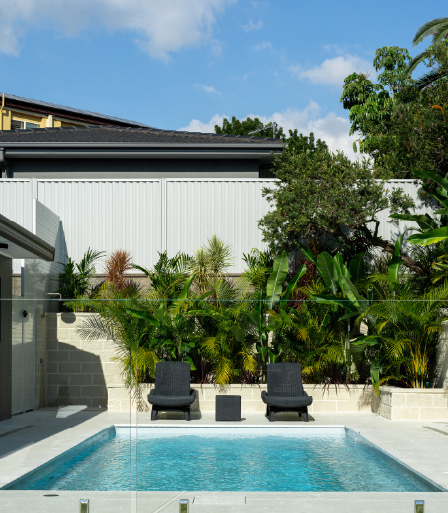
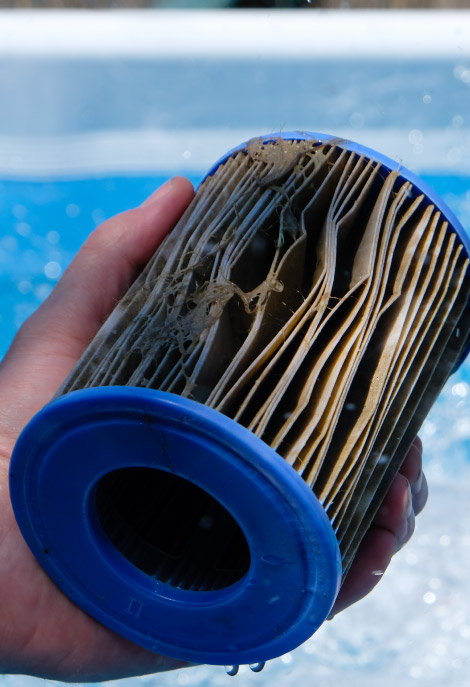
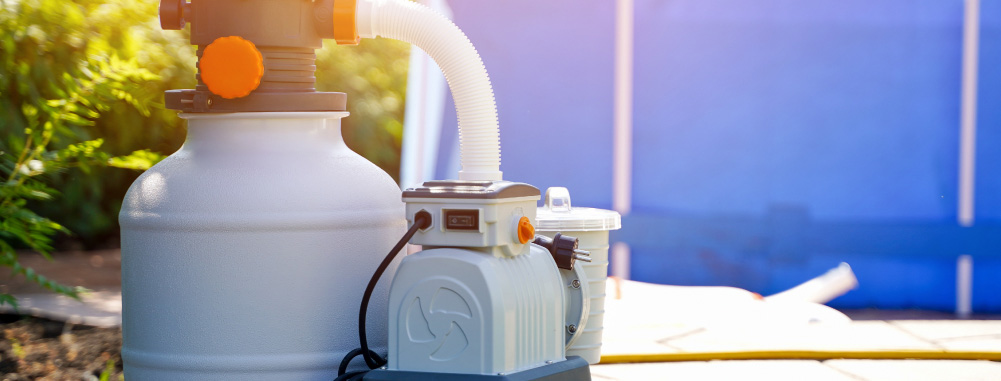
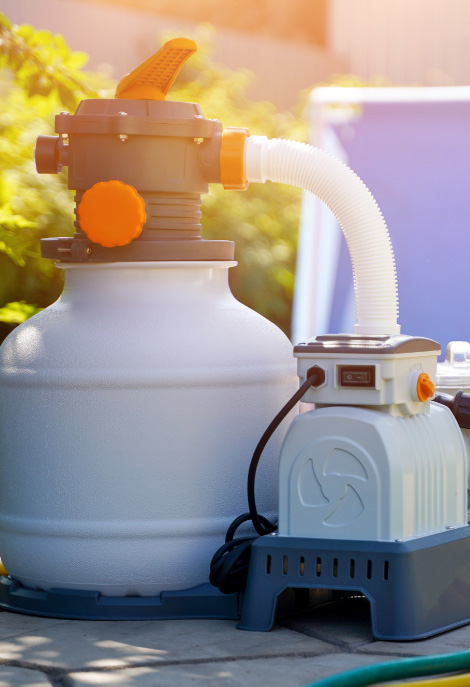
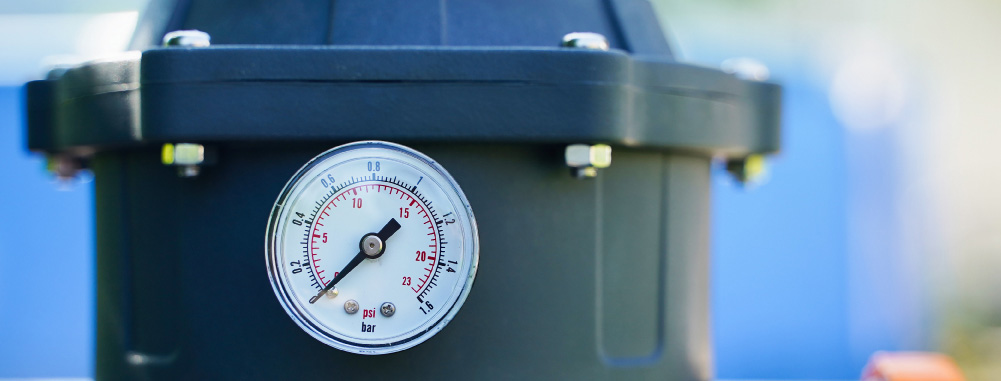
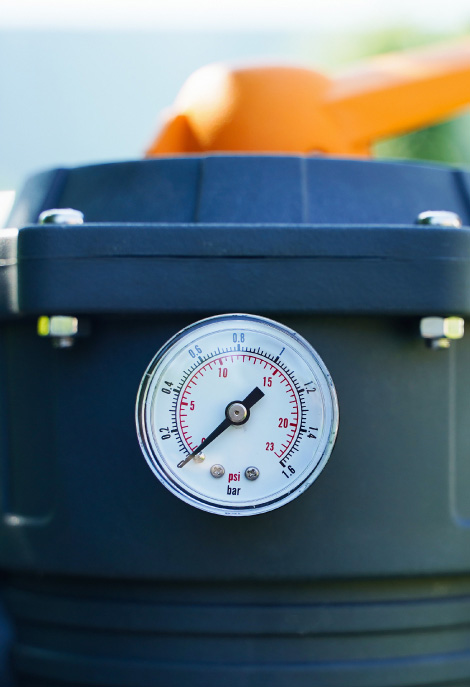
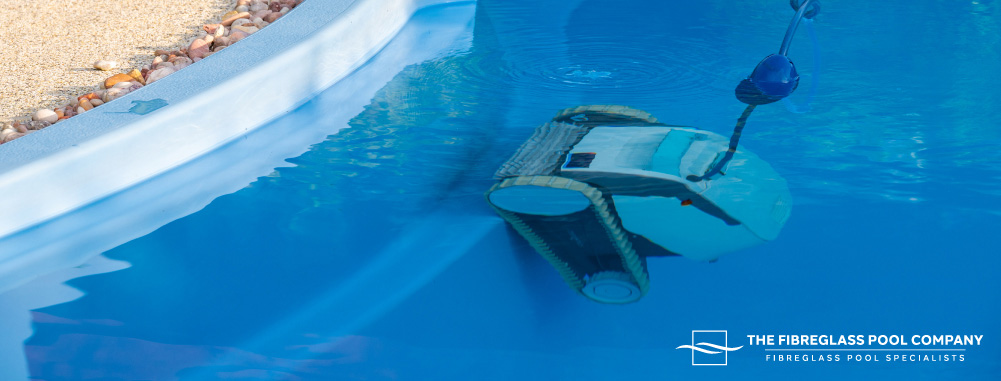
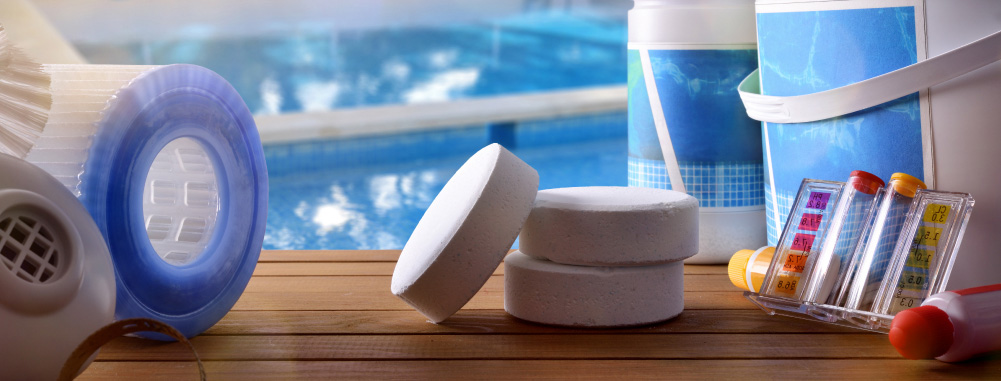
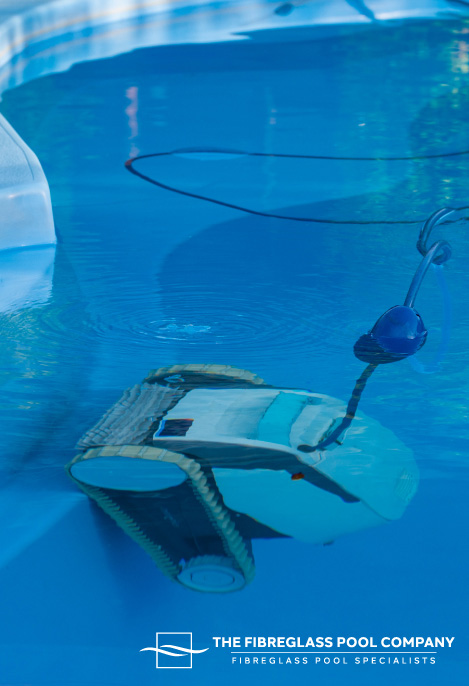
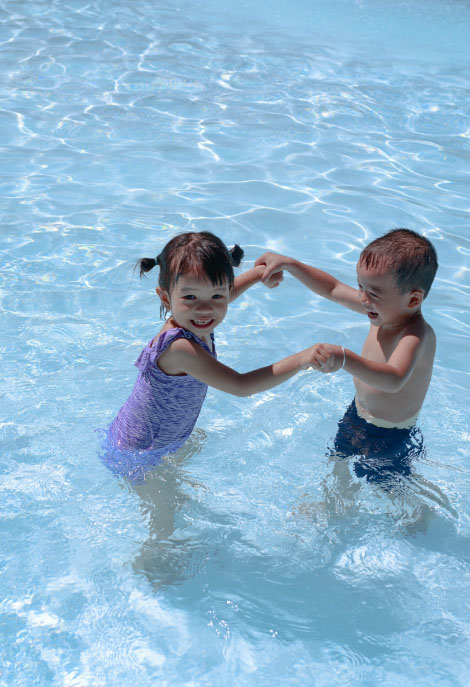
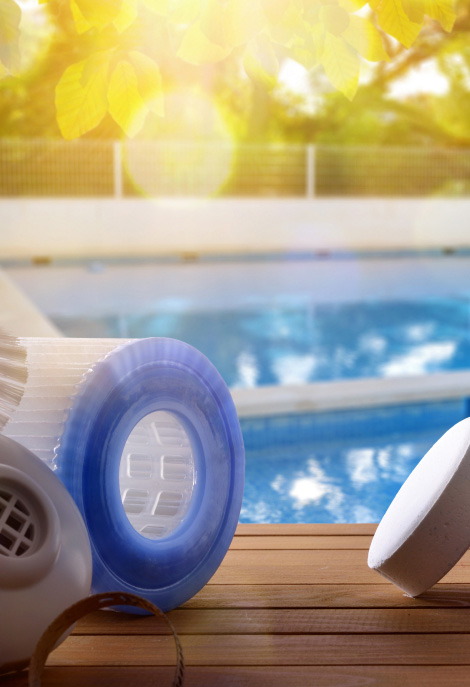
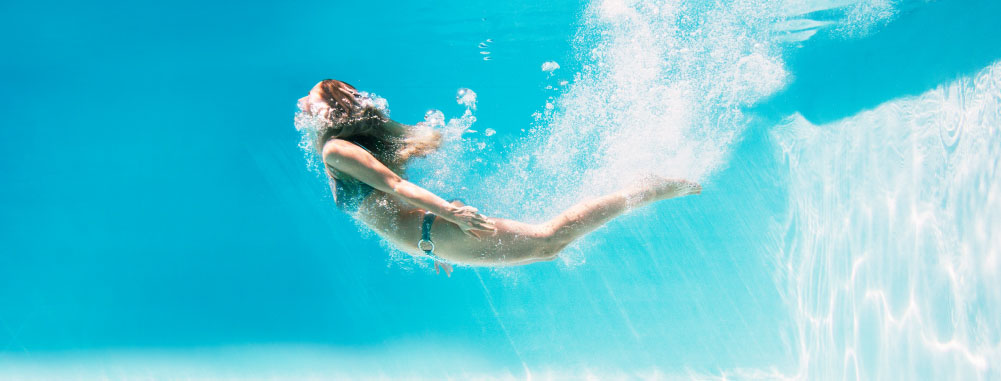
Maintaining a pristine pool isn't just about aesthetics; it’s essential for ensuring the health and safety of those who use it. A clean pool prevents the spread of bacteria and other contaminants, making it a safer environment for swimmers. A key component in achieving this level of cleanliness is your pool skimmer system. An efficient skimmer system is crucial for removing debris, such as leaves, insects, and other unwanted materials that can compromise water quality.

how-to-upgrade-your-pool-skimmer-system-banner

Key Takeaways

By keeping the surface clean, the skimmer reduces the overall workload of your pool’s filtration system, allowing it to function more effectively and prolonging its life. In this comprehensive guide, we will explore how you can upgrade your pool skimmer system to enhance its performance, make maintenance easier, and extend the life of your pool. We’ll cover essential tips and techniques, from choosing the right skimmer to installation and maintenance practices that will ensure your pool remains a sparkling oasis all season long.

Understanding your pool skimmer system

Before diving into the upgrade process, it’s important to understand the fundamental components and functions of your pool skimmer system. A pool skimmer is designed to draw water from the pool’s surface and pass it through the circulation and filtration system, so debris like leaves, twigs, hair and other contaminants can be removed before they sink.

A typical skimmer system includes:

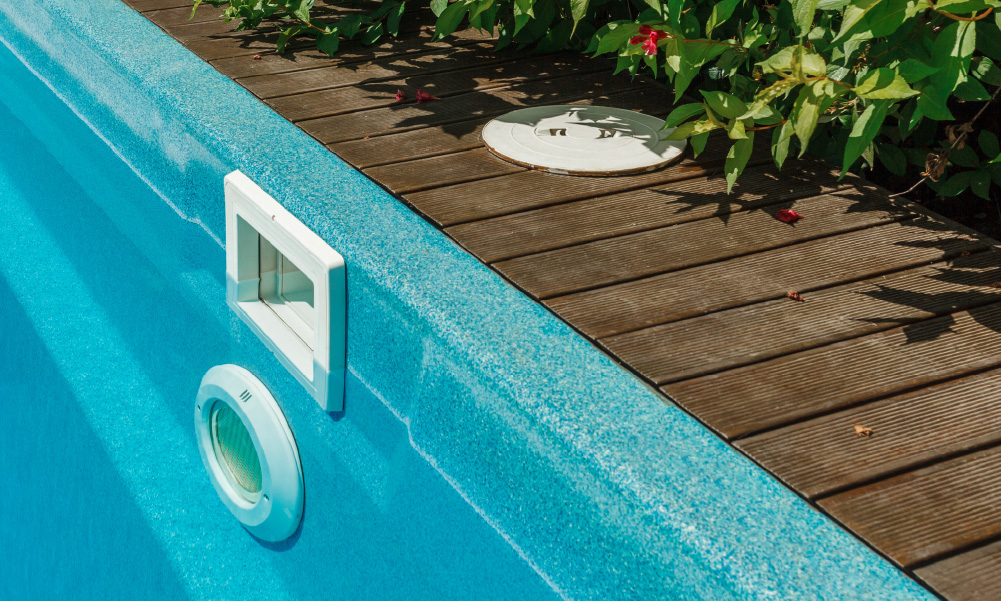
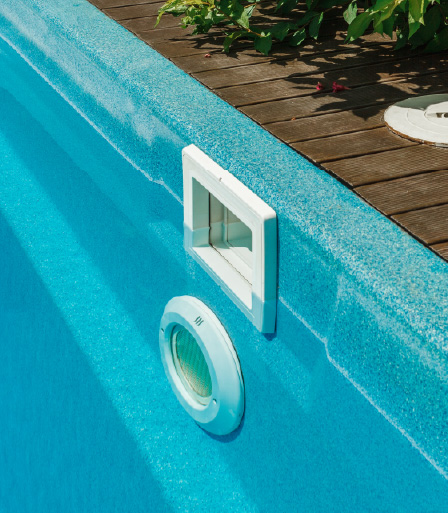
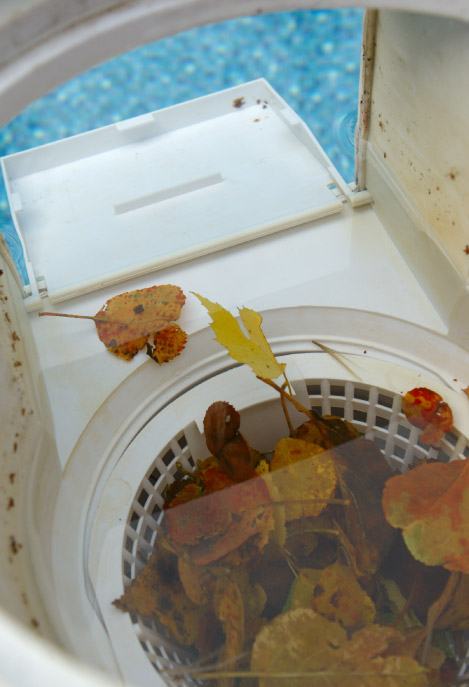
  • The skimmer box: This box is fitted into the side of the pool and houses the skimmer basket and weir.
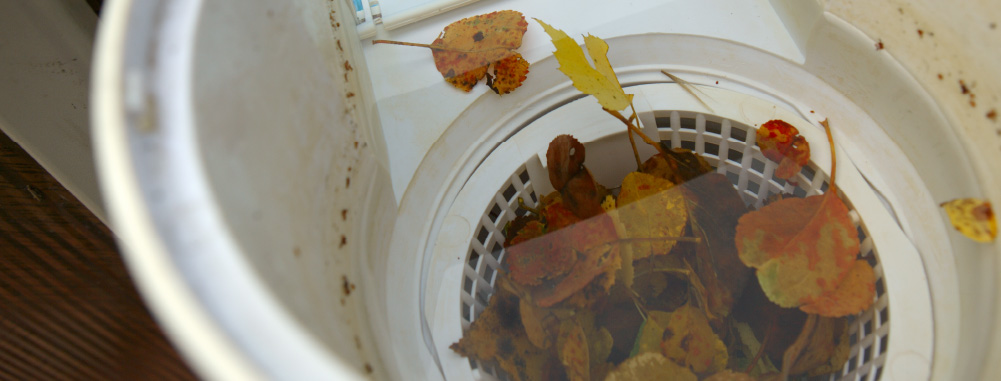
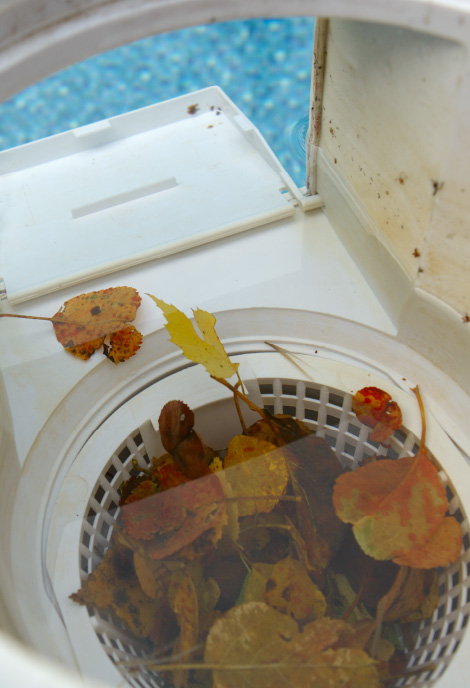
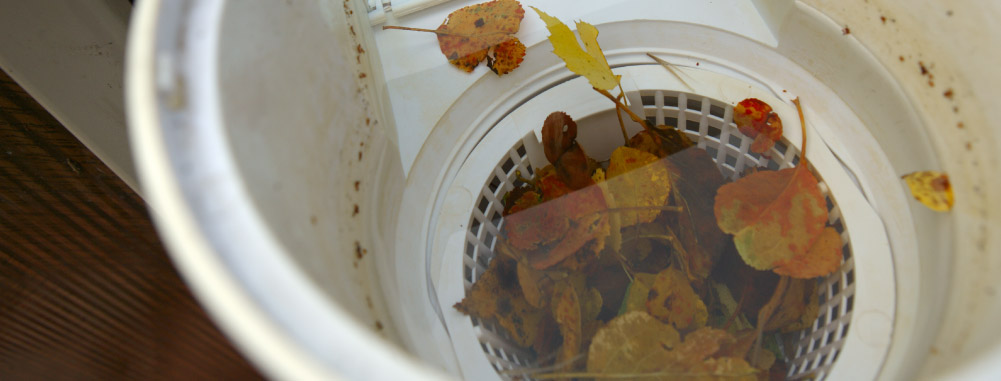
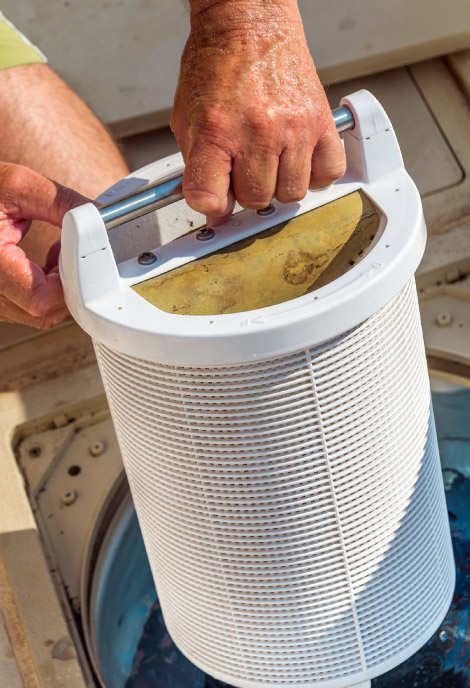
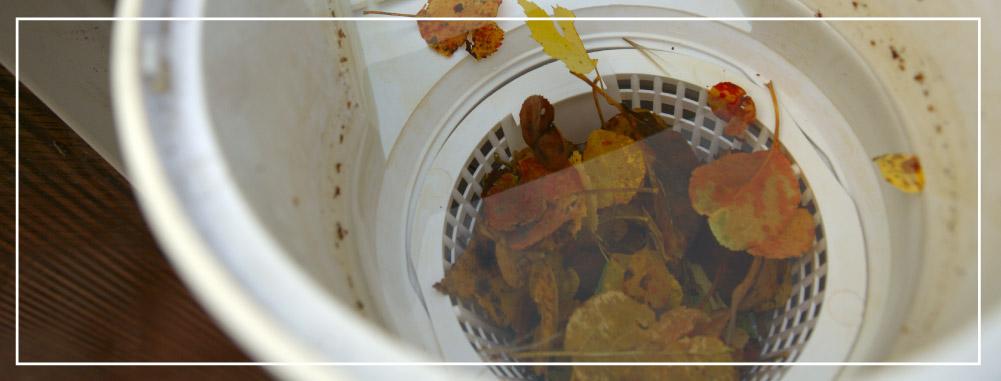
  • The skimmer basket: This basket catches large debris such as leaves, hair, and other floating particles. Without it, debris can clog and damage your pool’s circulation and filtration system.
  • The weir: A flap that helps to control the flow of water into the skimmer, ensuring that debris is efficiently collected. When the pump turns off, the weir pivots closed to help stop debris from drifting back into the pool.
  • The suction line: Connects the skimmer box to the pool pump, drawing water and debris into the filtration system.

Extra skimmer components you may see

  • The mouth: The opening of the skimmer through which water and debris are pulled in.
  • The lid: Helps stop larger debris entering the skimmer box and keeps the skimmer basket protected and accessible.
  • The equaliser line: Helps prevent the skimmer from sucking air if the water level drops below the main inlet.
how-to-upgrade-your-pool-skimmer-system-blogimage1

What do pool skimmers do?

Pool skimmers do more than just “catch leaves”. Key benefits include:

  • Filtration and circulation: Skimmers act as the starting point of pool circulation, collecting debris before it reaches your pump or filter.
  • Supporting sanitation: Many pool owners place chlorine tablets in a skimmer basket for controlled dissolving as water passes through (always follow product directions and ensure it’s suitable for your setup).
  • Pool vacuuming connection point: You can vacuum through skimmers by inserting the vacuum hose into the skimmer suction hole, or using a skimmer vacuum plate.

Different types of pool skimmers

Depending on your pool setup and how much debris you deal with, you may come across several skimmer types:

  • Manual pool skimmer: A mesh net attached to a pole that you use by hand to clear debris from the surface.
  • Automatic pool skimmer: A surface skimmer that moves across the pool and collects floating debris.
  • Robotic pool skimmer: Self-contained skimmers that can run on solar power or batteries and skim debris as they float on the surface.
  • Built-in pool skimmer: The most common style for many pools—built into the pool wall and connected to your plumbing system.

Signs your pool skimmer system needs an upgrade

Even the best pool skimmers can become less effective over time. Here are some common indicators that your pool skimmer system may be underperforming:

  • Poor water circulation: If you notice stagnant areas in your pool, it could be a sign that your skimmer is not effectively circulating water.
  • Frequent clogging: Constantly having to clear out blockages in your skimmer basket or suction line can indicate that your system is struggling to handle the debris load.
  • Visible debris: If you find that debris is not being adequately removed from the surface of your pool, it might be time for an upgrade.
  • Age of the system: Older systems may not be as efficient or energy-saving as newer models.
  • Increased maintenance: If you’re spending more time maintaining your skimmer than enjoying your pool, an upgrade could save you time and hassle in the long run.

How to choose the right skimmer system upgrade

When considering an upgrade, several factors need to be taken into account:

  • Pool size: Ensure the new skimmer system is suitable for your pool’s size and volume.
  • Current system setup: Take into account your pool’s existing plumbing and filtration setup to ensure compatibility.
  • Budget: While upgrading can be an investment, consider the long-term savings on maintenance and energy costs.
  • Energy efficiency: Opt for systems that are designed to be energy-efficient, reducing the operational cost of running your pool.
  • Ease of maintenance: Look for skimmer systems that offer easy access and cleaning features.

Extra considerations before you buy

  • Durability: Skimmers come in different materials and build quality. Check reviews and ensure the skimmer suits your pool type and environment.
  • Cost vs value: Compare skimmers so you understand what you’re paying for and whether it’s worth the upgrade.
  • Ease of installation: Some skimmer upgrades are straightforward, others are best handled by a professional. If you’re unsure, it’s worth working with a proficient pool builder.

Step-by-step guide to upgrading your pool skimmer system

Ready to take the plunge? Follow this detailed guide to upgrade your pool skimmer system:

Pre-installation preparation

  • Research and purchase: Select the skimmer system that best meets your needs.
  • Gather tools and materials: You’ll need basic tools such as a screwdriver, PVC glue, and measuring tape.
  • Turn off the pool pump: Ensure the pump is off to prevent any accidents.

Installation process

  • Drain the pool: Lower the water level below the skimmer opening.
  • Remove the old skimmer: Carefully detach the existing skimmer box and clean the surrounding area.
  • Install the new skimmer: Position the new skimmer box and secure it in place, ensuring a watertight seal.
  • Connect the suction line: Attach the suction line to the new skimmer, using PVC glue for a secure fit.
  • Check for leaks: Once everything is in place, inspect for any potential leaks.

Post-installation maintenance tips

  • Refill the pool: Bring the water level back up to the appropriate level.
  • Test the system: Turn on the pool pump and check for proper operation.
  • Routine checks: Regularly inspect the skimmer basket and weir for any debris or blockages.

How to maintain your pool skimmer (weekly basics)

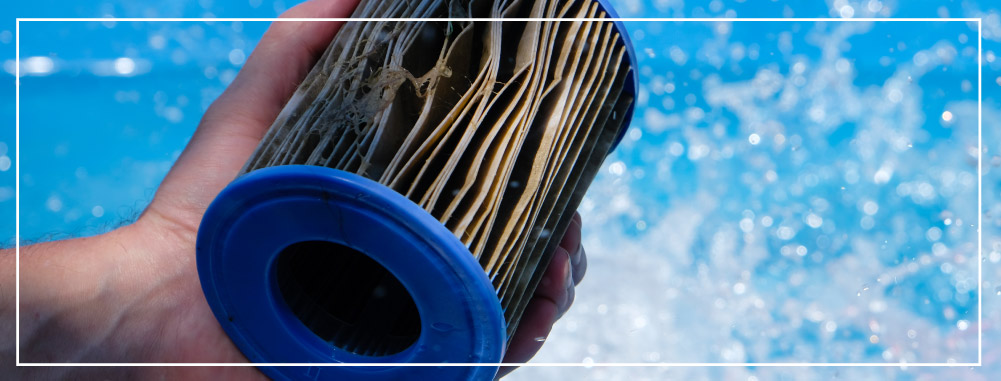
You must regularly clean your pool skimmer to ensure it works suitably. A clogged skimmer basket can damage your pool’s filtration system. It will make the pool’s pump work more than normal to cycle the water. This, in turn, can reduce the life of the pool filter and the pump.

Make sure you properly inspect the skimmer’s weir, basket, and lid once a week to keep your pool clean. If your backyard has a lot of trees or you are expecting a windstorm, it is recommended to clean the skimmers more frequently.

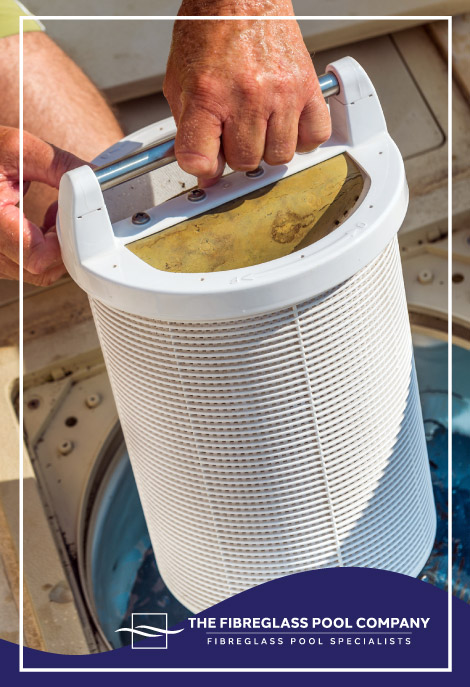
All you have to do is turn off the pool pump, remove the lid, take out the contents of the skimmer basket, then return the basket, close the lid and turn the pool pump back on once you are done. If your pool is regularly getting dirty or you’re unsure what “normal” cleaning looks like, this guide can help: How do you clean a fibreglass swimming pool?

how-to-upgrade-your-pool-skimmer-system-blogimage2

The Benefits of Upgrading Your Pool Skimmer System

Upgrading your pool skimmer system provides numerous benefits, both immediate and long-term. Here are some key advantages:

  • Improved water circulation: Enhanced skimmers ensure better water flow, helping to keep the entire pool clean.
  • Reduced maintenance: A more efficient skimmer system means less frequent cleaning and maintenance.
  • Energy savings: Modern skimmer systems are designed to be energy-efficient, reducing electricity costs.
  • Extended equipment life: By reducing the load on your pool’s filtration system, an upgraded skimmer can help extend its lifespan.
  • Enhanced aesthetics: A clean and clear pool is more inviting and enjoyable.

Upgrading your pool skimmer system is a worthwhile investment that enhances the overall maintenance and enjoyment of your pool. From improved water circulation to significant energy savings, the benefits are clear. A more efficient skimmer system can reduce the amount of time you spend manually cleaning your pool, allowing you to relax and enjoy your outdoor space more fully.

If you’re seeing signs that your current system is underperforming, such as poor water clarity or increased debris, consider the upgrade options available and take the plunge. Ready to take the first step? Upgrading your pool skimmer system will not only enhance your pool’s functionality but also provide you with more time to enjoy the water.

Frequently Asked Questions

What is a pool skimmer and what does it do?

A pool skimmer draws water from the surface and sends it into the circulation/filtration system, catching leaves and floating debris before it sinks. It helps protect your pump and filter by reducing blockages and improving surface cleanliness.

Common parts include the skimmer box, skimmer basket, weir (flap), and suction line. Many skimmers also have a lid, a skimmer “mouth” opening, and sometimes an equaliser line to help prevent the skimmer sucking air if the water level drops.

Signs include poor circulation, frequent clogging, visible debris not being collected, an older system that’s less efficient, and increased time spent cleaning or troubleshooting.

You may see manual skimmers (hand nets), automatic surface skimmers, robotic skimmers (battery/solar), and built-in skimmers connected to the pool plumbing system.

At least once a week, and more often if you have lots of trees, heavy winds, storms, or high debris load. A clogged basket can strain your pump and filter.

Yes. Many pool owners vacuum through the skimmer by inserting the vacuum hose into the skimmer suction hole or using a skimmer vacuum plate for effective vacuuming and debris removal.

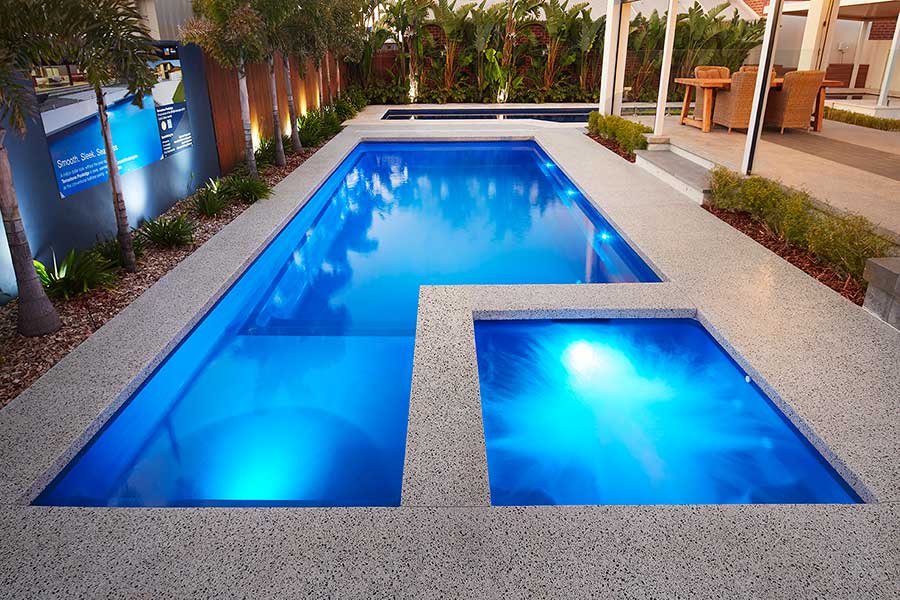
Trees around your pool can add beauty, shade and privacy, but they also come with practical considerations every pool owner should understand. Whether you are planning landscaping or deciding whether to keep a tree you already have, this guide will help you make an informed choice for your fibreglass pool.

How-Will-Trees-Affect-My-Pool-11

How Trees Affect Your Fibreglass Pool

Trees can add shade, privacy and visual appeal to your pool area, but they also have a practical impact on your fibreglass swimming pool. Leaves and other debris can fall into the water, insects and wildlife may be more common, shade can influence water temperature, and roots can affect surrounding structures.

These effects are not inherently negative, but they do require attention and maintenance. Understanding how trees interact with your pool will help you make informed decisions about planting and care, ensuring your fibreglass pool remains clean and enjoyable. 

Leaves, Debris and Pool Cleanliness

Nearby trees can drop leaves, flowers, seeds, bark, fruit, and small twigs into your fibreglass pool, and even a light breeze can carry debris into the water if trees are close to the pool edge. This matters because debris can clog filters, skimmer baskets, and pumps, while decaying organic matter uses up chlorine, alters pH, and increases the risk of algae. Debris left on the pool surface or bottom can also stain the gel coat and encourage further growth of algae.

Royal-Jade-Brooklyn-And-Spa

Fibreglass Pool Considerations

Fibreglass pools have a smooth gel coat surface that can stain if leaves, fruit, or pollen remain in the water for long periods. Regular skimming and cleaning prevent marks and help maintain the pool’s appearance. Fibreglass is also more sensitive to chemical imbalances caused by organic matter, so testing and adjusting chlorine and pH levels regularly is essential. Choosing trees with minimal leaf drop or planting them at a safe distance from the pool edge can significantly reduce cleaning and maintenance time.
Shade and Water Temperature

Trees naturally provide shade, which can be both beneficial and challenging for fibreglass pools. On the positive side, shade makes the pool area more comfortable on hot days and can help reduce the breakdown of pool chemicals caused by ultraviolet light. 

At the same time, shade can have drawbacks. Blocking sunlight may prevent the pool water from naturally warming, which can increase heating costs, and large shaded areas can cause the water to remain cooler in the morning or evening. By carefully pruning branches, you can create shade where it is most useful without covering the entire pool, striking a balance between comfort and water temperature.

Tip: Prune branches strategically to create shade where you want it without covering the entire pool.
Trees Can't Affect Your Pool Until You Have One!

Before you start planning one which trees to keep and which to get rid of,
it's worth checking which pool is best suited to your home. Click below to
to see our exclusive range today!

Wildlife and Insects

Trees can attract animals such as birds, lizards, insects and possums to your fibreglass pool area. While this can add to the natural feel of your backyard, it also has practical implications. Animal droppings and insects can affect water chemistry, requiring more frequent cleaning and chemical adjustments to keep the pool safe and balanced. 

Tip: Prompt removal of any animal debris and regular chemical checks help prevent staining and algae growth. Planting trees that attract fewer animals and keeping branches trimmed can reduce maintenance and protect your pool’s surface.

Roots and Pool Safety

A common concern for pool owners is whether tree roots can damage fibreglass pools. In general, roots do not harm the fibreglass shell itself, but they can affect surrounding paving, decking and underground plumbing if trees are planted too close. Very aggressive root systems may also make tree removal more difficult in the future, so careful planning of tree placement is important to avoid potential problems while maintaining the safety and accessibility of the pool area. 

Best practice for fibreglass pool owners is to plant trees with shallow, non-invasive roots at a comfortable distance from your pool.

…Many pool owners prefer having a shady area partially covering their pool. Although this is a great idea for summer, it also means that this area of your pool will take longer to heat during colder months – and can affect your pool’s overall temperature…

Choosing the Right Trees for Poolside

Not all trees are suitable for planting near fibreglass pools. Some species are known for heavy leaf or seed drop, sticky sap, messy fruit or invasive roots, which can create ongoing maintenance challenges. Trees that shed leaves annually, fruit-bearing trees, and pines or evergreen species with needle drop are best avoided.

Certain leaves are more likely to cause staining due to their natural tannins and pigments. Eucalyptus leaves are a common cause of brown or yellow marks in Australian pools, while pine needles, fallen fruit, and seed pods can also affect the pool surface if left in the water for too long. Choosing smaller ornamental trees, palms with minimal debris, or shrubs and hedges that produce very little leaf or fruit drop can help reduce cleaning, protect the pool surface, and maintain water chemistry.

Tip: Careful tree placement and avoiding high-debris species ensures your fibreglass pool stays looking its best with less maintenance.

Minimising Tree-Related Pool Issues

If you want to enjoy the benefits of trees near your fibreglass pool while keeping maintenance manageable, a few simple strategies can make a big difference:

  • Trim trees regularly to reduce falling debris and overhanging branches
  • Plant trees at least one and a half to three metres from the pool edge
  • Use a pool cover when the pool is not in use
  • Consider a fence or screen to act as a windbreak
  • Select trees that produce minimal leaves and fruit
fibreglass pools mittagong main

Can I Remove Trees After Installation?

Many fibreglass pool owners ask whether it is possible to remove a tree or stump after their pool has been installed. The answer is yes. Trees can be safely removed by professional arborists, which means you do not need to make a permanent decision about nearby trees before installing your fibreglass pool. Instead, you can enjoy the benefits of trees such as shade and privacy, knowing that removal is possible later if necessary.

Final Thoughts

Trees can add natural beauty and shade to your fibreglass pool, but they also require ongoing maintenance. When deciding whether to plant trees nearby, it is important to balance the comfort and aesthetic benefits they provide with the time and effort needed to keep your pool clean and chemically balanced. 

With careful planning and smart tree selection, you can enjoy an attractive and functional pool area while minimising maintenance.

Ready to create your ideal poolside area?

Explore our full pool range to find the perfect fibreglass pool for your home, from family designs to compact plunge pools

If you’d like personalised advice on choosing the right pool and planning your landscaping, you can request a free quote or contact us anytime.

Call The Fibreglass Pool Company on 1300 324 909 (national) or 07 3078 6788 (North & South Brisbane) to speak with a pool specialist about your project. You’re also welcome to visit one of our display centres, including the Slacks Creek location in Brisbane.

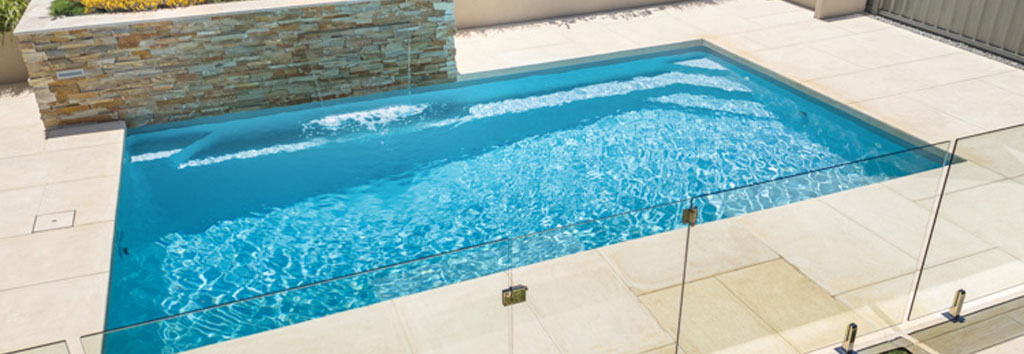
A plunge pool is a popular addition to any Queensland backyard. It provides the perfect way to unwind after a long, hot day or entertain guests on weekends. While warmer days are ideal for swimming, cooler months can make pool use less appealing. The good news is that plunge pools can be heated, allowing you to enjoy your pool all year round.

can-a-plunge-pool-be-heated-01

In this article, we’ll explore heated plunge pools, discuss the benefits of pool heating systems, review different heating options, and provide tips to choose the right system for your backyard.

Let’s dive in.

Can Fibreglass Plunge Pools Be Heated?

Fibreglass plunge pools and swim spas are particularly well-suited to heating. Their compact size allows them to warm quickly, and their natural insulation helps retain heat efficiently. This makes fibreglass pools economical and effective to heat year-round, whether for relaxation, hydrotherapy, or swimming.

Beyond warmth, plunge pools can also be cooled during summer. Options include reverse-cycle heat pumps and water chillers. This versatility makes your plunge pool suitable for swimming, hydrotherapy, and wellness, no matter the season.

Benefits of Heated Plunge Pools

Heated plunge pools offer a range of wellness advantages:

  • Soothes tired muscles
  • Supports recovery from injuries
  • Reduces stress and promotes relaxation
  • Ideal for hydrotherapy or post-exercise recovery

Choosing Plunge Pool Heater: Factors to Consider

Selecting the best plunge pool heater requires considering your lifestyle, pool usage, and environment. Here are the main factors to keep in mind:

Local Climate

Your local climate has a significant impact on your heating choice. Even in generally warm regions, winter temperatures can make swimming uncomfortable. Fibreglass pools retain heat well, but cooler climates may require more powerful systems to maintain a consistent temperature.

Pool Usage and Purpose

How often and why you use your plunge pool affects your heating needs:

  • Frequent use: Choose an energy-efficient system that maintains a consistent temperature
  • Occasional use: Opt for a system that heats water quickly, such as a gas heater
  • Primary use: Consider whether your pool is for relaxation, swimming, or hydrotherapy, as this may influence your ideal water temperature

Pool Size

Smaller plunge pools heat faster and use less energy. Larger pools require more powerful heaters, which can increase operating costs. Understanding your pool size ensures you select the most efficient system for your needs.

Budget and Running Costs

Consider both upfront costs and ongoing energy consumption. Solar systems and heat pumps are generally more cost-effective long-term, while gas heaters provide rapid heating but can be more expensive to run.

Desired Temperature and Heating Speed

Some systems provide gradual warming, while others heat quickly on demand. Your preferred water temperature, how fast you want it reached, and seasonal usage all factor into your choice.

Long-Term Energy Efficiency

Energy-efficient systems, such as inverter heat pumps or solar heaters paired with a pool cover, help minimise running costs while maintaining comfort year-round.

Tip: If you are planning a new pool, consider installing a second set of pipes during construction. This allows future installation of a plunge pool heater without disturbing the existing pool. Pre-planning saves time, money, and hassle and ensures you can add heating or cooling systems easily as your needs evolve.

Types of Plunge Pool Heaters

Solar Heating Systems

Solar plunge pool heaters are eco-friendly and cost-effective. Water circulates through roof-mounted solar panels, absorbs heat from the sun, and returns to the pool. Solar pool heating is ideal for maintaining a steady temperature, but it may heat slowly during overcast days or in winter. For best results, use a solar pool blanket or cover to retain heat.

Costs and Environmental Impact

  • Installation Costs: Generally eco-friendly, with initial costs varying by system size.
  • Running Costs: Minimal running costs; may qualify for government incentives.
  • Environmental Impact: Lowest footprint; renewable energy and reduced emissions.

Electric Heating Systems

lectric heat pumps extract warmth from the air to heat your pool water. Inverter models adjust their output to save energy while maintaining a consistent temperature. Heat pumps are efficient, reliable, and suitable for year-round use.

Costs and Environmental Impact

  • Running Costs: Costs vary with usage and settings.
  • Environmental Impact: Moderate impact; greener with renewable electricity.

Gas Heating Systems

Gas heaters provide rapid heating, perfect for on-demand use. They are particularly useful for occasional swims, evening dips, or wellness pools where immediate warmth is required. Pairing a gas heater with solar heating can provide efficient year-round comfort.

Costs and Environmental Impact

  • Installation Costs: Higher upfront costs, depending on complexity.
  • Running Costs: Annual costs can vary depending on usage.
  • Environmental Impact: Highest impact; suitable for occasional use or as a backup.

Solar Pool Covers and Blankets

Pool covers and solar blankets are not heaters themselves, but they help retain warmth and reduce energy use. Many of these smart heating options feature bubble-like surfaces that trap sunlight, increasing heat retention. Using a cover alongside your plunge pool heater can cut energy costs by up to 50%.

Costs and Environmental Impact

  • Installation Costs: Minimal; typically included with pool setup.
  • Running Costs: No running costs; conserve heat and reduce energy use.
  • Environmental Impact: Eco-friendly by retaining heat and reducing water loss.

*Costs are indicative only and may vary depending on your location, pool size, chosen heating system, energy prices, frequency of use, and site-specific installation requirements.

Recommended Temperatures for Heated Plunge Pools

Maintaining the right water temperature is key to enjoying your plunge pool comfortably all year. The ideal temperature range varies depending on the season and how you plan to use your pool:

  • Summer swimming: 26–28°C for a refreshing feel
  • Winter relaxation: 30–32°C for spa-like warmth
  • Hydrotherapy sessions: 33–35°C for muscle recovery

Digital temperature controls or thermostats make it easy to maintain your preferred temperature consistently.

Under this system, a pump directly heats your pool water. Since this does not depend upon the Sun or any other natural resource for energy, you can heat your pool water any day of the year. This system is an ideal choice if you have a small plunge pool.

Final Thoughts on Heated Plunge Pools

Heated plunge swimming pools are a versatile and luxurious backyard addition. They allow year-round enjoyment, support wellness, and provide a social and recreational hub for family and friends. By selecting the right plunge pool heater, using a pool cover, and planning, you can enjoy warm, soothing water whenever you like.

Ready to enjoy your plunge pool all year? Contact The Fibreglass Pool Company today to find the perfect plunge pool heater and create your dream backyard oasis.

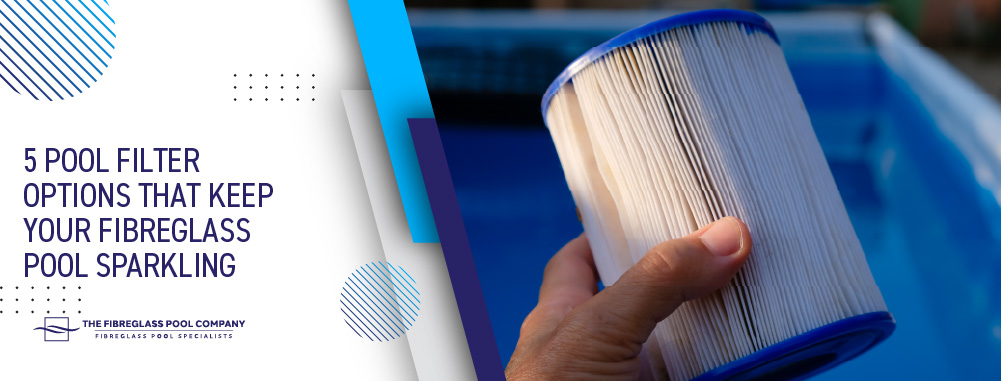
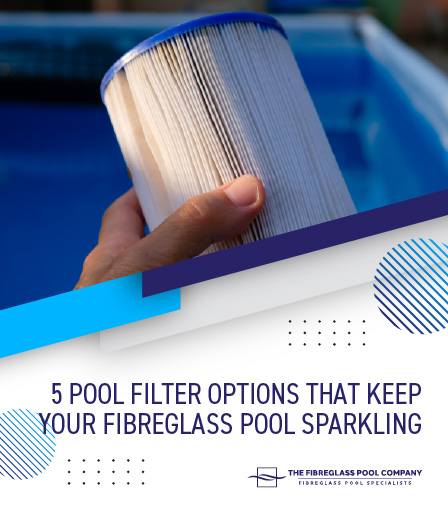
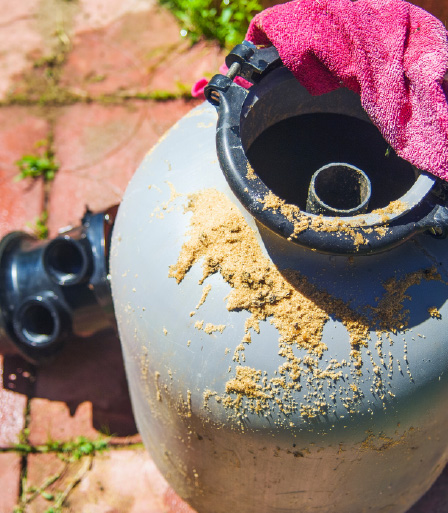
Your fibreglass pool needs the right filter to stay clean, safe, and sparkling all year round. With so many options available, it can be tricky to know which system will work best for your backyard. Each filter type has its own strengths and drawbacks, and choosing the right one depends on your pool size, how often you swim, and how much time you want to spend on maintenance. Here are five of the most effective pool filter options explained in detail, so you can make the best choice for your lifestyle.

5 Pool Filter Options That Keep Your Fibreglass Pool Sparkling Banner
5 Pool Filter Options That Keep Your Fibreglass Pool Sparkling Mobile Banner

Choosing The Right Filter For Your Fibreglass Pool

Every pool is different, and so are the needs of pool owners. The right filter doesn’t just keep your water looking clear — it helps keep your swimming environment healthy and reduces the amount of chemicals you need to add. Some systems are low maintenance and cost-effective, while others provide exceptional clarity but require more frequent attention. By understanding the differences, you can match a filter to your habits, budget, and long-term expectations. Making the right choice now will save you hours of frustration and give you more time to enjoy your pool.

Cartridge Pool Filters

Cartridge filters are a popular choice because they’re simple, effective, and relatively affordable. Instead of sand or media, they use a pleated cartridge element to trap dirt, oils, and debris as water passes through.

One of the biggest advantages is that cartridge filters don’t require backwashing. That means you’ll save water and reduce waste compared to some other systems. Cleaning usually involves removing the cartridge, rinsing it with a hose, and reinstalling it — a process that only takes a few minutes once you get the hang of it. Cartridges will need replacing eventually, but how often depends on how much you use your pool and how well you maintain it.

If you want a filter that delivers excellent water clarity with straightforward upkeep, a cartridge filter is a reliable choice. It’s also a great option if your backyard doesn’t have a lot of space, as these filters are compact and easy to fit alongside your pool equipment.

Sand Pool Filters

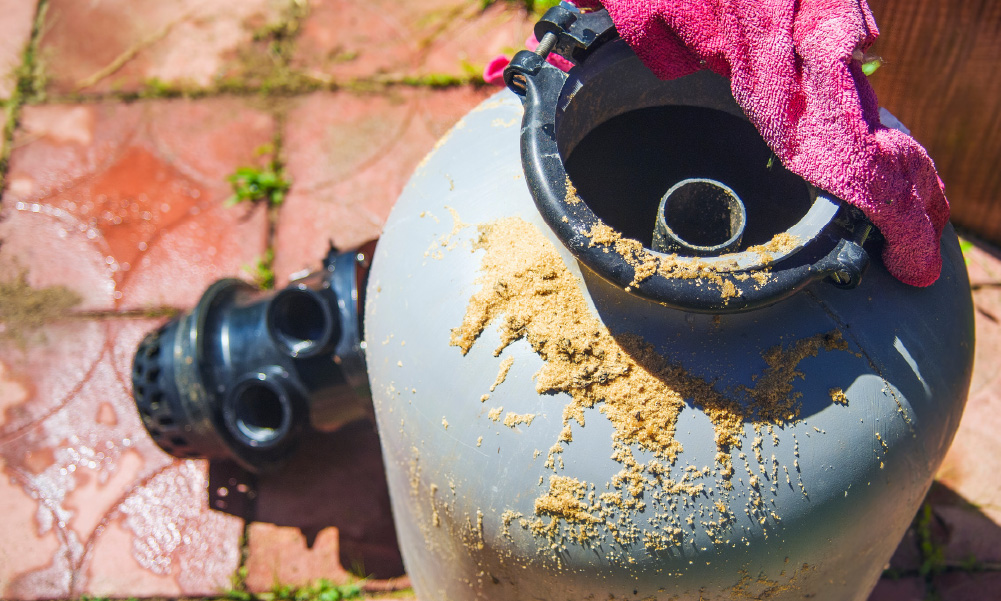
Sand filters have been used for decades, and they’re still one of the most trusted systems around. They work by pushing water through a bed of specially graded sand. The sand traps dirt and debris, while clean water is sent back into the pool.

Sand filters are tough and long-lasting, often running for many years with minimal issues. They don’t require much day-to-day attention — when the pressure gauge rises, you simply backwash the filter to clean it. This process involves flushing water backwards through the system, washing out trapped particles.

The main drawback is that sand filters may not catch the finest particles, so the water may not look quite as crystal-clear as it would with other systems. Still, they’re an excellent option if you want a dependable, low-effort filter that works well for medium to large pools. Many pool owners choose sand filters because of their durability and ease of use, especially if sparkling water clarity isn’t their absolute top priority.

5 Pool Filter Options That Keep Your Fibreglass Pool Sparkling Blog Image 1
5 Pool Filter Options That Keep Your Fibreglass Pool Sparkling Mobile Blog Image 1

Glass Media Pool Filters

Glass media filters are a modern upgrade to traditional sand filters. Instead of sand, they use crushed recycled glass as the filtration medium. This material has a smoother surface, which reduces clumping and improves the way particles are trapped.

One of the biggest benefits is efficiency. Glass filters can trap smaller particles than sand, giving you noticeably clearer water. They also resist bacterial growth better, which means fewer unpleasant odours or slimy build-up inside the filter. Because they don’t need to be backwashed as often, they use less water and save you time on maintenance.

While glass media filters cost more to set up, the savings add up over time because the glass lasts longer than sand. If you’re looking for a balance between strong performance, eco-friendly operation, and less ongoing work, a glass filter is an excellent investment. Many pool owners choose this option when upgrading from a sand filter to improve both water quality and ease of care.

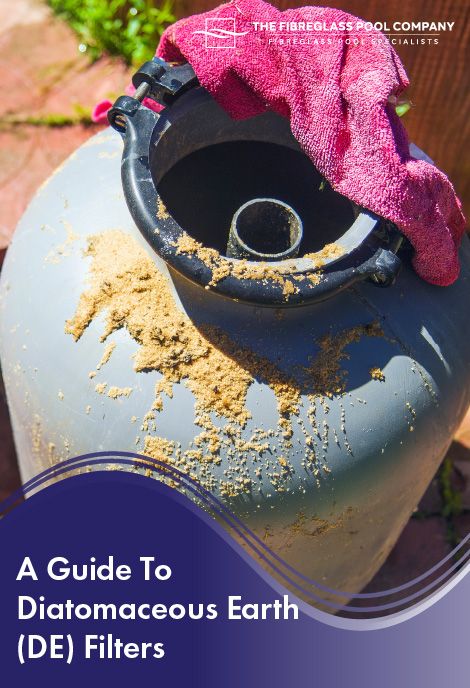
Diatomaceous Earth (DE) Pool Filters

If you want the clearest water possible, DE filters are hard to beat. They use a fine powder made from fossilised algae to coat internal grids, creating a porous surface that traps even the tiniest particles. The result is water that looks sparkling and feels silky smooth.

DE filters are especially good if you’re sensitive to water quality or you simply prefer the highest level of clarity. However, they do require more hands-on maintenance. After each backwash, you need to add fresh DE powder to keep the filter working properly. The powder must also be handled carefully, as it’s a fine substance best managed with protective equipment.

Despite the extra steps, many pool owners feel the results are worth it. If you value pristine water and don’t mind a bit of extra effort, a DE filter might be the perfect fit for your fibreglass pool.

5 Pool Filter Options That Keep Your Fibreglass Pool Sparkling Blog Image 2
5 Pool Filter Options That Keep Your Fibreglass Pool Sparkling Mobile Blog Image 2

Combination Pool Filters

Some systems combine different types of filtration to deliver the best results. For example, a cartridge filter may be paired with a media filter to capture both large debris and microscopic particles. These hybrid systems are designed to minimise maintenance while maximising water clarity.

Combination filters can cost more upfront, but the payoff comes in convenience and long-term water quality. You’ll often find yourself spending less time cleaning and balancing chemicals because the filter system is doing a thorough job on its own. For busy families who want consistently sparkling water without the hassle, a combination filter can be a smart investment.

They’re particularly useful for pools that see heavy use, such as those used by kids every day in summer or households that frequently entertain guests. The added efficiency helps the system keep up with high demand, leaving you free to enjoy the water rather than worry about its condition.

So What Filter Should You Use?

The right filter is the key to keeping your fibreglass pool looking beautiful and feeling safe. Cartridge, sand, glass, DE, and combination filters all offer different benefits, and the best choice depends on how you use your pool and how much maintenance you’re willing to do.

At The Fibreglass Pool Company, we’ve been helping Australians enjoy clean, sparkling pools for over 30 years. Our team can explain each option in detail and guide you towards the filter that suits your lifestyle best. Don’t let poor filtration spoil your pool experience — contact us today and take action to keep your pool crystal clear. The sooner you choose the right filter, the sooner you’ll enjoy water that’s healthy, inviting, and ready for every swim.

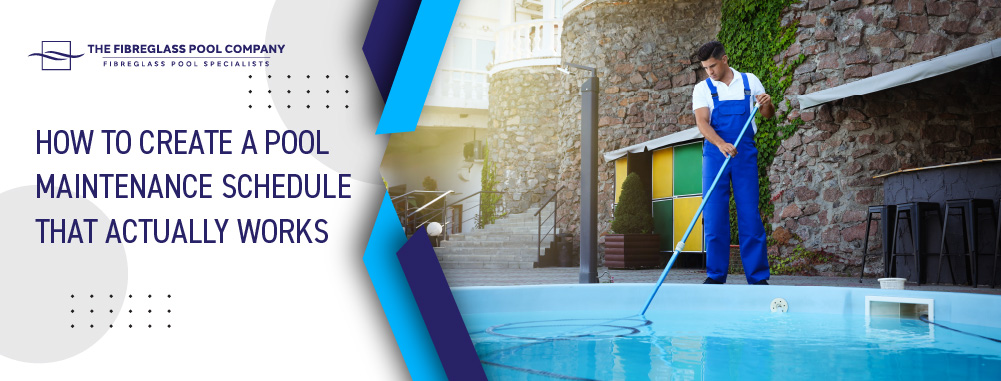
A practical pool maintenance schedule keeps your water clean, safe, and sparkling all year round. By setting a routine for cleaning, chemical balancing, and equipment checks, you can prevent costly repairs and ensure your pool is always ready for a swim. A clear schedule reduces stress, saves time, and prolongs the life of your pool and filtration system.

how-to-create-a-pool-maintenance-schedule-that-actually-works-banner
how-to-create-a-pool-maintenance-schedule-that-actually-works-banner-m

Why You Need a Pool Maintenance Schedule

Regular maintenance is the key to enjoying a healthy, beautiful pool. Without a proper schedule, issues such as cloudy water, algae growth, and equipment wear can develop quickly.

  • Prevent Chemical Imbalance: Consistent testing and treatment avoids unsafe swimming conditions.
  • Extend Equipment Lifespan: Pumps, filters, and heaters last longer when maintained regularly.
  • Save Time and Money: A proactive approach reduces emergency fixes and expensive repairs.

A structured pool maintenance schedule gives homeowners peace of mind and ensures the pool is always ready to enjoy.

Weekly Pool Maintenance Tasks

Weekly tasks form the backbone of any effective pool maintenance schedule. These actions keep water clean, clear, and chemically balanced.

Skimming and Debris Removal

Remove leaves, hair, insects, and other debris from the water surface using a skimmer net. This prevents debris from sinking and clogging your pool filter.

  • Skim daily or at least every other day for heavily used pools.
  • Empty skimmer baskets weekly to maintain water flow.

Checking and Adjusting Chemical Levels

Test and balance your pool chemicals weekly. Key measures include:

  • Chlorine or Sanitiser Levels: Maintain a safe range to kill bacteria and algae.
  • pH Levels: Keep between 7.2 and 7.6 to prevent skin irritation and scaling.
  • Alkalinity and Calcium Hardness: Stabilise water to protect surfaces and equipment.

Using a reliable pool test kit or digital tester ensures accurate readings.

Brushing and Vacuuming

Brushing pool walls, steps, and corners removes algae and dirt that can accumulate in less visible areas. Vacuuming the pool floor prevents debris from settling and reduces strain on your filtration system.

  • Brush walls weekly.
  • Vacuum manually or with an automatic cleaner depending on pool size.

Monthly Pool Maintenance Tasks

Monthly tasks help address deeper maintenance issues that weekly routines may miss.

Filter Inspection and Cleaning

Check your pool filter for dirt and debris. Depending on the type of filter, monthly care may include:

  • Sand Filters: Backwash as needed.
  • Cartridge Filters: Remove and rinse cartridges.
  • DE Filters: Inspect grids and replace DE powder.

Equipment Checks

Inspect pumps, heaters, and chlorinators for proper operation. Look for leaks, unusual noises, or pressure changes that could indicate problems. Early detection prevents costly repairs.

how-to-create-a-pool-maintenance-schedule-that-actually-works-blogimage1
how-to-create-a-pool-maintenance-schedule-that-actually-works-blogimage1-m

Shock Treatment

Shock your pool monthly to remove contaminants that regular chlorination might not address. This is especially important after heavy use or storms.

Seasonal Pool Maintenance

Seasonal maintenance aligns your schedule with changes in weather, pool usage, and water chemistry.

Summer Maintenance

During peak swimming season:

  • Test chemical levels more frequently, ideally twice weekly.
  • Skim, vacuum, and brush daily in busy pools.
  • Monitor water temperature and top up water lost to evaporation.

Winter Maintenance

In cooler months, focus on protecting equipment and reducing algae growth:

  • Reduce pump and filtration runtime, but maintain circulation.
  • Keep the pool covered when not in use to prevent debris accumulation.
  • Lower chemical dosages, but maintain pH and sanitizer balance.

Pre-Season Opening

When reopening your pool after winter:

  • Remove covers and debris.
  • Rebalance water chemistry.
  • Inspect all equipment and perform any necessary repairs.
  • Shock the pool to remove algae and contaminants.

End-of-Season Closing

Proper pool closing prolongs equipment life and prevents water quality issues:

  • Clean and vacuum thoroughly.
  • Lower water levels if needed.
  • Winterise pumps, heaters, and filters.
  • Add algaecide and stabiliser before covering.

Creating Your Personalised Pool Maintenance Schedule

Every pool is different, so customise your schedule based on your pool type, usage, and local conditions.

Step 1: Assess Your Pool

Step 2: Plan Weekly Tasks

Assign days for skimming, brushing, vacuuming, and chemical checks. Keeping a checklist can simplify maintenance and prevent tasks from being overlooked.

how-to-create-a-pool-maintenance-schedule-that-actually-works-blogimage2
how-to-create-a-pool-maintenance-schedule-that-actually-works-blogimage2-m

Step 3: Plan Monthly Tasks

Set reminders for filter inspections, shock treatments, and equipment checks. Digital calendars or pool maintenance apps can help stay organised.

Step 4: Include Seasonal Adjustments

Adjust maintenance frequency and procedures according to summer, winter, and transitional periods. Consider more frequent chemical checks in hot weather or after heavy rainfall.

Step 5: Track and Review

Maintain a log of chemical levels, filter cleaning, and any repairs. Tracking your pool’s history helps identify patterns and prevent recurring problems.

Tips for Making Your Pool Maintenance Schedule Work

A schedule only works if it is realistic and easy to follow.

  • Consistency is Key: Stick to the plan; skipping tasks can compound issues.
  • Use Tools and Technology: Automatic cleaners, timers, and apps simplify the routine.
  • Delegate Tasks: Share duties among family members or hire professional help for complex maintenance.
  • Stay Educated: Pool technology and chemicals evolve; keeping up-to-date helps maintain water quality.

By implementing these tips, maintaining a pool becomes a manageable and even enjoyable task.

Benefits of a Well-Planned Pool Maintenance Schedule

  • Cleaner Water: Reduces algae, bacteria, and debris accumulation.
  • Safer Swimming: Proper chemical balance prevents irritation and infections.
  • Longer Equipment Life: Regular cleaning and inspections reduce wear and tear.
  • Cost Savings: Preventative maintenance avoids expensive repairs or premature equipment replacement.
  • Less Stress: Clear tasks and a set routine simplify pool care.

Common Mistakes to Avoid

Even with a schedule, some pitfalls can undermine pool maintenance:

  • Ignoring Seasonal Adjustments: Summer and winter have different requirements.
  • Skipping Chemical Checks: Small imbalances can lead to cloudy water or equipment damage.
  • Neglecting Filters: Clogged filters reduce circulation and can strain pumps.
  • Overcomplicating the Routine: A complicated schedule can be difficult to follow consistently.

Avoiding these mistakes ensures your pool maintenance schedule remains effective and practical.

Conclusion

Creating a pool maintenance schedule that actually works involves planning weekly, monthly, and seasonal tasks. From skimming and chemical balancing to filter care and equipment checks, consistency is key. A well-structured routine prevents problems, saves time and money, and keeps your pool sparkling and inviting year-round.

By assessing your pool, customising your schedule, and staying disciplined with regular maintenance, you can enjoy worry-free swimming without unexpected repairs or chemical issues. With a simple yet comprehensive plan, pool ownership becomes easier, more enjoyable, and highly rewarding.

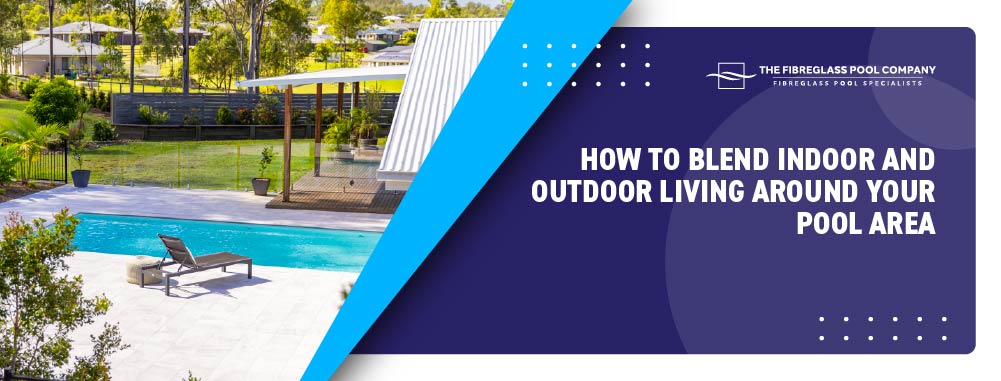
Blending indoor and outdoor living around your pool area means creating a seamless connection between home and garden. This can be achieved through open-plan layouts, matching materials, and clever use of lighting, shade, and flow. The result is a cohesive space that feels larger, more luxurious, and perfect for both entertaining and relaxation.

How To Blend Indoor And Outdoor Living Around Your Pool Area Banner
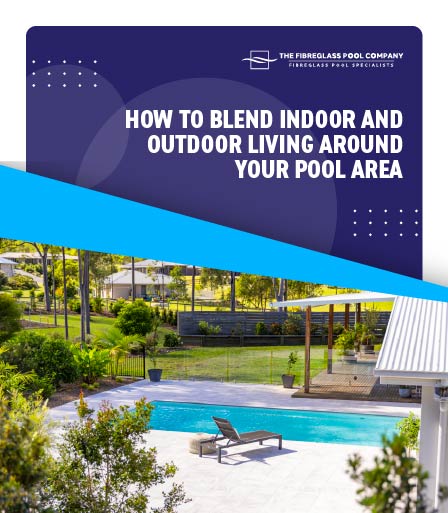
How To Blend Indoor And Outdoor Living Around Your Pool Area Mobile Banner

Why Indoor-Outdoor Flow Matters in Poolside Design

In Australian homes, where warm weather invites year-round alfresco living, the line between indoor and outdoor is becoming more flexible than ever. Nowhere is this more important than around your pool area, where social zones, relaxation spaces and family-friendly design come together.

A well-integrated layout makes your home feel more spacious, improves the usability of outdoor areas, and boosts your overall lifestyle. Whether you’re working with a compact courtyard or a larger block, the goal is the same — create a poolside living area that feels like a natural extension of your home.

Start With Layout: Create a Logical Connection

Open the Living Area Toward the Pool

The first step in blending spaces is making sure your indoor living areas open directly onto the pool zone. Consider:

  • Installing stacking, bifold or sliding glass doors


  • Raising or levelling the floor height for a smooth transition


  • Orienting furniture to face out toward the garden

This kind of layout draws the eye outside and makes it easier to move between indoors and out — especially handy during gatherings, family weekends, or pool parties.

Use Consistent Materials for a Seamless Look

Match Flooring and Finishes

Visual consistency helps small spaces feel larger and more unified. One of the most effective tricks is to use the same or similar flooring materials both inside and out.

Some great options include:

  • Porcelain pavers with indoor-outdoor versions
  • Timber or timber-look decking continued from the living room to the alfresco
  • Polished concrete with non-slip outdoor sealants

Also consider carrying through your colour palette from inside — whether it’s neutral stone, warm timbers, or bold blacks and greys. These details tie the whole space together.

Choose Outdoor Furniture That Complements Indoors

Match Style, Not Just Purpose

Your poolside furniture doesn’t need to be identical to your indoor pieces — but it should feel like it belongs in the same home. Think about:

  • Materials: timber, rattan, aluminium, or outdoor upholstery
  • Colours: match to walls, joinery, or feature decor
  • Style: keep a consistent aesthetic (e.g. coastal, Hamptons, modern, industrial)

High-quality outdoor lounges, modular seating, and dining tables now offer indoor-level comfort with full weather protection. The result? You can lounge by the pool just like you would in the living room.

how-to-blend-indoor-and-outdoor-living-around-your-pool-area-blogimage1-m

Extend the Roofline or Add Covered Zones

Provide Shelter Without Separation

Blending indoor and outdoor living around the pool is easier when there’s shade and cover that connects the two zones. Think:

  • Pergolas, breezeways, or louvre roofs
  • Retractable awnings that provide flexible cover
  • A roofline extension from the main house over the patio or alfresco area

These structures let you use the pool area all year round — even in rain or harsh sun — and they visually continue your indoor ceilings out into the garden.

Add Outdoor Kitchens or BBQ Zones Near the Pool

Cook, Eat and Entertain Without Going Inside

A key part of indoor-outdoor living is functionality. Including a built-in BBQ, outdoor kitchen, or even a drink station near your pool adds convenience and keeps everyone together.

Incorporate:

  • Built-in benchtops or cabinetry


  • Outdoor-rated fridges and sinks


  • Lighting, power points, and ventilation

Having somewhere to prep food or mix a drink without ducking indoors helps your pool area feel like a true extension of the home — not a separate backyard zone.

Lighting Ties the Space Together at Night

Use Layered Lighting Across Zones

At night, lighting plays a huge role in blending your indoor and outdoor living spaces. To avoid a jarring transition between zones, aim for a soft, even glow using:

  • Warm white LED lighting in both areas
  • Downlights or wall lights for ambient glow
  • Path and step lights for movement
  • Feature lighting for trees, water walls or architectural features

Lighting consistency means you won’t feel like you’ve stepped into a different space — and it adds safety for night-time swimming or entertaining.

Use Glass Pool Fencing for Visibility and Flow

Keep the Space Open Without Losing Safety

If your pool is directly adjacent to the house or patio, frameless glass pool fencing is the best choice for uninterrupted flow. It allows:

  • Full visual connection between indoors and pool
  • An open, expansive feel — even in small backyards
  • Compliance with Australian pool safety standards

Clear sightlines also make it easier to supervise kids in the pool without feeling separated from the action indoors.

how-to-blend-indoor-and-outdoor-living-around-your-pool-area-blogimage2-m

Incorporate Greenery Into Both Spaces

Bring the Garden Indoors — and the Indoors Out

To reinforce the connection between your home and poolside area, introduce plants and natural elements that appear in both zones. Try:

  • Repeating the same planter style or pot colour 
  • Including indoor palms or ferns to match outdoor landscaping 
  • Using vertical gardens or climbers along poolside walls

Plants soften the transition between hard surfaces and add a resort-style feel. This trick works well for courtyard pools, where walls can dominate the space.

Smart Design Ideas for Compact Pool Areas

Even with limited space, you can achieve seamless indoor-outdoor flow by:

  • Installing corner windows or sliding doors from multiple rooms

  • Using mirror panels or reflective tiles to bounce light and space

  • Adding a bench seat or daybed that straddles the indoor-outdoor divide

  • Choosing neutral tones that don’t overwhelm compact areas

It’s all about maximising visual connection and minimising separation — even with smaller pool footprints.

Create Zones Without Cutting Flow

Use Levels, Rugs or Lighting Instead of Walls

You don’t need to physically divide the space to create function. Instead of building solid walls, try:

  • Stepping up or down to subtly zone dining, lounging, or swimming

  • Using outdoor rugs or tiles to define spaces

  • Lighting different areas with distinct brightness or style

These soft divisions allow you to shape activity zones without disrupting your indoor-outdoor lifestyle or blocking views.

Make the Pool the Focal Point

Design Around the Water Feature

If you’re investing in a pool, make it a feature — not an afterthought. With the right positioning, lighting, and landscaping, your swimming pool becomes the centrepiece of your indoor-outdoor design.

  • Position the pool where it’s visible from the kitchen or main living area


  • Install feature lighting or a water blade for night-time impact


  • Add surrounding seating or steps to encourage poolside activity

This keeps the space social, practical, and connected — morning, noon, or night.

Even if your pool chemistry looks spot on, cloudy water can still be an issue. Factors like poor filtration, circulation problems, or microscopic contaminants often cause cloudiness even when chlorine and pH levels appear balanced. Understanding how these elements interact is key to keeping your pool water clear and inviting.

why-your-pool-might-still-be-cloudy-even-if-the-chemistry-looks-right-banner
why-your-pool-might-still-be-cloudy-even-if-the-chemistry-looks-right-banner-mobile

When Pool Chemistry Isn’t the Only Problem

Clear water is the ultimate goal of pool maintenance, but sometimes, even with ideal test strip results, the water remains cloudy. It’s frustrating—especially after you’ve carefully balanced chlorine, pH, alkalinity and calcium hardness. But there’s more to pool clarity than just chemical levels. Let’s break down the possible causes of cloudy water and how to fix them.

Common Causes of Cloudy Pool Water (That Aren’t Chemistry)

1. Inadequate Filtration

A well-functioning filtration system is just as important as pool chemistry. If your filter isn’t running long enough or isn’t powerful enough for your pool size, debris and fine particles can hang around and make the water look cloudy.

  • Cartridge filters need regular rinsing and occasional replacement.
  • Sand filters can become less effective over time and may require backwashing or sand replacement.
  • DE filters provide the finest filtration but must be maintained properly.

Tip: Run your filter for 8–12 hours a day during swimming season to give it time to catch all the small particles.

2. Poor Circulation

Even if the pool pump is working, dead spots—areas where water doesn’t circulate properly—can lead to cloudiness. Corners, steps, and behind ladders are common problem areas.

Check your return jets and ensure they’re angled downwards and slightly towards each other to create a circular water flow. This helps disperse chemicals evenly and keeps particles moving toward the filter.

3. High Total Dissolved Solids (TDS)

Total Dissolved Solids (TDS) refer to all organic and inorganic materials dissolved in your pool water. Over time, these can build up, particularly if you’ve had the same water for a few years.

High TDS can interfere with chlorine effectiveness, making it harder to keep the water clear even if the pool chemical balance looks right.

Solution: In some cases, the best fix is partially draining and refilling your pool with fresh water.

why-your-pool-might-still-be-cloudy-even-if-the-chemistry-looks-right-blogimage1

4. Environmental Contaminants

If your pool is located near trees, construction sites, or in a windy area, debris, pollen, dust, and even sunscreen can quickly cloud the water. Even with perfect pool chemistry, these tiny particles might be too small for your filter to catch—especially if you’re not using a clarifier.

  • Pollen and dust storms are common culprits in Australia’s warmer months.
  • Excess body oils, cosmetics, and lotions also contribute to water cloudiness.

Quick Fix: Use a pool clarifier or flocculant to bind tiny particles together so your filter can remove them.

Testing Might Be Misleading

1. Test Strips vs Liquid Test Kits

Not all pool testing methods are created equal. Test strips are convenient, but they can be less accurate than liquid drop kits or digital testers.

  • Test strips may miss slight imbalances in pH or calcium that lead to cloudiness.
  • Liquid kits provide a more detailed look at levels like cyanuric acid, which can affect chlorine efficiency.

Tip: If your pool water looks cloudy despite good strip readings, double-check with a more precise test method.

2. Residual Chlorine vs Free Chlorine

You might see “normal” chlorine levels on your test—but what kind of chlorine is actually in the water?

  • Free chlorine actively sanitises your pool.
  • Combined chlorine (also known as chloramines) is used up and ineffective, yet still shows up in some tests.

If your pool smells strongly of chlorine but looks cloudy, you might have high combined chlorine and not enough free chlorine.

Fix: A chlorine shock (or superchlorination) will break down the chloramines and restore clarity.

Hidden Issues With Water Balance

1. High Calcium Hardness

Too much calcium in the water can cause calcium scale, which makes water look hazy or milky. This is especially common in areas with hard tap water.

  • Ideal calcium hardness: 200–400 ppm
  • Over 400 ppm can lead to cloudy water, scaling, and damage to surfaces

Solution: You may need to dilute the pool water or use a scale inhibitor.

why-your-pool-might-still-be-cloudy-even-if-the-chemistry-looks-right-blogimage2
why-your-pool-might-still-be-cloudy-even-if-the-chemistry-looks-right-blogimage2-m

2. Incorrect pH or Total Alkalinity Balance

Even small imbalances in pH and alkalinity can cause cloudiness. For example:

  • High pH causes calcium to fall out of solution and cloud the water.
  • Low alkalinity leads to pH instability, making it harder to maintain balance.

Recommended ranges:

  • pH: 7.4–7.6
  • Total Alkalinity: 80–120 ppm

Use acid or buffer as needed to fine-tune your levels.

Prevention Is Easier Than a Fix

1. Stick to a Maintenance Schedule

  • Skim daily to remove surface debris
  • Vacuum weekly or as needed
  • Brush walls to dislodge particles and prevent algae
  • Clean filters regularly and check water level

This prevents particles from building up and keeps your filtration system running efficiently.

2. Use a Pool Clarifier Proactively

A clarifier helps tiny particles clump together so your filter can catch them. It’s especially useful after storms, parties, or heavy pool use. Just make sure your filter is clean first—it won’t work well with a clogged system.

3. Shock the Pool After Heavy Use

Extra swimmers, sunscreen, and organic matter can overwhelm chlorine levels. Shock your pool after:

  • A pool party
  • A storm
  • Extended hot weather
  • Noticing a chlorine smell or cloudy water

Use a chlorine shock or non-chlorine oxidiser depending on your pool setup.

When To Call In a Pro

If you’ve tried all of the above and your pool is still cloudy, it might be time to bring in a professional. A qualified pool technician can perform:

  • A full water analysis
  • Equipment checks (pump pressure, filter function, return flow)
  • A deep clean or chemical overhaul

Professional help ensures no hidden issues—like a malfunctioning chlorinator or clogged pipes—are being missed.

Even perfect pool chemistry isn’t always enough to guarantee crystal-clear water. Filtration, circulation, and environmental factors all play a role in keeping your pool sparkling. Regular maintenance and a bit of troubleshooting can save you time, money, and headaches in the long run.

As we welcome 2025, many pool owners are eager to ensure their pools remain pristine throughout the year. A crystal-clear pool not only enhances the beauty of your backyard but also provides a safe and inviting environment for family and friends. At The Fibreglass Pool Company, we believe that maintaining clear water is essential for enjoyable swims and overall pool health. Here are some practical tips to help you achieve sparkling, clean water all year round:

new-year-clear-water-how-to-keep-your-pool-crystal-clear-in-2025-banner

1. Regular Water Testing

Testing your pool water regularly is crucial for maintaining chemical balance. Use a reliable testing kit to check the pH, chlorine levels, and alkalinity at least once a week. This will help you identify any imbalances and make necessary adjustments, ensuring your water remains safe for swimming. Consider keeping a log of your test results to track changes and patterns over time.

2. Consistent Filtration

Ensure your pool’s filtration system runs efficiently. Aim to filter your pool water for at least 8-12 hours a day, especially during peak usage times. Clean or replace your filter cartridges regularly to prevent clogging and maintain optimal water clarity. Additionally, inspect your pump for any signs of wear or malfunction to avoid unexpected issues.

3. Skim and Brush Frequently

Regularly skimming debris, leaves, and insects from the surface of your pool keeps your water clear and prevents buildup on the pool floor. Brushing the walls and floor of your pool helps remove dirt and algae, keeping surfaces smooth and inviting. For best results, create a cleaning schedule that includes both skimming and brushing to ensure consistency.

4. Shock the Pool

Shocking your pool once a month, or after heavy usage, helps eliminate contaminants and restore water clarity. Use a quality pool shock product to quickly raise chlorine levels, effectively killing bacteria and algae that can cloud your water. Be sure to follow the manufacturer’s instructions and allow the pool to circulate before swimming.

new-year-clear-water-how-to-keep-your-pool-crystal-clear-in-2025-blogimage1

5. Maintain Water Levels

Keep an eye on your pool’s water level, especially after heavy rains or evaporation. Low water levels can disrupt your filtration system’s effectiveness. If needed, top up your pool to ensure optimal functioning. Monitoring water levels is particularly important during dry spells when evaporation rates can increase.

6. Invest in Pool Covers

Using a pool cover when your pool is not in use can help keep debris out and reduce the need for cleaning. This not only saves time but also helps maintain water temperature, which can be beneficial during cooler months. Choosing a cover that allows for easy access while still providing protection is essential for convenience.

7. Algae Prevention

Preventing algae growth is key to keeping your pool clear. Regularly use algaecide as a preventive measure and ensure your pool’s chlorine levels are consistently maintained. If you notice any algae forming, act quickly to treat it before it spreads. Keeping your pool’s water moving can also help deter algae growth, as stagnant water is more prone to algae blooms.

new-year-clear-water-how-to-keep-your-pool-crystal-clear-in-2025blogimage2

8. Keep Pool Surroundings Clean

The area around your pool plays a significant role in maintaining water clarity. Regularly sweep up leaves, dirt, and other debris from the deck to minimise what can fall into the pool. Encourage family and friends to follow your poolside rules regarding food and drinks to reduce waste around the water.

9. Monitor Pool Equipment

Take the time to inspect your pool equipment regularly, including the pump, filter, and skimmer. Ensuring everything is in good working condition will help maintain clarity and prevent larger issues down the line. Don’t hesitate to call a professional if you notice any unusual sounds or reduced efficiency.

10. Professional Maintenance

If maintaining your pool seems overwhelming, consider hiring professionals for routine maintenance. A pool service can help with water testing, chemical balancing, and equipment checks, ensuring your pool remains in top condition year-round. Investing in professional help can save you time and ensure your pool stays crystal clear.

By following these tips, you can enjoy a crystal-clear pool that enhances your outdoor space and provides endless enjoyment for you and your loved ones. We’re here to support you in your pool maintenance journey. Let’s make 2025 a year of clear water and fun in the sun!

As we welcome 2025, many pool owners are eager to ensure their pools remain pristine throughout the year. A crystal-clear pool not only enhances the beauty of your backyard but also provides a safe and inviting environment for family and friends. At The Fibreglass Pool Company, we believe that maintaining clear water is essential for enjoyable swims and overall pool health. Here are some practical tips to help you achieve sparkling, clean water all year round:

new-year-clear-water-how-to-keep-your-pool-crystal-clear-in-2025-banner-m

1. Regular Water Testing

Testing your pool water regularly is crucial for maintaining chemical balance. Use a reliable testing kit to check the pH, chlorine levels, and alkalinity at least once a week. This will help you identify any imbalances and make necessary adjustments, ensuring your water remains safe for swimming. Consider keeping a log of your test results to track changes and patterns over time.

2. Consistent Filtration

Ensure your pool’s filtration system runs efficiently. Aim to filter your pool water for at least 8-12 hours a day, especially during peak usage times. Clean or replace your filter cartridges regularly to prevent clogging and maintain optimal water clarity. Additionally, inspect your pump for any signs of wear or malfunction to avoid unexpected issues.

3. Skim and Brush Frequently

Regularly skimming debris, leaves, and insects from the surface of your pool keeps your water clear and prevents buildup on the pool floor. Brushing the walls and floor of your pool helps remove dirt and algae, keeping surfaces smooth and inviting. For best results, create a cleaning schedule that includes both skimming and brushing to ensure consistency.

new-year-clear-water-how-to-keep-your-pool-crystal-clear-in-2025blogimage1-m

4. Shock the Pool

Shocking your pool once a month, or after heavy usage, helps eliminate contaminants and restore water clarity. Use a quality pool shock product to quickly raise chlorine levels, effectively killing bacteria and algae that can cloud your water. Be sure to follow the manufacturer’s instructions and allow the pool to circulate before swimming.

5. Maintain Water Levels

Keep an eye on your pool’s water level, especially after heavy rains or evaporation. Low water levels can disrupt your filtration system’s effectiveness. If needed, top up your pool to ensure optimal functioning. Monitoring water levels is particularly important during dry spells when evaporation rates can increase.

6. Invest in Pool Covers

Using a pool cover when your pool is not in use can help keep debris out and reduce the need for cleaning. This not only saves time but also helps maintain water temperature, which can be beneficial during cooler months. Choosing a cover that allows for easy access while still providing protection is essential for convenience.

7. Algae Prevention

Preventing algae growth is key to keeping your pool clear. Regularly use algaecide as a preventive measure and ensure your pool’s chlorine levels are consistently maintained. If you notice any algae forming, act quickly to treat it before it spreads. Keeping your pool’s water moving can also help deter algae growth, as stagnant water is more prone to algae blooms.

new-year-clear-water-how-to-keep-your-pool-crystal-clear-in-2025-blogimage2-m

8. Keep Pool Surroundings Clean

The area around your pool plays a significant role in maintaining water clarity. Regularly sweep up leaves, dirt, and other debris from the deck to minimise what can fall into the pool. Encourage family and friends to follow your poolside rules regarding food and drinks to reduce waste around the water.

9. Monitor Pool Equipment

Take the time to inspect your pool equipment regularly, including the pump, filter, and skimmer. Ensuring everything is in good working condition will help maintain clarity and prevent larger issues down the line. Don’t hesitate to call a professional if you notice any unusual sounds or reduced efficiency.

10. Professional Maintenance

If maintaining your pool seems overwhelming, consider hiring professionals for routine maintenance. A pool service can help with water testing, chemical balancing, and equipment checks, ensuring your pool remains in top condition year-round. Investing in professional help can save you time and ensure your pool stays crystal clear.

By following these tips, you can enjoy a crystal-clear pool that enhances your outdoor space and provides endless enjoyment for you and your loved ones. We’re here to support you in your pool maintenance journey. Let’s make 2025 a year of clear water and fun in the sun!

There's nothing quite like lounging by a sparkling, crystal-clear pool on a sunny day. However, for many pool owners, this dream is often marred by the unwelcome appearance of algae. These sneaky invaders can transform your pristine oasis into a murky green swamp, causing frustration and extra work for homeowners. Algae growth in pools isn't just an eyesore; it can also lead to slippery surfaces, clog filters, and create unpleasant odours. In this blog post, we’ll explore a simple and effective solution to tackle poolside algae. Whether you're a new pool owner or someone who's battled algae for years, you'll find valuable tips and insights to keep your pool looking its best.

the-simple-solution-to-poolside-algae-banner

Understanding Algae

The Different Types of Algae

Algae come in various forms, but the most common types that plague pools are green, yellow, and black algae. Green algae are the most prevalent and easiest to get rid of, turning your pool water a vibrant green. Yellow algae, also known as mustard algae, cling to walls and can be more resistant to chlorine. Black algae, the toughest of all, form deep root structures that embed into pool surfaces, making them particularly stubborn.

Causes of Algae Growth

Understanding what causes algae to flourish in your pool is essential to prevent it. Algae thrive in warm, stagnant water with poor circulation and low chlorine levels. Factors such as heavy rainfall, inconsistent pool maintenance, and even swimmers introducing contaminants can contribute to algae growth. Knowing these factors helps in taking preventive measures.

The Impact of Algae

Algae not only make your pool unappealing but also pose safety risks. Slippery surfaces increase the risk of accidents, and clogged filters can reduce circulation, further exacerbating the problem. Additionally, algae can harbour harmful bacteria, posing health risks to swimmers. Addressing algae growth promptly ensures a safer and more enjoyable swimming experience.

The Simple Solution to Poolside Algae

Introducing the Algae Eliminator

The key to conquering poolside algae lies in a simple yet powerful solution: an algae eliminator. This product is designed to target and eliminate algae effectively, without causing harm to your pool’s surfaces or the environment. Unlike traditional methods that rely heavily on chlorine, algae eliminators work by disrupting the algae’s cellular structure, rendering it incapable of reproduction and growth.

Benefits of Using an Algae Eliminator

One of the main benefits of an algae eliminator is its ease of use. It requires minimal effort and provides long-lasting results. Additionally, algae eliminators are formulated to be safe for swimmers and the environment, giving you peace of mind. They also help in preventing future algae outbreaks, keeping your pool sparkling clean with less maintenance.

the-simple-solution-to-poolside-algae-blogimage1

How It Works

Algae eliminators work by releasing active ingredients that target algae cells directly. These ingredients penetrate the algae’s protective layers, disrupt its cellular functions, and ultimately cause its demise. The process is highly effective and works quickly, often showing visible results within a few days.

Step-by-Step Guide: Implementing the Solution

Step 1: Test and Balance Your Pool Water

Before using an algae eliminator, it’s crucial to test your pool water to ensure it’s properly balanced. Use a pool testing kit to check the pH, alkalinity, and chlorine levels. Adjust them as needed to create an optimal environment for the algae eliminator to work effectively.

Step 2: Clean and Brush Your Pool

Remove any visible debris from your pool and brush all surfaces thoroughly to loosen algae. This step ensures that the algae eliminator can reach all affected areas. Pay special attention to areas with poor circulation, such as corners and steps.

Step 3: Apply the Algae Eliminator

Follow the manufacturer’s instructions for the correct dosage and application method. Typically, you’ll need to pour the recommended amount directly into the pool while the pump is running to ensure even distribution. For severe algae infestations, a double dose may be required.

Step 4: Circulate and Filter

Run your pool pump continuously for at least 24 to 48 hours after applying the algae eliminator. This helps circulate the product throughout the pool and ensures it reaches all affected areas. Clean or backwash your filter regularly during this period to remove dead algae.

the-simple-solution-to-poolside-algae-blogimage2

Step 5: Monitor and Maintain

Keep an eye on your pool water and test it regularly to ensure the algae eliminator is working. You should start to see improvements within a few days. Continue with regular maintenance, including brushing and vacuuming, to prevent algae from returning.

Maintenance Tips

Regular Water Testing

Consistent water testing is key to maintaining a healthy pool. Test your water at least once a week, paying close attention to pH, alkalinity, and chlorine levels. Balanced water chemistry prevents algae growth and keeps your pool safe for swimming.

Proper Circulation

Ensure your pool pump and filtration system are running efficiently. Proper circulation is crucial for distributing chemicals evenly and preventing algae from settling in stagnant areas. Run your pump for at least 8 to 12 hours a day, especially during the summer months.

Routine Cleaning

Regular cleaning is essential for algae prevention. Skim the surface, vacuum the pool floor, and brush the walls at least once a week. This removes debris and prevents algae from finding a foothold. Don’t forget to clean your pool filter regularly to maintain optimal performance.

In conclusion, algae can be a persistent and frustrating problem for pool owners, but it doesn’t have to be. Understanding the types of algae and their causes, combined with the use of an effective algae eliminator, can transform your pool into the sparkling oasis you’ve always wanted.

With regular maintenance and the right tools, you can enjoy a clean, safe, and beautiful pool all year round. Remember to test your water regularly, maintain proper circulation, and keep up with routine cleaning to prevent algae from making a comeback.

We invite you to share your experiences and tips for keeping your pool algae-free. Let’s help each other create perfect poolside paradises!

There's nothing quite like lounging by a sparkling, crystal-clear pool on a sunny day. However, for many pool owners, this dream is often marred by the unwelcome appearance of algae. These sneaky invaders can transform your pristine oasis into a murky green swamp, causing frustration and extra work for homeowners. Algae growth in pools isn't just an eyesore; it can also lead to slippery surfaces, clog filters, and create unpleasant odours. In this blog post, we’ll explore a simple and effective solution to tackle poolside algae. Whether you're a new pool owner or someone who's battled algae for years, you'll find valuable tips and insights to keep your pool looking its best.

the-simple-solution-to-poolside-algae-banner-m

Understanding Algae

The Different Types of Algae

Algae come in various forms, but the most common types that plague pools are green, yellow, and black algae. Green algae are the most prevalent and easiest to get rid of, turning your pool water a vibrant green. Yellow algae, also known as mustard algae, cling to walls and can be more resistant to chlorine. Black algae, the toughest of all, form deep root structures that embed into pool surfaces, making them particularly stubborn.

Causes of Algae Growth

Understanding what causes algae to flourish in your pool is essential to prevent it. Algae thrive in warm, stagnant water with poor circulation and low chlorine levels. Factors such as heavy rainfall, inconsistent pool maintenance, and even swimmers introducing contaminants can contribute to algae growth. Knowing these factors helps in taking preventive measures.

The Impact of Algae

Algae not only make your pool unappealing but also pose safety risks. Slippery surfaces increase the risk of accidents, and clogged filters can reduce circulation, further exacerbating the problem. Additionally, algae can harbour harmful bacteria, posing health risks to swimmers. Addressing algae growth promptly ensures a safer and more enjoyable swimming experience.

The Simple Solution to Poolside Algae

Introducing the Algae Eliminator

The key to conquering poolside algae lies in a simple yet powerful solution: an algae eliminator. This product is designed to target and eliminate algae effectively, without causing harm to your pool’s surfaces or the environment. Unlike traditional methods that rely heavily on chlorine, algae eliminators work by disrupting the algae’s cellular structure, rendering it incapable of reproduction and growth.

Benefits of Using an Algae Eliminator

One of the main benefits of an algae eliminator is its ease of use. It requires minimal effort and provides long-lasting results. Additionally, algae eliminators are formulated to be safe for swimmers and the environment, giving you peace of mind. They also help in preventing future algae outbreaks, keeping your pool sparkling clean with less maintenance.

the-simple-solution-to-poolside-algae-blogimage1-m

How It Works

Algae eliminators work by releasing active ingredients that target algae cells directly. These ingredients penetrate the algae’s protective layers, disrupt its cellular functions, and ultimately cause its demise. The process is highly effective and works quickly, often showing visible results within a few days.

Step-by-Step Guide: Implementing the Solution

Step 1: Test and Balance Your Pool Water

Before using an algae eliminator, it’s crucial to test your pool water to ensure it’s properly balanced. Use a pool testing kit to check the pH, alkalinity, and chlorine levels. Adjust them as needed to create an optimal environment for the algae eliminator to work effectively.

Step 2: Clean and Brush Your Pool

Remove any visible debris from your pool and brush all surfaces thoroughly to loosen algae. This step ensures that the algae eliminator can reach all affected areas. Pay special attention to areas with poor circulation, such as corners and steps.

Step 3: Apply the Algae Eliminator

Follow the manufacturer’s instructions for the correct dosage and application method. Typically, you’ll need to pour the recommended amount directly into the pool while the pump is running to ensure even distribution. For severe algae infestations, a double dose may be required.

Step 4: Circulate and Filter

Run your pool pump continuously for at least 24 to 48 hours after applying the algae eliminator. This helps circulate the product throughout the pool and ensures it reaches all affected areas. Clean or backwash your filter regularly during this period to remove dead algae.

the-simple-solution-to-poolside-algae-blogimage2-m

Step 5: Monitor and Maintain

Keep an eye on your pool water and test it regularly to ensure the algae eliminator is working. You should start to see improvements within a few days. Continue with regular maintenance, including brushing and vacuuming, to prevent algae from returning.

Maintenance Tips

Regular Water Testing

Consistent water testing is key to maintaining a healthy pool. Test your water at least once a week, paying close attention to pH, alkalinity, and chlorine levels. Balanced water chemistry prevents algae growth and keeps your pool safe for swimming.

Proper Circulation

Ensure your pool pump and filtration system are running efficiently. Proper circulation is crucial for distributing chemicals evenly and preventing algae from settling in stagnant areas. Run your pump for at least 8 to 12 hours a day, especially during the summer months.

Routine Cleaning

Regular cleaning is essential for algae prevention. Skim the surface, vacuum the pool floor, and brush the walls at least once a week. This removes debris and prevents algae from finding a foothold. Don’t forget to clean your pool filter regularly to maintain optimal performance.

In conclusion, algae can be a persistent and frustrating problem for pool owners, but it doesn’t have to be. Understanding the types of algae and their causes, combined with the use of an effective algae eliminator, can transform your pool into the sparkling oasis you’ve always wanted.

With regular maintenance and the right tools, you can enjoy a clean, safe, and beautiful pool all year round. Remember to test your water regularly, maintain proper circulation, and keep up with routine cleaning to prevent algae from making a comeback.

We invite you to share your experiences and tips for keeping your pool algae-free. Let’s help each other create perfect poolside paradises!

tfpc-view-brochure-cta-m

In this comprehensive guide, we will take you through a step-by-step approach to poolside cleaning routines. By the end of this blog, you’ll be equipped with practical tips and techniques to keep your pool in immaculate condition all year round.

a-step-by-step-guide-to-poolside-cleaning-routines-banner

The Importance of Regular Poolside Maintenance

Step 1: Clearing Debris

The first step in effective pool maintenance is clearing debris. Leaves, twigs, insects, and other debris can quickly accumulate on the pool surface, leading to unsightly and unhygienic conditions. Regularly removing this debris is essential for maintaining water clarity and preventing filter clogs.

Essential Tools for Debris Removal

To efficiently clear debris, you’ll need the right tools. A good-quality net skimmer is indispensable for removing floating debris. Ensure the skimmer has a sturdy handle and a fine mesh net capable of capturing even small particles. Additionally, a reliable pool rake can help gather larger items from the pool’s bottom.

Techniques for Efficient Skimming

Skimming should be performed daily, especially during peak swimming season. Start by skimming the surface, moving methodically from one end of the pool to the other. Use smooth, sweeping motions to gather debris into the skimmer net. For hard-to-reach corners and edges, use the net skimmer to guide debris toward the centre of the pool before collecting it.

Removing Settled Debris

Settled debris on the pool floor requires more effort. Use a pool rake or a vacuum cleaner designed for pools to collect these particles. Regularly empty the collected debris to maintain your cleaning tools’ efficiency.

Step 2: Skimming and Scrubbing

Maintaining a clear water surface and spotless pool walls is essential for aesthetics and hygiene. Regular skimming and scrubbing prevent algae build-up and keep your pool inviting.

Daily Skimming Routine

Daily skimming is a quick task that makes a big impact. Start each day by skimming the pool’s surface to remove debris. This 10-15 minute routine prevents larger issues and reduces the need for extensive cleaning.

Weekly Scrubbing Schedule

Scrubbing the pool walls and floor is a crucial weekly task. Use a pool brush with nylon or stainless steel bristles, depending on your pool’s surface. Start from the top and work down, applying firm pressure to dislodge algae or dirt. Pay extra attention to areas with poor water circulation, as these are prone to algae growth.

Addressing Stains and Algae

For stubborn stains and algae patches, a specialised pool cleaner or algaecide may be necessary. Apply the cleaner directly to the area and scrub thoroughly. Regularly check and treat these spots to maintain a clean and healthy pool.

a-step-by-step-guide-to-poolside-cleaning-routines-blogimage1

Step 3: Filter Maintenance

Your pool’s filter system is essential for maintaining water quality by removing contaminants and particles. Regular filter maintenance keeps your pool clean and safe for swimming.

Types of Pool Filters

There are three main types of pool filters: sand, cartridge, and diatomaceous earth (DE). Each type requires specific upkeep. Sand filters need backwashing, cartridge filters require periodic cleaning or replacement, and DE filters need cleaning and recharging with fresh DE powder.

Weekly Filter Checks

Inspect your filter system every week. Look for damage or wear and tear. Clean or backwash the filter as recommended by the manufacturer. Regular maintenance helps prevent clogs and maintains filtration efficiency.

Deep Cleaning the Filter

Once a month, perform a deep cleaning of your filter system. Remove the filter and clean it thoroughly with a hose or cleaning solution. For cartridge filters, soak them in a filter cleaner to remove oils and debris. Reassemble the filter system and ensure it’s working correctly.

Step 4: Checking and Adjusting Chemical Levels

Maintaining balanced chemical levels is essential for pool safety and water clarity. Proper pool chemistry prevents harmful bacteria and algae growth, ensuring a safe swimming environment.

Understanding Pool Chemicals

The main chemicals used in pool maintenance are chlorine, pH balancers, alkalinity adjusters, and stabilisers. Chlorine kills bacteria and sanitises the water, while pH balancers maintain the correct acidity. Alkalinity adjusters prevent pH swings, and stabilisers protect chlorine from UV breakdown.

Testing Chemical Levels

Test your pool water regularly with a reliable test kit. Check chlorine, pH, and alkalinity at least twice a week. Ideal pH is between 7.2 and 7.6, and chlorine should be 1-3 ppm (parts per million). Adjust as needed to maintain balance.

Adding Chemicals Safely

When adding chemicals, follow manufacturer instructions carefully. Always add chemicals to water, not water to chemicals, to prevent reactions. Distribute chemicals evenly around the pool and let the water circulate for several hours before retesting.

Step 5: Vacuuming

Vacuuming the pool floor is essential for maintaining a clean and inviting pool. This process removes debris and contaminants from the bottom, ensuring a sparkling clean pool.

a-step-by-step-guide-to-poolside-cleaning-routines-blogimage2
Choosing the Right Vacuum

There are three types of pool vacuums: manual, automatic, and robotic. Manual vacuums require your guidance, automatic vacuums move independently, and robotic vacuums offer the most convenience and efficiency but are more expensive.

Weekly Vacuuming Routine

Vacuum the pool floor at least once a week. Attach the vacuum to the pool’s filtration system and submerge it fully. Move the vacuum slowly across the pool floor, overlapping each pass for thorough cleaning. Focus on areas with visible debris or dirt.

Deep Cleaning with a Robotic Vacuum

Robotic vacuums are ideal for deep cleaning the pool floor, walls, and waterline. Schedule your robotic vacuum to run once or twice a week, depending on your pool’s usage and debris levels.

Step 6: Final Tips for Year-Round Pool Maintenance

Maintaining your pool throughout the year involves more than just regular cleaning. Implementing a few additional practices will ensure your pool remains in top condition, regardless of the season.

Seasonal Maintenance

Each season brings unique challenges for pool maintenance. In spring, remove any winter covers and clean the pool thoroughly. Summer requires more frequent cleaning and chemical adjustments due to increased usage. In autumn, focus on removing fallen leaves and preparing the pool for winter. Winterisation involves covering the pool and adding winterising chemicals to prevent algae growth.

Preventative Measures

Preventative measures can save you time and effort in the long run. Install a pool cover to keep debris out when the pool is not in use. Regularly trim nearby trees and bushes to minimise leaf and debris accumulation. Maintain proper water circulation and filtration to prevent stagnant water and algae growth.

Professional Pool Services

Consider hiring a professional pool service for periodic inspections and maintenance. Professionals can identify and address potential issues before they become major problems. Regular inspections ensure your pool equipment is functioning correctly and prolong its lifespan.

The Rewards of a Well-Maintained Pool

Investing time and effort into maintaining your pool will yield lasting rewards, allowing you to fully enjoy the benefits of your backyard oasis. So, grab your cleaning tools, test your water, and dive into a routine that keeps your pool sparkling and inviting for years to come.

In this comprehensive guide, we will take you through a step-by-step approach to poolside cleaning routines. By the end of this blog, you’ll be equipped with practical tips and techniques to keep your pool in immaculate condition all year round.

a-step-by-step-guide-to-poolside-cleaning-routines-banner-m

The Importance of Regular Poolside Maintenance

Step 1: Clearing Debris

The first step in effective pool maintenance is clearing debris. Leaves, twigs, insects, and other debris can quickly accumulate on the pool surface, leading to unsightly and unhygienic conditions. Regularly removing this debris is essential for maintaining water clarity and preventing filter clogs.

Essential Tools for Debris Removal

To efficiently clear debris, you’ll need the right tools. A good-quality net skimmer is indispensable for removing floating debris. Ensure the skimmer has a sturdy handle and a fine mesh net capable of capturing even small particles. Additionally, a reliable pool rake can help gather larger items from the pool’s bottom.

Techniques for Efficient Skimming

Skimming should be performed daily, especially during peak swimming season. Start by skimming the surface, moving methodically from one end of the pool to the other. Use smooth, sweeping motions to gather debris into the skimmer net. For hard-to-reach corners and edges, use the net skimmer to guide debris toward the centre of the pool before collecting it.

Removing Settled Debris

Settled debris on the pool floor requires more effort. Use a pool rake or a vacuum cleaner designed for pools to collect these particles. Regularly empty the collected debris to maintain your cleaning tools’ efficiency.

Step 2: Skimming and Scrubbing

Maintaining a clear water surface and spotless pool walls is essential for aesthetics and hygiene. Regular skimming and scrubbing prevent algae build-up and keep your pool inviting.

Daily Skimming Routine

Daily skimming is a quick task that makes a big impact. Start each day by skimming the pool’s surface to remove debris. This 10-15 minute routine prevents larger issues and reduces the need for extensive cleaning.

Weekly Scrubbing Schedule

Scrubbing the pool walls and floor is a crucial weekly task. Use a pool brush with nylon or stainless steel bristles, depending on your pool’s surface. Start from the top and work down, applying firm pressure to dislodge algae or dirt. Pay extra attention to areas with poor water circulation, as these are prone to algae growth.

Addressing Stains and Algae

For stubborn stains and algae patches, a specialised pool cleaner or algaecide may be necessary. Apply the cleaner directly to the area and scrub thoroughly. Regularly check and treat these spots to maintain a clean and healthy pool.

a-step-by-step-guide-to-poolside-cleaning-routines-blogimage1-m

Step 3: Filter Maintenance

Your pool’s filter system is essential for maintaining water quality by removing contaminants and particles. Regular filter maintenance keeps your pool clean and safe for swimming.

Types of Pool Filters

There are three main types of pool filters: sand, cartridge, and diatomaceous earth (DE). Each type requires specific upkeep. Sand filters need backwashing, cartridge filters require periodic cleaning or replacement, and DE filters need cleaning and recharging with fresh DE powder.

Weekly Filter Checks

Inspect your filter system every week. Look for damage or wear and tear. Clean or backwash the filter as recommended by the manufacturer. Regular maintenance helps prevent clogs and maintains filtration efficiency.

Deep Cleaning the Filter

Once a month, perform a deep cleaning of your filter system. Remove the filter and clean it thoroughly with a hose or cleaning solution. For cartridge filters, soak them in a filter cleaner to remove oils and debris. Reassemble the filter system and ensure it’s working correctly.

Step 4: Checking and Adjusting Chemical Levels

Maintaining balanced chemical levels is essential for pool safety and water clarity. Proper pool chemistry prevents harmful bacteria and algae growth, ensuring a safe swimming environment.

Understanding Pool Chemicals

The main chemicals used in pool maintenance are chlorine, pH balancers, alkalinity adjusters, and stabilisers. Chlorine kills bacteria and sanitises the water, while pH balancers maintain the correct acidity. Alkalinity adjusters prevent pH swings, and stabilisers protect chlorine from UV breakdown.

Testing Chemical Levels

Test your pool water regularly with a reliable test kit. Check chlorine, pH, and alkalinity at least twice a week. Ideal pH is between 7.2 and 7.6, and chlorine should be 1-3 ppm (parts per million). Adjust as needed to maintain balance.

Adding Chemicals Safely

When adding chemicals, follow manufacturer instructions carefully. Always add chemicals to water, not water to chemicals, to prevent reactions. Distribute chemicals evenly around the pool and let the water circulate for several hours before retesting.

Step 5: Vacuuming

Vacuuming the pool floor is essential for maintaining a clean and inviting pool. This process removes debris and contaminants from the bottom, ensuring a sparkling clean pool.

a-step-by-step-guide-to-poolside-cleaning-routines-blogimage2-m
Choosing the Right Vacuum

There are three types of pool vacuums: manual, automatic, and robotic. Manual vacuums require your guidance, automatic vacuums move independently, and robotic vacuums offer the most convenience and efficiency but are more expensive.

Weekly Vacuuming Routine

Vacuum the pool floor at least once a week. Attach the vacuum to the pool’s filtration system and submerge it fully. Move the vacuum slowly across the pool floor, overlapping each pass for thorough cleaning. Focus on areas with visible debris or dirt.

Deep Cleaning with a Robotic Vacuum

Robotic vacuums are ideal for deep cleaning the pool floor, walls, and waterline. Schedule your robotic vacuum to run once or twice a week, depending on your pool’s usage and debris levels.

Step 6: Final Tips for Year-Round Pool Maintenance

Maintaining your pool throughout the year involves more than just regular cleaning. Implementing a few additional practices will ensure your pool remains in top condition, regardless of the season.

Seasonal Maintenance

Each season brings unique challenges for pool maintenance. In spring, remove any winter covers and clean the pool thoroughly. Summer requires more frequent cleaning and chemical adjustments due to increased usage. In autumn, focus on removing fallen leaves and preparing the pool for winter. Winterisation involves covering the pool and adding winterising chemicals to prevent algae growth.

Preventative Measures

Preventative measures can save you time and effort in the long run. Install a pool cover to keep debris out when the pool is not in use. Regularly trim nearby trees and bushes to minimise leaf and debris accumulation. Maintain proper water circulation and filtration to prevent stagnant water and algae growth.

Professional Pool Services

Consider hiring a professional pool service for periodic inspections and maintenance. Professionals can identify and address potential issues before they become major problems. Regular inspections ensure your pool equipment is functioning correctly and prolong its lifespan.

The Rewards of a Well-Maintained Pool

Investing time and effort into maintaining your pool will yield lasting rewards, allowing you to fully enjoy the benefits of your backyard oasis. So, grab your cleaning tools, test your water, and dive into a routine that keeps your pool sparkling and inviting for years to come.

Maintaining a sparkling clean pool can be both satisfying and challenging. One of the most pivotal chores for any pool owner is regular vacuuming to keep the water inviting and hygienic. However, with the myriad of pool vacuums available on the market, it can be overwhelming to select the right one that aligns with your budget and meets your pool's needs. In this comprehensive guide, we will traverse the world of pool vacuums, compare options across various price points, and help you make an informed decision without breaking the bank.

which pool vacuum is the right for your budget banner

Understanding the Types of Pool Vacuums

Manual Pool Vacuums: Ideal for those who don’t mind putting in some elbow grease, manual pool vacuums are the most affordable option. They require physical effort as you push them across the pool’s surfaces.

  • Pros: Lower initial cost, simple to use, no additional energy required for operation.
  • Cons: Time-consuming, requires manual labour, and may not clean as thoroughly as automated options.

Automatic Pool Vacuums: A step up in convenience, automatic pool vacuums operate off the pool’s existing filtration system.

  • Pros: More efficient than manual cleaning, relatively affordable, minimal effort required.
  • Cons: Dependence on pool’s pump and filter, might not handle larger debris well, often less powerful than robotic cleaners.

Robotic Pool Vacuums: These self-contained units are the pinnacle of pool cleaning technology, offering powerful and efficient cleaning with little human intervention.

  • Pros: Superior cleaning capabilities, energy-efficient, operate independently from the pool’s filtration system.
  • Cons: Higher upfront cost, occasional maintenance required, more complex components.

Assessing Your Pool's Needs

Understanding your pool’s particularities is crucial before investing in a vacuum. Consider the size and shape of your pool, the type of debris you usually encounter (leaves, dirt, sand), and how frequently the pool is used. A large pool with substantial foliage around might require a more robust solution than a small, seldom-used plunge pool. Additionally, think about the pool’s surface material, which can impact the type of vacuum that will work best. For example, a pool with a vinyl liner might need a softer, more gentle vacuum to avoid damage. Furthermore, take into account the pool’s filtration system and how it integrates with the vacuum, ensuring compatibility and efficient operation. Balancing all these factors will help you choose the best vacuum to keep your pool clean and inviting.

which pool vacuum is the right for your budget bloggimage1

Pool Vacuums for the Budget-Conscious

For those who are mindful of their purse strings, there are high-quality options that won’t demand a hefty investment. Manual pool vacuums can be quite effective for smaller pools or for those who enjoy the hands-on approach. These vacuums often require some physical effort and time, but they allow for precise cleaning and can be quite rewarding for those who like to personally ensure every corner of their pool is spotless. Look for models with high user ratings for durability and efficiency, as these will last longer and provide a better clean.

Automatic vacuums, on the other hand, are slightly more expensive but offer better convenience. These devices can save you time and effort, making them a popular choice for busy pool owners. When opting for an automatic model, it is crucial to pay attention to the compatibility with your pool’s filter system to ensure smooth operation. Additionally, consider the ease of maintenance, as some models might require more frequent cleaning or part replacements. Automatic vacuums can provide a more consistent clean with minimal effort, making them a worthwhile investment for those willing to spend a bit more.

Mid-Range Pool Vacuums

If you’re able to budget a bit more for comfort and performance, a mid-range automatic or even an entry-level robotic vacuum might be within reach. These vacuums can offer a balance between functionality and cost, often presenting a broader array of features such as programmable timers, improved navigation systems, and better suction power. Many models also come with enhancements like HEPA filters for better air quality, the ability to connect with smart home systems, and multiple cleaning modes to handle different floor types. Investing in such a vacuum can save time and effort in maintaining a clean home, making it a worthwhile consideration for those looking to upgrade their cleaning routine.

Top-Tier Pool Vacuum Options

At the premium end of the spectrum lie the robotic vacuums, brimming with features such as advanced navigation, remote control, and efficient cleaning cycles. These models represent a significant investment but justify their cost over time through energy savings, durability, and exceptional cleaning performance.

which pool vacuum is the right for your budget blogimage2

Making the Decision

It’s important to weigh your options and consider the long-term savings on energy, replacement parts, and your own time before making a final decision. Carefully analyse the potential benefits and drawbacks of each choice to ensure you make the most informed decision possible. Review the specific models that fall under each category, paying close attention to their unique features and specifications. Reflect on how each option aligns with your pool’s requirements, taking into account factors such as size, shape, and usage frequency. Additionally, consider your personal preferences, such as ease of maintenance and aesthetic appeal, to ensure that your final choice not only meets practical needs but also enhances your overall experience.

Conclusion

Choosing the perfect pool vacuum is key to keeping your pool a place of leisure rather than labour. With so many options, it can be overwhelming to pick the right one. However, by considering your pool’s specific needs, such as its size, shape, and typical debris, along with your budget, you can find a tool that makes pool maintenance easy.

There are various types of vacuums: manual, automatic, and robotic. Manual vacuums are cost-effective and offer more control, while automatic vacuums save time by working on their own. Robotic vacuums, although more expensive, provide the highest level of convenience and efficiency, as they can clean your pool even when you’re not around.

Share your experiences with different pool vacuums and any tips that have helped you choose the right one. Whether you’ve found a great model or have maintenance hacks, we’d love to hear from you. For more advice on pool maintenance and product comparisons, stay tuned to our future posts. We aim to provide comprehensive support for all your pool needs, from selecting the right vacuum to tips on water chemistry and seasonal care.

Maintaining a sparkling clean pool can be both satisfying and challenging. One of the most pivotal chores for any pool owner is regular vacuuming to keep the water inviting and hygienic. However, with the myriad of pool vacuums available on the market, it can be overwhelming to select the right one that aligns with your budget and meets your pool's needs. In this comprehensive guide, we will traverse the world of pool vacuums, compare options across various price points, and help you make an informed decision without breaking the bank.

which pool vacuum is the right for your budget banner m

Understanding the Types of Pool Vacuums

Manual Pool Vacuums: Ideal for those who don’t mind putting in some elbow grease, manual pool vacuums are the most affordable option. They require physical effort as you push them across the pool’s surfaces.

  • Pros: Lower initial cost, simple to use, no additional energy required for operation.
  • Cons: Time-consuming, requires manual labour, and may not clean as thoroughly as automated options.

Automatic Pool Vacuums: A step up in convenience, automatic pool vacuums operate off the pool’s existing filtration system.

  • Pros: More efficient than manual cleaning, relatively affordable, minimal effort required.
  • Cons: Dependence on pool’s pump and filter, might not handle larger debris well, often less powerful than robotic cleaners.

Robotic Pool Vacuums: These self-contained units are the pinnacle of pool cleaning technology, offering powerful and efficient cleaning with little human intervention.

  • Pros: Superior cleaning capabilities, energy-efficient, operate independently from the pool’s filtration system.
  • Cons: Higher upfront cost, occasional maintenance required, more complex components.

Assessing Your Pool's Needs

Understanding your pool’s particularities is crucial before investing in a vacuum. Consider the size and shape of your pool, the type of debris you usually encounter (leaves, dirt, sand), and how frequently the pool is used. A large pool with substantial foliage around might require a more robust solution than a small, seldom-used plunge pool. Additionally, think about the pool’s surface material, which can impact the type of vacuum that will work best. For example, a pool with a vinyl liner might need a softer, more gentle vacuum to avoid damage. Furthermore, take into account the pool’s filtration system and how it integrates with the vacuum, ensuring compatibility and efficient operation. Balancing all these factors will help you choose the best vacuum to keep your pool clean and inviting.

which pool vacuum is the right for your budget blogimage1 m

Pool Vacuums for the Budget-Conscious

For those who are mindful of their purse strings, there are high-quality options that won’t demand a hefty investment. Manual pool vacuums can be quite effective for smaller pools or for those who enjoy the hands-on approach. These vacuums often require some physical effort and time, but they allow for precise cleaning and can be quite rewarding for those who like to personally ensure every corner of their pool is spotless. Look for models with high user ratings for durability and efficiency, as these will last longer and provide a better clean.

Automatic vacuums, on the other hand, are slightly more expensive but offer better convenience. These devices can save you time and effort, making them a popular choice for busy pool owners. When opting for an automatic model, it is crucial to pay attention to the compatibility with your pool’s filter system to ensure smooth operation. Additionally, consider the ease of maintenance, as some models might require more frequent cleaning or part replacements. Automatic vacuums can provide a more consistent clean with minimal effort, making them a worthwhile investment for those willing to spend a bit more.

Mid-Range Pool Vacuums

If you’re able to budget a bit more for comfort and performance, a mid-range automatic or even an entry-level robotic vacuum might be within reach. These vacuums can offer a balance between functionality and cost, often presenting a broader array of features such as programmable timers, improved navigation systems, and better suction power. Many models also come with enhancements like HEPA filters for better air quality, the ability to connect with smart home systems, and multiple cleaning modes to handle different floor types. Investing in such a vacuum can save time and effort in maintaining a clean home, making it a worthwhile consideration for those looking to upgrade their cleaning routine.

Top-Tier Pool Vacuum Options

At the premium end of the spectrum lie the robotic vacuums, brimming with features such as advanced navigation, remote control, and efficient cleaning cycles. These models represent a significant investment but justify their cost over time through energy savings, durability, and exceptional cleaning performance.

which pool vacuum is the right for your budget blogimage2 m

Making the Decision

It’s important to weigh your options and consider the long-term savings on energy, replacement parts, and your own time before making a final decision. Carefully analyse the potential benefits and drawbacks of each choice to ensure you make the most informed decision possible. Review the specific models that fall under each category, paying close attention to their unique features and specifications. Reflect on how each option aligns with your pool’s requirements, taking into account factors such as size, shape, and usage frequency. Additionally, consider your personal preferences, such as ease of maintenance and aesthetic appeal, to ensure that your final choice not only meets practical needs but also enhances your overall experience.

Conclusion

Choosing the perfect pool vacuum is key to keeping your pool a place of leisure rather than labour. With so many options, it can be overwhelming to pick the right one. However, by considering your pool’s specific needs, such as its size, shape, and typical debris, along with your budget, you can find a tool that makes pool maintenance easy.

There are various types of vacuums: manual, automatic, and robotic. Manual vacuums are cost-effective and offer more control, while automatic vacuums save time by working on their own. Robotic vacuums, although more expensive, provide the highest level of convenience and efficiency, as they can clean your pool even when you’re not around.

Share your experiences with different pool vacuums and any tips that have helped you choose the right one. Whether you’ve found a great model or have maintenance hacks, we’d love to hear from you. For more advice on pool maintenance and product comparisons, stay tuned to our future posts. We aim to provide comprehensive support for all your pool needs, from selecting the right vacuum to tips on water chemistry and seasonal care.

Whether it's the crystal clear waters inviting a refreshing dip on a hot summer's day or the pride of maintaining your private oasis, owning a pool is a luxury many aspire to. However, with the ownership of a pool comes the responsibility of upkeep. For many pool owners, a DIY approach to pool repairs is an attractive option both to save costs and to engage in hands-on management of their property. Ironically, DIY pool repair can sometimes lead to more harm than good when done incorrectly. This post will explore some of the most common DIY pool repair mistakes and offer insights on how to avoid them, ensuring your pool stays in top condition throughout the year.

diy pool repair mistakes and how to avoid them banner

Most Common DIY Pool Warning Signs

Incorrect Water Chemistry Adjustment

The delicate balance of your pool’s water chemistry is pivotal. It’s not merely about keeping the water looking clear but ensuring it’s safe for swimmers. Proper water chemistry involves a harmonious mix of pH levels, alkalinity, and sanitiser levels. DIY enthusiasts often mistakenly add too much chlorine or incorrect pH balancing chemicals, leading to skin irritations, pool equipment damage, or ineffective sanitisation. Additionally, imbalanced water can encourage the growth of algae and bacteria, making the swimming environment unsafe. Regular testing and adjustments are vital to maintain a healthy and enjoyable pool experience.

Using Incorrect Materials for Repairs

Faced with a crack or leak, some pool owners reach for the handiest solution in the shed, which may not always be suitable for pool repairs. The use of non-marine-grade materials, inappropriate sealants, or temporary fixes can escalate the damage. For instance, using regular household adhesives may provide a quick fix, but they aren’t designed to withstand prolonged exposure to water and pool chemicals. Over time, these makeshift solutions can deteriorate, leading to more significant issues such as structural damage or increased leakage, ultimately resulting in costly repairs. Therefore, it is crucial to invest in proper pool repair materials and techniques to ensure the longevity and safety of your pool.

Neglecting Professional Inspection

Skipping a professional inspection may seem like a savings hack, but it can often result in overlooking underlying problems. Not all pool issues are visible to the untrained eye, and misdiagnosing the problem can exacerbate the situation. Professionals have the experience and tools to detect issues that might go unnoticed, such as minor cracks, plumbing leaks, or faulty equipment. Regular inspections can save you money in the long run by preventing small issues from turning into costly repairs. Investing in a thorough inspection ensures your pool remains safe, functional, and enjoyable for years to come.

diy pool repair mistakes and how to avoid them blogimage1

How to Avoid These Mistakes

Avoiding these common DIY pitfalls is not as daunting as it might seem. With a bit of knowledge and care, you can ensure that your DIY efforts are successful and cost-effective. Start by thoroughly planning your project and gathering all necessary materials beforehand. Take the time to educate yourself on the best practices and techniques for the task at hand. Additionally, don’t hesitate to seek advice from experienced DIY enthusiasts or refer to reliable resources. With patience and attention to detail, you can avoid mistakes and achieve great results in your DIY projects.

Understanding Proper Water Chemistry

Educate yourself on the importance of maintaining proper pH, alkalinity, and sanitiser levels in your pool or spa. These factors are crucial for ensuring water safety and comfort. Invest in a reliable testing kit that can provide accurate readings. Gradually adjust the chemical levels according to the manufacturer’s instructions to avoid sudden changes that could harm the water quality. It’s essential to test the water regularly, ideally once a week, to keep everything balanced and to prevent any potential issues from arising. Taking these steps will help you maintain a clean, safe, and enjoyable environment for swimming and relaxation.

Choosing the Right Materials and Tools

Research the materials and tools specific to pool repairs thoroughly. Ensure you use marine-grade products specifically designed for underwater usage, as these will withstand prolonged exposure to water without degrading. Additionally, select materials that are appropriate for the specific type of repair you’re undertaking, whether it involves fixing tiles, sealing leaks, or replacing pool liners. Taking the time to choose the right products will help ensure the longevity and effectiveness of your repairs.

Knowing When to Seek Professional Help

Recognise the limits of your expertise. Complex problems such as plumbing issues, electrical work, or structural repairs often warrant professional intervention. Getting it right the first time can save you money in the long run.

diy pool repair mistakes and how to avoid them blogimage2

Practical Tips for Effective DIY Pool Repairs

Even with the best intentions, effective DIY pool maintenance requires a strategy. Here’s how to stay afloat in the maintenance game:

Regular Pool Maintenance Checklist

Keep ahead of repairs by performing regular maintenance checks. This should include checking water levels, cleaning filters, and inspecting for early signs of damage.

Step-by-Step Guide for Common Pool Repairs

Tackle common repairs with confidence by following a step-by-step guide. From patching up liners to fixing loose tiles, methodical procedures ensure you cover all the bases.

Recommended Resources and Tools

Gather a pool repair toolkit with essentials such as a telescoping pole, pool patch kit, pumice stone, and waterproof sealant. Refer to trusted online resources or publications dedicated to pool maintenance for guidance.

With proper maintenance, your pool can provide years of enjoyment. Avoiding common DIY repair mistakes is not only about saving money—it’s about preserving the longevity of your private retreat. Empower yourself with knowledge, understand when to call the professionals, and don’t forget to rejoice in the satisfaction that comes from skillfully maintaining your poolside haven. Remember, an ounce of prevention is worth a pound of cure!

Whether you’re about to skim the surface for leaves or planning a deeper dive into pool repairs, carry with you the confidence that comes with being an informed and prepared pool owner. Happy swimming!

Whether it's the crystal clear waters inviting a refreshing dip on a hot summer's day or the pride of maintaining your private oasis, owning a pool is a luxury many aspire to. However, with the ownership of a pool comes the responsibility of upkeep. For many pool owners, a DIY approach to pool repairs is an attractive option both to save costs and to engage in hands-on management of their property. Ironically, DIY pool repair can sometimes lead to more harm than good when done incorrectly. This post will explore some of the most common DIY pool repair mistakes and offer insights on how to avoid them, ensuring your pool stays in top condition throughout the year.

diy pool repair mistakes and how to avoid them banner m

Most Common DIY Pool Warning Signs

Incorrect Water Chemistry Adjustment

The delicate balance of your pool’s water chemistry is pivotal. It’s not merely about keeping the water looking clear but ensuring it’s safe for swimmers. Proper water chemistry involves a harmonious mix of pH levels, alkalinity, and sanitiser levels. DIY enthusiasts often mistakenly add too much chlorine or incorrect pH balancing chemicals, leading to skin irritations, pool equipment damage, or ineffective sanitisation. Additionally, imbalanced water can encourage the growth of algae and bacteria, making the swimming environment unsafe. Regular testing and adjustments are vital to maintain a healthy and enjoyable pool experience.

Using Incorrect Materials for Repairs

Faced with a crack or leak, some pool owners reach for the handiest solution in the shed, which may not always be suitable for pool repairs. The use of non-marine-grade materials, inappropriate sealants, or temporary fixes can escalate the damage. For instance, using regular household adhesives may provide a quick fix, but they aren’t designed to withstand prolonged exposure to water and pool chemicals. Over time, these makeshift solutions can deteriorate, leading to more significant issues such as structural damage or increased leakage, ultimately resulting in costly repairs. Therefore, it is crucial to invest in proper pool repair materials and techniques to ensure the longevity and safety of your pool.

Neglecting Professional Inspection

Skipping a professional inspection may seem like a savings hack, but it can often result in overlooking underlying problems. Not all pool issues are visible to the untrained eye, and misdiagnosing the problem can exacerbate the situation. Professionals have the experience and tools to detect issues that might go unnoticed, such as minor cracks, plumbing leaks, or faulty equipment. Regular inspections can save you money in the long run by preventing small issues from turning into costly repairs. Investing in a thorough inspection ensures your pool remains safe, functional, and enjoyable for years to come.

diy pool repair mistakes and how to avoid them blogimage1 m

How to Avoid These Mistakes

Avoiding these common DIY pitfalls is not as daunting as it might seem. With a bit of knowledge and care, you can ensure that your DIY efforts are successful and cost-effective. Start by thoroughly planning your project and gathering all necessary materials beforehand. Take the time to educate yourself on the best practices and techniques for the task at hand. Additionally, don’t hesitate to seek advice from experienced DIY enthusiasts or refer to reliable resources. With patience and attention to detail, you can avoid mistakes and achieve great results in your DIY projects.

Understanding Proper Water Chemistry

Educate yourself on the importance of maintaining proper pH, alkalinity, and sanitiser levels in your pool or spa. These factors are crucial for ensuring water safety and comfort. Invest in a reliable testing kit that can provide accurate readings. Gradually adjust the chemical levels according to the manufacturer’s instructions to avoid sudden changes that could harm the water quality. It’s essential to test the water regularly, ideally once a week, to keep everything balanced and to prevent any potential issues from arising. Taking these steps will help you maintain a clean, safe, and enjoyable environment for swimming and relaxation.

Choosing the Right Materials and Tools

Research the materials and tools specific to pool repairs thoroughly. Ensure you use marine-grade products specifically designed for underwater usage, as these will withstand prolonged exposure to water without degrading. Additionally, select materials that are appropriate for the specific type of repair you’re undertaking, whether it involves fixing tiles, sealing leaks, or replacing pool liners. Taking the time to choose the right products will help ensure the longevity and effectiveness of your repairs.

Knowing When to Seek Professional Help

Recognise the limits of your expertise. Complex problems such as plumbing issues, electrical work, or structural repairs often warrant professional intervention. Getting it right the first time can save you money in the long run.

diy pool repair mistakes and how to avoid them blogimage2 m

Practical Tips for Effective DIY Pool Repairs

Even with the best intentions, effective DIY pool maintenance requires a strategy. Here’s how to stay afloat in the maintenance game:

Regular Pool Maintenance Checklist

Keep ahead of repairs by performing regular maintenance checks. This should include checking water levels, cleaning filters, and inspecting for early signs of damage.

Step-by-Step Guide for Common Pool Repairs

Tackle common repairs with confidence by following a step-by-step guide. From patching up liners to fixing loose tiles, methodical procedures ensure you cover all the bases.

Recommended Resources and Tools

Gather a pool repair toolkit with essentials such as a telescoping pole, pool patch kit, pumice stone, and waterproof sealant. Refer to trusted online resources or publications dedicated to pool maintenance for guidance.

With proper maintenance, your pool can provide years of enjoyment. Avoiding common DIY repair mistakes is not only about saving money—it’s about preserving the longevity of your private retreat. Empower yourself with knowledge, understand when to call the professionals, and don’t forget to rejoice in the satisfaction that comes from skillfully maintaining your poolside haven. Remember, an ounce of prevention is worth a pound of cure!

Whether you’re about to skim the surface for leaves or planning a deeper dive into pool repairs, carry with you the confidence that comes with being an informed and prepared pool owner. Happy swimming!

Owning a pool is one of the greatest luxuries one can have, offering a retreat from the heat and a place for fun and relaxation. Whether it's a refreshing dip on a hot summer day or a gathering spot for family and friends, a pool can significantly enhance your quality of life. However, maintaining a clean, safe, and inviting pool requires regular upkeep and attention to detail. This blog post aims to guide pool owners through the essential steps of weekly pool maintenance. By following these tips, such as skimming debris, checking chemical levels, and ensuring proper filtration, you can ensure your pool remains in top shape. This not only prolongs the life of your pool but also provides years of enjoyment and cherished memories for you and your family.

how-to-perform-weekly-pool-maintenance-banner

Weekly Pool Maintenance Checklist: Step-by-Step Guide

Testing and Adjusting Water Chemistry

Ensuring your pool’s water chemistry is balanced is crucial for the safety of swimmers and the longevity of your pool equipment. Here’s what you need to do:

  • Test the Water: Use a reliable pool testing kit to measure the levels of chlorine, pH, alkalinity, and calcium hardness. The ideal pH level should be between 7.2 and 7.8; chlorine should be between 1 and 3 ppm (parts per million); alkalinity should be between 80 and 120 ppm, and calcium hardness should be between 200 and 400 ppm. It’s important to test the water regularly, especially during peak swimming season, to ensure a safe and enjoyable swimming experience.
  • Adjust Chemical Levels: Based on your test results, add the necessary chemicals to bring the water chemistry within the recommended ranges. Common chemicals used include chlorine or bromine for sanitation, pH increaser or decreaser, alkalinity increaser, and calcium hardness increaser. Always follow the manufacturer’s instructions for safe handling and dosing, and consider wearing protective gear like gloves and goggles. Proper chemical balance not only keeps the water clear and clean but also protects the pool equipment from damage.
  • Retest After Adjustment: After adding chemicals, wait a few hours and retest the water to ensure the levels are within the desired range. This step is crucial to confirm that the adjustments you’ve made are accurate and the pool water is safe for swimmers. If the levels are still off, you may need to repeat the adjustment process. Consistent monitoring and adjustment of pool chemistry are key to maintaining a healthy swimming environment.

Skimming and Vacuuming Debris

Debris such as leaves, insects, and dirt can accumulate quickly, affecting water quality and potentially damaging your pool’s filtration system. Here’s how to keep your pool debris-free:

  • Skim the Surface: Use a pool skimmer to remove floating debris from the water surface. It’s best to do this daily to prevent debris from sinking to the bottom.
  • Vacuum the Pool Floor: Use a pool vacuum to clean the floor and walls of the pool. You can choose between manual and automatic pool vacuums based on your preference and budget.
  • Brush the Walls: Brushing the walls and tile line helps prevent algae and calcium deposits from forming. Use a pool brush appropriate for your pool’s surface type.
how-to-perform-weekly-pool-maintenance-blogimage1

Cleaning Pool Filters

Filters play a critical role in keeping your pool water clean by trapping dirt, debris, and contaminants. Regular cleaning of the pool filter ensures it functions effectively:

  • Check Filter Pressure: Monitor the filter pressure gauge. A significant increase in pressure indicates that the filter needs cleaning.
  • Clean or Backwash: Depending on your filter type (sand, cartridge, or DE), follow the manufacturer’s instructions for cleaning or backwashing. For cartridge filters, remove and rinse the cartridges thoroughly. For sand and DE filters, perform a backwash to clear out trapped debris.

Checking Equipment and Safety Features

Ensuring that your pool’s equipment and safety features are in good working order is essential for both performance and safety:

  • Inspect Equipment: Check the pump, heater, and other equipment for any signs of wear, leaks, or damage. Make sure all components are functioning correctly.
  • Examine Safety Features: Inspect the pool’s safety features, including fences, gates, and pool covers, to ensure they are secure and in good condition. Replace or repair any faulty equipment immediately.
how-to-perform-weekly-pool-maintenance-blogimage2

Reasons Why Weekly Maintenance Is Crucial for Pool Longevity

Performing regular weekly maintenance has several long-term benefits:

  • Prevents Equipment Damage: Regular cleaning and chemical balancing help prevent scale build-up, corrosion, and other issues that can damage your pool equipment.
  • Maintains Water Quality: Consistent maintenance keeps the water clean and safe for swimming, reducing the risk of waterborne illnesses and algae growth.
  • Extends Pool Life: By addressing minor issues before they become major problems, you can extend the life of your pool and its components, saving you money on repairs and replacements.

Tips for Making Weekly Maintenance Easier and More Efficient

To make your weekly maintenance routine more manageable, consider the following tips:

  • Create a Schedule: Set aside specific days and times each week dedicated to pool maintenance. Consistency is key to keeping up with the tasks.
  • Use Quality Tools: Invest in high-quality pool maintenance tools and equipment to make the job easier and more efficient.
  • Automate Where Possible: Consider using automatic pool cleaners, chlorinators, and filtration systems to reduce the manual labour involved.
  • Keep a Log: Maintain a log of your maintenance activities, including water test results and any adjustments made. This will help you track trends and identify any recurring issues.

Encouragement for Regular Maintenance

Regular pool maintenance might seem like a chore, but it’s an essential part of pool ownership. By dedicating some time each week to these tasks, you can ensure that your pool remains a clean, safe, and enjoyable space for you and your family year-round. This involves not just skimming leaves and debris off the surface, but also testing the water’s chemical balance to prevent any harmful bacteria from developing. Brushing the walls and floor of the pool helps to keep algae at bay, while checking the filtration system ensures it works efficiently. So grab your skimmer, test kit, and pool brush, and take pride in maintaining your backyard oasis.

Owning a pool is one of the greatest luxuries one can have, offering a retreat from the heat and a place for fun and relaxation. Whether it's a refreshing dip on a hot summer day or a gathering spot for family and friends, a pool can significantly enhance your quality of life. However, maintaining a clean, safe, and inviting pool requires regular upkeep and attention to detail. This blog post aims to guide pool owners through the essential steps of weekly pool maintenance. By following these tips, such as skimming debris, checking chemical levels, and ensuring proper filtration, you can ensure your pool remains in top shape. This not only prolongs the life of your pool but also provides years of enjoyment and cherished memories for you and your family.

how-to-perform-weekly-pool-maintenance-banner-m

Weekly Pool Maintenance Checklist: Step-by-Step Guide

Testing and Adjusting Water Chemistry

Ensuring your pool’s water chemistry is balanced is crucial for the safety of swimmers and the longevity of your pool equipment. Here’s what you need to do:

  • Test the Water: Use a reliable pool testing kit to measure the levels of chlorine, pH, alkalinity, and calcium hardness. The ideal pH level should be between 7.2 and 7.8; chlorine should be between 1 and 3 ppm (parts per million); alkalinity should be between 80 and 120 ppm, and calcium hardness should be between 200 and 400 ppm. It’s important to test the water regularly, especially during peak swimming season, to ensure a safe and enjoyable swimming experience.
  • Adjust Chemical Levels: Based on your test results, add the necessary chemicals to bring the water chemistry within the recommended ranges. Common chemicals used include chlorine or bromine for sanitation, pH increaser or decreaser, alkalinity increaser, and calcium hardness increaser. Always follow the manufacturer’s instructions for safe handling and dosing, and consider wearing protective gear like gloves and goggles. Proper chemical balance not only keeps the water clear and clean but also protects the pool equipment from damage.
  • Retest After Adjustment: After adding chemicals, wait a few hours and retest the water to ensure the levels are within the desired range. This step is crucial to confirm that the adjustments you’ve made are accurate and the pool water is safe for swimmers. If the levels are still off, you may need to repeat the adjustment process. Consistent monitoring and adjustment of pool chemistry are key to maintaining a healthy swimming environment.

Skimming and Vacuuming Debris

Debris such as leaves, insects, and dirt can accumulate quickly, affecting water quality and potentially damaging your pool’s filtration system. Here’s how to keep your pool debris-free:

  • Skim the Surface: Use a pool skimmer to remove floating debris from the water surface. It’s best to do this daily to prevent debris from sinking to the bottom.
  • Vacuum the Pool Floor: Use a pool vacuum to clean the floor and walls of the pool. You can choose between manual and automatic pool vacuums based on your preference and budget.
  • Brush the Walls: Brushing the walls and tile line helps prevent algae and calcium deposits from forming. Use a pool brush appropriate for your pool’s surface type.
how-to-perform-weekly-pool-maintenance-blogimage1-m

Cleaning Pool Filters

Filters play a critical role in keeping your pool water clean by trapping dirt, debris, and contaminants. Regular cleaning of the pool filter ensures it functions effectively:

  • Check Filter Pressure: Monitor the filter pressure gauge. A significant increase in pressure indicates that the filter needs cleaning.
  • Clean or Backwash: Depending on your filter type (sand, cartridge, or DE), follow the manufacturer’s instructions for cleaning or backwashing. For cartridge filters, remove and rinse the cartridges thoroughly. For sand and DE filters, perform a backwash to clear out trapped debris.

Checking Equipment and Safety Features

Ensuring that your pool’s equipment and safety features are in good working order is essential for both performance and safety:

  • Inspect Equipment: Check the pump, heater, and other equipment for any signs of wear, leaks, or damage. Make sure all components are functioning correctly.
  • Examine Safety Features: Inspect the pool’s safety features, including fences, gates, and pool covers, to ensure they are secure and in good condition. Replace or repair any faulty equipment immediately.
how-to-perform-weekly-pool-maintenance-blogimage2-m

Reasons Why Weekly Maintenance Is Crucial for Pool Longevity

Performing regular weekly maintenance has several long-term benefits:

  • Prevents Equipment Damage: Regular cleaning and chemical balancing help prevent scale build-up, corrosion, and other issues that can damage your pool equipment.
  • Maintains Water Quality: Consistent maintenance keeps the water clean and safe for swimming, reducing the risk of waterborne illnesses and algae growth.
  • Extends Pool Life: By addressing minor issues before they become major problems, you can extend the life of your pool and its components, saving you money on repairs and replacements.

Tips for Making Weekly Maintenance Easier and More Efficient

To make your weekly maintenance routine more manageable, consider the following tips:

  • Create a Schedule: Set aside specific days and times each week dedicated to pool maintenance. Consistency is key to keeping up with the tasks.
  • Use Quality Tools: Invest in high-quality pool maintenance tools and equipment to make the job easier and more efficient.
  • Automate Where Possible: Consider using automatic pool cleaners, chlorinators, and filtration systems to reduce the manual labour involved.
  • Keep a Log: Maintain a log of your maintenance activities, including water test results and any adjustments made. This will help you track trends and identify any recurring issues.

Encouragement for Regular Maintenance

Regular pool maintenance might seem like a chore, but it’s an essential part of pool ownership. By dedicating some time each week to these tasks, you can ensure that your pool remains a clean, safe, and enjoyable space for you and your family year-round. This involves not just skimming leaves and debris off the surface, but also testing the water’s chemical balance to prevent any harmful bacteria from developing. Brushing the walls and floor of the pool helps to keep algae at bay, while checking the filtration system ensures it works efficiently. So grab your skimmer, test kit, and pool brush, and take pride in maintaining your backyard oasis.

The Importance of Pool Maintenance

Owning a pool is a wonderful luxury, providing endless hours of fun, exercise, and relaxation. However, along with the joys of pool ownership comes the responsibility of regular maintenance. Proper pool maintenance is crucial for ensuring water hygiene, extending the lifespan of your pool, and providing a safe environment for swimmers. While traditional chlorine treatments are well-known, pool enzyme treatments have emerged as an effective and eco-friendly alternative. In this guide, we'll delve into the world of pool enzyme treatments, exploring their benefits and offering practical advice on how to use them effectively.

a-complete-guide-to-pool-enzyme-treatment-banner

Understanding the Role of Enzymes in Pool Water Treatment

Enzymes are natural proteins that act as catalysts in biochemical reactions. They are not living organisms but are produced by living organisms. In the context of pool maintenance, enzymes help break down organic contaminants such as oils, lotions, sweat, and other waste that accumulate in the water. These contaminants, if left unchecked, can lead to cloudy water, unpleasant odours, and even promote the growth of harmful bacteria.

Types of Pool Enzymes and Their Specific Functions

There are various types of pool enzymes, each serving a unique function:

Protease Enzymes: These enzymes break down proteins, such as those found in body oils and sweat.

Lipase Enzymes: Lipase enzymes target fats and oils, helping to remove sunscreen residue, makeup, and other greasy substances.

Amylase Enzymes: These enzymes focus on breaking down carbohydrates, such as those found in leaves and plant matter that may fall into the pool.

By targeting specific contaminants, enzyme treatments can enhance the effectiveness of your overall pool maintenance routine.

a-complete-guide-to-pool-enzyme-treatment-blogimage1

Step-by-Step Guide to Using Pool Enzymes Effectively

Using pool enzymes is a straightforward process, but it requires some understanding of your pool’s needs and regular monitoring. Here’s a step-by-step guide:

  1. Assess Your Pool’s Condition: Before adding enzymes, check your pool’s current condition, including pH levels, chlorine levels, and overall cleanliness. Ensure that the water chemistry is balanced.
  2. Choose the Right Enzyme Product: Select an enzyme treatment that suits your pool’s specific requirements. Read the label to understand the type and concentration of enzymes.
  3. Calculate the Required Dosage: Based on your pool’s volume (usually measured in gallons or litres), determine the correct amount of enzyme product to use. Follow the manufacturer’s guidelines meticulously.
  4. Apply the Enzyme Treatment: Pour the enzyme solution into the pool, ensuring even distribution. It’s best to add enzymes during the evening when the pool is not in use.
  5. Run the Pump: After adding the enzymes, run your pool pump for at least six to eight hours. This ensures the enzymes are circulated and can start breaking down contaminants effectively.
  6. Monitor and Adjust: Regularly test your pool water to monitor enzyme levels and make any necessary adjustments. Consistent monitoring helps maintain optimal enzyme activity and ensures a clean, clear pool.

Tips for Maintaining Optimal Enzyme Levels in Your Pool

  1. Regular Testing: Use enzyme test kits to regularly check enzyme levels. Maintaining a consistent enzyme presence will prevent the build-up of organic contaminants.
  2. Routine Cleaning: Skim the pool surface, clean filters, and vacuum the pool floor regularly. Removing debris helps enzymes focus on breaking down smaller particles.
  3. Balance Water Chemistry: Keep your pool’s pH, chlorine, and other chemical levels balanced. Enzymes perform best in well-maintained water conditions.
  4. Use Enzymes Proactively: Instead of waiting for problems to arise, use enzyme treatments as part of your regular maintenance routine. This proactive approach ensures ongoing pool cleanliness and clarity.

The Benefits of Enzyme Treatments for Your Pool and Swimmers

  • Enhanced Water Clarity: Enzymes break down organic matter that clouds the water, resulting in a crystal-clear pool.
  • Reduced Chemical Usage: By using enzymes, you can lower the amount of chlorine and other chemicals needed to maintain your pool, making it safer for swimmers.
  • Improved Water Quality: Enzymes help maintain a balanced pool ecosystem, reducing the risk of harmful bacteria and algae growth.
  • Eco-Friendly Option: Enzyme treatments are biodegradable and environmentally friendly, promoting a sustainable approach to pool maintenance.
  • Pleasant Swimming Experience: Clean, clear, and well-maintained pools enhance the overall swimming experience, making it more enjoyable and inviting.
a-complete-guide-to-pool-enzyme-treatment-blogimage2

FAQs on Pool Enzyme Treatments

No, enzymes are not a replacement for chlorine. They work in conjunction with chlorine to enhance water quality by breaking down organic matter. Chlorine is still necessary for sanitising the water and killing harmful pathogens.

It depends on your pool’s usage and environmental factors. Generally, applying enzyme treatments once a week or biweekly is recommended for optimal results.

Yes, enzyme treatments are safe for all types of pools, including saltwater, freshwater, and above-ground pools. Always follow the manufacturer’s instructions for best results.

Yes, enzyme treatments are safe for swimmers. However, for optimal effectiveness, it’s best to add enzymes during the evening when the pool is not in use.

No, enzyme treatments do not significantly impact pH levels. However, maintaining balanced water chemistry is essential for overall pool health.

The Role of Enzymes in Regular Pool Maintenance

Regular pool maintenance is the key to ensuring a safe, hygienic, and enjoyable swimming environment. Pool enzyme treatments offer a natural and effective way to enhance your maintenance routine by breaking down organic contaminants, reducing chemical usage, and improving water clarity. By understanding the role of enzymes and following the guidelines provided in this guide, you can maintain a pristine pool all season long.

Remember, a well-maintained pool not only extends the lifespan of your investment but also provides a healthier and more pleasant experience for all swimmers. Embrace the power of enzymes, and take the first step towards a cleaner, clearer, and more environmentally friendly pool today.

The Importance of Pool Maintenance

Owning a pool is a wonderful luxury, providing endless hours of fun, exercise, and relaxation. However, along with the joys of pool ownership comes the responsibility of regular maintenance. Proper pool maintenance is crucial for ensuring water hygiene, extending the lifespan of your pool, and providing a safe environment for swimmers. While traditional chlorine treatments are well-known, pool enzyme treatments have emerged as an effective and eco-friendly alternative. In this guide, we'll delve into the world of pool enzyme treatments, exploring their benefits and offering practical advice on how to use them effectively.

a-complete-guide-to-pool-enzyme-treatment-banner-m

Understanding the Role of Enzymes in Pool Water Treatment

Enzymes are natural proteins that act as catalysts in biochemical reactions. They are not living organisms but are produced by living organisms. In the context of pool maintenance, enzymes help break down organic contaminants such as oils, lotions, sweat, and other waste that accumulate in the water. These contaminants, if left unchecked, can lead to cloudy water, unpleasant odours, and even promote the growth of harmful bacteria.

Types of Pool Enzymes and Their Specific Functions

There are various types of pool enzymes, each serving a unique function:

Protease Enzymes: These enzymes break down proteins, such as those found in body oils and sweat.

Lipase Enzymes: Lipase enzymes target fats and oils, helping to remove sunscreen residue, makeup, and other greasy substances.

Amylase Enzymes: These enzymes focus on breaking down carbohydrates, such as those found in leaves and plant matter that may fall into the pool.

By targeting specific contaminants, enzyme treatments can enhance the effectiveness of your overall pool maintenance routine.

a-complete-guide-to-pool-enzyme-treatment-blogimage1-m

Step-by-Step Guide to Using Pool Enzymes Effectively

Using pool enzymes is a straightforward process, but it requires some understanding of your pool’s needs and regular monitoring. Here’s a step-by-step guide:

  1. Assess Your Pool’s Condition: Before adding enzymes, check your pool’s current condition, including pH levels, chlorine levels, and overall cleanliness. Ensure that the water chemistry is balanced.
  2. Choose the Right Enzyme Product: Select an enzyme treatment that suits your pool’s specific requirements. Read the label to understand the type and concentration of enzymes.
  3. Calculate the Required Dosage: Based on your pool’s volume (usually measured in gallons or litres), determine the correct amount of enzyme product to use. Follow the manufacturer’s guidelines meticulously.
  4. Apply the Enzyme Treatment: Pour the enzyme solution into the pool, ensuring even distribution. It’s best to add enzymes during the evening when the pool is not in use.
  5. Run the Pump: After adding the enzymes, run your pool pump for at least six to eight hours. This ensures the enzymes are circulated and can start breaking down contaminants effectively.
  6. Monitor and Adjust: Regularly test your pool water to monitor enzyme levels and make any necessary adjustments. Consistent monitoring helps maintain optimal enzyme activity and ensures a clean, clear pool.

Tips for Maintaining Optimal Enzyme Levels in Your Pool

  1. Regular Testing: Use enzyme test kits to regularly check enzyme levels. Maintaining a consistent enzyme presence will prevent the build-up of organic contaminants.
  2. Routine Cleaning: Skim the pool surface, clean filters, and vacuum the pool floor regularly. Removing debris helps enzymes focus on breaking down smaller particles.
  3. Balance Water Chemistry: Keep your pool’s pH, chlorine, and other chemical levels balanced. Enzymes perform best in well-maintained water conditions.
  4. Use Enzymes Proactively: Instead of waiting for problems to arise, use enzyme treatments as part of your regular maintenance routine. This proactive approach ensures ongoing pool cleanliness and clarity.

The Benefits of Enzyme Treatments for Your Pool and Swimmers

  • Enhanced Water Clarity: Enzymes break down organic matter that clouds the water, resulting in a crystal-clear pool.
  • Reduced Chemical Usage: By using enzymes, you can lower the amount of chlorine and other chemicals needed to maintain your pool, making it safer for swimmers.
  • Improved Water Quality: Enzymes help maintain a balanced pool ecosystem, reducing the risk of harmful bacteria and algae growth.
  • Eco-Friendly Option: Enzyme treatments are biodegradable and environmentally friendly, promoting a sustainable approach to pool maintenance.
  • Pleasant Swimming Experience: Clean, clear, and well-maintained pools enhance the overall swimming experience, making it more enjoyable and inviting.
a-complete-guide-to-pool-enzyme-treatment-blogimage2-m

FAQs on Pool Enzyme Treatments

No, enzymes are not a replacement for chlorine. They work in conjunction with chlorine to enhance water quality by breaking down organic matter. Chlorine is still necessary for sanitising the water and killing harmful pathogens.

It depends on your pool’s usage and environmental factors. Generally, applying enzyme treatments once a week or biweekly is recommended for optimal results.

Yes, enzyme treatments are safe for all types of pools, including saltwater, freshwater, and above-ground pools. Always follow the manufacturer’s instructions for best results.

Yes, enzyme treatments are safe for swimmers. However, for optimal effectiveness, it’s best to add enzymes during the evening when the pool is not in use.

No, enzyme treatments do not significantly impact pH levels. However, maintaining balanced water chemistry is essential for overall pool health.

The Role of Enzymes in Regular Pool Maintenance

Regular pool maintenance is the key to ensuring a safe, hygienic, and enjoyable swimming environment. Pool enzyme treatments offer a natural and effective way to enhance your maintenance routine by breaking down organic contaminants, reducing chemical usage, and improving water clarity. By understanding the role of enzymes and following the guidelines provided in this guide, you can maintain a pristine pool all season long.

Remember, a well-maintained pool not only extends the lifespan of your investment but also provides a healthier and more pleasant experience for all swimmers. Embrace the power of enzymes, and take the first step towards a cleaner, clearer, and more environmentally friendly pool today.

Owning a pool is a rewarding luxury, especially on hot summer days when a refreshing dip can make all the difference. However, maintaining that sparkling oasis can be a daunting task, requiring time, effort, and the right knowledge. Fear not! Here are the top ten pool maintenance tips to ensure your pool remains crystal clear and inviting all year round. From balancing the chemicals and cleaning the filters to testing the water regularly and keeping debris out, these tips will help you enjoy a pristine pool with minimal hassle. Whether you're a seasoned pool owner or a newbie, following these guidelines will make your pool a delightful retreat throughout every season.

top-10-pool-maintenance-tips-for-crystal-clear-water-banner

The Importance of Pool Maintenance

Maintaining your pool isn’t just about aesthetics; it’s essential for health and longevity. Improper maintenance can lead to murky water, algae growth, and even damage to your pool’s infrastructure. Regular care ensures the safety of swimmers and prolongs the life of your pool.

Common Challenges in Pool Maintenance

Keeping your pool water clear isn’t always straightforward. Many pool owners face issues like fluctuating pH levels, cloudy water, and algae invasions. These problems can be frustrating and costly if not addressed promptly.

Health Risks of Poor Pool Maintenance

Unmaintained pools can harbour bacteria and pathogens, posing severe health risks such as ear infections, skin rashes, and respiratory issues. Proper maintenance is crucial to keeping the water safe for everyone.

Pool Longevity and Maintenance

Regular upkeep not only keeps your pool looking its best but also extends its lifespan. Neglecting maintenance can lead to costly repairs or even necessitate replacing pool parts sooner than expected.

Top 10 Pool Maintenance Tips

Regular Skimming and Scrubbing

Skimming the surface of your pool daily helps remove debris that can cloud the water. Scrubbing the sides weekly prevents algae build-up. Use a long-handled net for skimming and a brush for scrubbing.

Step-by-Step Instructions:

  1. Skim the surface daily with a fine-mesh net.
  2. Brush the walls and tiles weekly to prevent algae formation.
  3. Clean debris traps at least once a week.

Benefits:

  • Keeps water clear.
  • Prevents algae growth.
  • Reduces the need for chemical treatments.

Monitor and Maintain Water Level

Water levels can fluctuate due to evaporation or heavy rainfall. Ensure your pool’s water level stays consistently halfway up the skimmer’s opening.

Step-by-Step Instructions:

  1. Check the water level weekly.
  2. Add water with a garden hose if it’s too low.
  3. Use a submersible pump to lower the level if it’s too high.

Benefits:

  • Ensures proper skimmer operation.
  • Maintains effective filtration.
  • Reduces strain on the pump.
top-10-pool-maintenance-tips-for-crystal-clear-water-blogimage1

Filter Maintenance

Your pool filter is vital in keeping the water clean. Regularly cleaning and backwashing your filter ensures it works efficiently.

Step-by-Step Instructions:

  1. Clean the filter basket weekly.
  2. Backwash your sand or DE filter every month.
  3. Replace cartridge filters when necessary.

Benefits:

  • Enhances water clarity.
  • Prolongs the filter’s life.
  • Reduces pressure on the pump.

Water Testing and Balancing

Testing your pool water’s chemical levels is crucial for maintaining optimal water quality. Balanced water prevents corrosion and irritation.

Step-by-Step Instructions:

  1. Test the water at least twice a week using a testing kit.
  2. Adjust pH, alkalinity, and calcium hardness as needed.
  3. Use chemicals to balance chlorine levels.

Benefits:

  • Prevents skin and eye irritation.
  • Protects pool equipment.
  • Keeps water crystal clear.

Chlorination and Shock Treatments

Chlorine kills harmful bacteria and keeps the water safe. Regular shocking eliminates contaminants that normal chlorination might miss.

Step-by-Step Instructions:

  1. Maintain a chlorine level between 1.0 and 3.0 ppm.
  2. Shock the pool once a week, especially after heavy use.

Benefits:

  • Ensures water safety.
  • Prevents algae and bacteria growth.
  • Keeps water clear and inviting.

Algae Prevention

Algae can quickly turn your pool from blue to green. Prevent it by maintaining proper chemical levels and regular brushing.

Step-by-Step Instructions:

  1. Use algaecide weekly to prevent algae growth.
  2. Brush pool walls and floor regularly.
  3. Ensure proper circulation of pool water.

Benefits:

  • Keeps the water clear and blue.
  • Reduces the need for heavy chemical treatments.
  • Prevents slippery surfaces.

Cleaning Pool Equipment

Regularly clean pool equipment such as ladders, slides, and covers to prevent dirt and grime build-up.

Step-by-Step Instructions:

  1. Rinse equipment weekly with a hose.
  2. Use a mild detergent for stubborn dirt.
  3. Inspect for wear and replace parts as needed.

Benefits:

  • Extends equipment life.
  • Ensures safety for swimmers.
  • Keeps pool area tidy.

Proper Winterisation

Winterising your pool protects it from damage during the off-season. Proper preparation ensures an easy opening in the spring.

Step-by-Step Instructions:

  1. Lower the water level to below the skimmer.
  2. Drain all equipment and pipes.
  3. Cover the pool with a winter cover.

Benefits:

  • Prevents freeze damage.
  • Maintains water quality.
  • Makes spring opening easier.
top-10-pool-maintenance-tips-for-crystal-clear-water-blogimage2

Professional Inspections

Having a professional inspect your pool annually can identify potential issues before they become major problems.

Step-by-Step Instructions:

  1. Schedule an annual inspection with a pool professional.
  2. Address any recommended repairs promptly.
  3. Keep records of inspections and repairs.

Benefits:

  • Ensures safety and compliance.
  • Extends the life of your pool.
  • Provides peace of mind.

Tips for Eco-Friendly Maintenance

Eco-friendly pool maintenance reduces your environmental impact while enjoying your pool.

Step-by-Step Instructions:

  1. Use energy-efficient pumps and heaters.
  2. Install a solar cover to reduce water and chemical use.
  3. Choose biodegradable cleaning products.

Benefits:

  • Reduces energy costs.
  • Minimises chemical use.
  • Supports environmental sustainability.

Tools and Technologies for Efficient Maintenance

Latest Pool Maintenance Tools

Modern tools like robotic pool cleaners and automatic pool covers can make maintenance more manageable. These devices save time and ensure thorough cleaning.

Integrating Technology into Your Routine

Using apps to track chemical levels and schedule maintenance can streamline your routine. Smart pool systems can monitor and adjust chemical levels automatically.

Benefits of Modern Tools

Investing in the latest technology can reduce manual labour, increase efficiency, and ensure your pool stays in top condition year-round.

Maintaining a crystal-clear pool requires consistent effort and attention to detail. By following these top ten maintenance tips, you can enjoy a safe, inviting, and beautiful pool all year long. Remember, regular upkeep not only enhances your swimming experience but also extends the life of your pool. For further assistance and personalised advice, consider booking a session with a pool maintenance professional.

Owning a pool is a rewarding luxury, especially on hot summer days when a refreshing dip can make all the difference. However, maintaining that sparkling oasis can be a daunting task, requiring time, effort, and the right knowledge. Fear not! Here are the top ten pool maintenance tips to ensure your pool remains crystal clear and inviting all year round. From balancing the chemicals and cleaning the filters to testing the water regularly and keeping debris out, these tips will help you enjoy a pristine pool with minimal hassle. Whether you're a seasoned pool owner or a newbie, following these guidelines will make your pool a delightful retreat throughout every season.

top-10-pool-maintenance-tips-for-crystal-clear-water-banner-m

The Importance of Pool Maintenance

Maintaining your pool isn’t just about aesthetics; it’s essential for health and longevity. Improper maintenance can lead to murky water, algae growth, and even damage to your pool’s infrastructure. Regular care ensures the safety of swimmers and prolongs the life of your pool.

Common Challenges in Pool Maintenance

Keeping your pool water clear isn’t always straightforward. Many pool owners face issues like fluctuating pH levels, cloudy water, and algae invasions. These problems can be frustrating and costly if not addressed promptly.

Health Risks of Poor Pool Maintenance

Unmaintained pools can harbour bacteria and pathogens, posing severe health risks such as ear infections, skin rashes, and respiratory issues. Proper maintenance is crucial to keeping the water safe for everyone.

Pool Longevity and Maintenance

Regular upkeep not only keeps your pool looking its best but also extends its lifespan. Neglecting maintenance can lead to costly repairs or even necessitate replacing pool parts sooner than expected.

Top 10 Pool Maintenance Tips

Regular Skimming and Scrubbing

Skimming the surface of your pool daily helps remove debris that can cloud the water. Scrubbing the sides weekly prevents algae build-up. Use a long-handled net for skimming and a brush for scrubbing.

Step-by-Step Instructions:

  1. Skim the surface daily with a fine-mesh net.
  2. Brush the walls and tiles weekly to prevent algae formation.
  3. Clean debris traps at least once a week.

Benefits:

  • Keeps water clear.
  • Prevents algae growth.
  • Reduces the need for chemical treatments.

Monitor and Maintain Water Level

Water levels can fluctuate due to evaporation or heavy rainfall. Ensure your pool’s water level stays consistently halfway up the skimmer’s opening.

Step-by-Step Instructions:

  1. Check the water level weekly.
  2. Add water with a garden hose if it’s too low.
  3. Use a submersible pump to lower the level if it’s too high.

Benefits:

  • Ensures proper skimmer operation.
  • Maintains effective filtration.
  • Reduces strain on the pump.
top-10-pool-maintenance-tips-for-crystal-clear-water-blogimage1-m

Filter Maintenance

Your pool filter is vital in keeping the water clean. Regularly cleaning and backwashing your filter ensures it works efficiently.

Step-by-Step Instructions:

  1. Clean the filter basket weekly.
  2. Backwash your sand or DE filter every month.
  3. Replace cartridge filters when necessary.

Benefits:

  • Enhances water clarity.
  • Prolongs the filter’s life.
  • Reduces pressure on the pump.

Water Testing and Balancing

Testing your pool water’s chemical levels is crucial for maintaining optimal water quality. Balanced water prevents corrosion and irritation.

Step-by-Step Instructions:

  1. Test the water at least twice a week using a testing kit.
  2. Adjust pH, alkalinity, and calcium hardness as needed.
  3. Use chemicals to balance chlorine levels.

Benefits:

  • Prevents skin and eye irritation.
  • Protects pool equipment.
  • Keeps water crystal clear.

Chlorination and Shock Treatments

Chlorine kills harmful bacteria and keeps the water safe. Regular shocking eliminates contaminants that normal chlorination might miss.

Step-by-Step Instructions:

  1. Maintain a chlorine level between 1.0 and 3.0 ppm.
  2. Shock the pool once a week, especially after heavy use.

Benefits:

  • Ensures water safety.
  • Prevents algae and bacteria growth.
  • Keeps water clear and inviting.

Algae Prevention

Algae can quickly turn your pool from blue to green. Prevent it by maintaining proper chemical levels and regular brushing.

Step-by-Step Instructions:

  1. Use algaecide weekly to prevent algae growth.
  2. Brush pool walls and floor regularly.
  3. Ensure proper circulation of pool water.

Benefits:

  • Keeps the water clear and blue.
  • Reduces the need for heavy chemical treatments.
  • Prevents slippery surfaces.

Cleaning Pool Equipment

Regularly clean pool equipment such as ladders, slides, and covers to prevent dirt and grime build-up.

Step-by-Step Instructions:

  1. Rinse equipment weekly with a hose.
  2. Use a mild detergent for stubborn dirt.
  3. Inspect for wear and replace parts as needed.

Benefits:

  • Extends equipment life.
  • Ensures safety for swimmers.
  • Keeps pool area tidy.

Proper Winterisation

Winterising your pool protects it from damage during the off-season. Proper preparation ensures an easy opening in the spring.

Step-by-Step Instructions:

  1. Lower the water level to below the skimmer.
  2. Drain all equipment and pipes.
  3. Cover the pool with a winter cover.

Benefits:

  • Prevents freeze damage.
  • Maintains water quality.
  • Makes spring opening easier.
top-10-pool-maintenance-tips-for-crystal-clear-water-blogimage2-m

Professional Inspections

Having a professional inspect your pool annually can identify potential issues before they become major problems.

Step-by-Step Instructions:

  1. Schedule an annual inspection with a pool professional.
  2. Address any recommended repairs promptly.
  3. Keep records of inspections and repairs.

Benefits:

  • Ensures safety and compliance.
  • Extends the life of your pool.
  • Provides peace of mind.

Tips for Eco-Friendly Maintenance

Eco-friendly pool maintenance reduces your environmental impact while enjoying your pool.

Step-by-Step Instructions:

  1. Use energy-efficient pumps and heaters.
  2. Install a solar cover to reduce water and chemical use.
  3. Choose biodegradable cleaning products.

Benefits:

  • Reduces energy costs.
  • Minimises chemical use.
  • Supports environmental sustainability.

Tools and Technologies for Efficient Maintenance

Latest Pool Maintenance Tools

Modern tools like robotic pool cleaners and automatic pool covers can make maintenance more manageable. These devices save time and ensure thorough cleaning.

Integrating Technology into Your Routine

Using apps to track chemical levels and schedule maintenance can streamline your routine. Smart pool systems can monitor and adjust chemical levels automatically.

Benefits of Modern Tools

Investing in the latest technology can reduce manual labour, increase efficiency, and ensure your pool stays in top condition year-round.

Maintaining a crystal-clear pool requires consistent effort and attention to detail. By following these top ten maintenance tips, you can enjoy a safe, inviting, and beautiful pool all year long. Remember, regular upkeep not only enhances your swimming experience but also extends the life of your pool. For further assistance and personalised advice, consider booking a session with a pool maintenance professional.

For many homeowners, a swimming pool is more than just a luxury—it's a central feature of the home that offers relaxation, recreation, and a space for social gatherings. Whether it’s a weekend family barbecue, an afternoon swim to beat the heat, or a tranquil evening dip, the pool serves as a versatile venue for various activities. However, behind the shimmering water and the sound of joyous splashes lies a complex system that requires regular maintenance and professional oversight to ensure safety and functionality. This brings us to an often overlooked yet crucial aspect of pool ownership: professional pool inspections. Regular inspections can help identify potential issues like leaks, faulty pumps, or chemical imbalances before they become bigger problems, ultimately saving homeowners time and money while ensuring the pool remains a safe and enjoyable feature of the home.

the-importance-of-professional-pool-inspections-banner

Why Regular Pool Inspections Matter

Ensuring Safety and Compliance

The primary reason for regular pool inspections is to ensure the safety of all users. Pools can pose significant risks, from slippery surfaces and sharp edges to faulty electrical systems and chemical imbalances. A professional inspection identifies these hazards and ensures that your pool adheres to local and national safety regulations. Compliance not only protects your family and guests but also shields you from potential legal liabilities.

Additionally, regular inspections can help maintain the pool’s overall condition, preventing costly repairs down the line. Inspectors will check for signs of wear and tear, such as cracks in the pool structure, malfunctioning filtration systems, and the integrity of the pool’s protective barriers. By catching these issues early, you can address them promptly, ensuring your pool remains a safe and enjoyable space for everyone. Regular inspections also provide peace of mind, knowing that every precaution has been taken to create a secure swimming environment.

Preventing Costly Damages and Repairs

A small crack in the pool’s surface or a minor leak in the plumbing might seem inconsequential at first. However, these issues can quickly escalate, leading to extensive damage and costly repairs. For instance, a tiny crack can grow larger due to constant exposure to water and temperature changes, potentially compromising the pool’s structural integrity. Similarly, a minor plumbing leak can lead to water damage, mould growth, and increased water bills. Regular inspections catch these problems early, allowing for timely interventions that save you money in the long run. Whether it’s a malfunctioning pump causing inadequate water circulation or deteriorating tiles that pose safety hazards, addressing minor issues during an inspection prevents them from becoming major headaches. Investing in routine maintenance ensures the longevity and safety of your pool, ultimately enhancing your overall swimming experience.

the-importance-of-professional-pool-inspections-blogimage1

The Professional Pool Inspection Process

Structural and Mechanical Analysis

A professional pool inspection is a comprehensive evaluation that covers various aspects of the pool, including its structure, mechanical systems, and safety features. Inspectors will check for cracks, leaks, and signs of wear and tear in the pool’s shell and decking. They will also examine the condition of the plumbing, filtration, and heating systems, ensuring that everything is in optimal working order.

Benefits of Hiring a Certified Pool Inspector

Hiring a certified pool inspector offers numerous advantages. These professionals are trained to identify issues that the untrained eye may overlook, such as subtle cracks, leaks, or signs of wear and tear. They use specialised equipment to detect problems beneath the surface, including advanced tools like pressure testers and thermal imaging cameras, providing a thorough assessment that goes beyond a basic visual check. Additionally, certified inspectors can offer expert advice on maintenance practices tailored to your specific pool type and usage. They can recommend necessary repairs or upgrades to ensure optimal safety and efficiency. This proactive approach can save pool owners time and money in the long run by addressing small issues before they become costly repairs. Moreover, having a certified inspection report can be beneficial when selling a property, as it provides potential buyers with confidence in the pool’s condition.

Signs Your Pool Needs an Inspection

Common Red Flags

Several indicators suggest it’s time for a professional pool inspection. If you notice a drop in water level beyond normal evaporation, it could signal a leak. Algae growth, cloudy water, or unusual chemical odours indicate possible imbalances in the water chemistry. Unusual noises from the pump or heater and visible cracks or stains in the pool surface are also red flags that warrant a professional evaluation.

Conducting a Basic Self-Inspection

While professional inspections are essential, homeowners can perform basic self-inspections between visits. Regularly check the pool’s water level, clarity, and chemical balance. Inspect the pool area for signs of wear and tear, and ensure that safety equipment, such as gates and alarms, is functioning correctly. These routine checks help maintain your pool in good condition and provide early warning signs of potential issues.

the-importance-of-professional-pool-inspections-blogimage2

The Impact of Pool Inspections on Home Values

Enhancing Property Value

Regular pool inspections significantly impact the value of your property. A well-maintained pool is a valuable asset that can increase your home’s market appeal, attracting potential buyers and boosting overall property value. Prospective buyers are more likely to invest in a property with an inspected, problem-free pool, knowing they won’t face unexpected repair costs and potential safety hazards. On the other hand, neglected pools can deter buyers and reduce your property’s overall value, often leading to costly repairs and devaluation. Regular inspections and documented maintenance can serve as strong selling points, demonstrating your commitment to upkeep, safety, and the long-term care of your home. By ensuring your pool is in top condition, you not only enhance your enjoyment but also protect your investment, making your property more desirable in the competitive real estate market.

Conclusion

In summary, professional pool inspections are indispensable for ensuring safety, preventing costly damages, and maintaining the aesthetic and functional integrity of your pool. These inspections involve a thorough examination of every component, from the pool’s structural integrity to the functionality of its filtration and heating systems. Regular inspections not only keep your pool in top condition but also enhance your property’s value and provide peace of mind, knowing that your water quality is optimal and your equipment is running smoothly. If you haven’t had your pool inspected recently, now is the time to act. Contact a certified pool inspector today and schedule your professional pool inspection. Your pool, your family, and your investment deserve nothing less than the best care and attention to detail.

For many homeowners, a swimming pool is more than just a luxury—it's a central feature of the home that offers relaxation, recreation, and a space for social gatherings. Whether it’s a weekend family barbecue, an afternoon swim to beat the heat, or a tranquil evening dip, the pool serves as a versatile venue for various activities. However, behind the shimmering water and the sound of joyous splashes lies a complex system that requires regular maintenance and professional oversight to ensure safety and functionality. This brings us to an often overlooked yet crucial aspect of pool ownership: professional pool inspections. Regular inspections can help identify potential issues like leaks, faulty pumps, or chemical imbalances before they become bigger problems, ultimately saving homeowners time and money while ensuring the pool remains a safe and enjoyable feature of the home.

the-importance-of-professional-pool-inspections-banner-m

Why Regular Pool Inspections Matter

Ensuring Safety and Compliance

The primary reason for regular pool inspections is to ensure the safety of all users. Pools can pose significant risks, from slippery surfaces and sharp edges to faulty electrical systems and chemical imbalances. A professional inspection identifies these hazards and ensures that your pool adheres to local and national safety regulations. Compliance not only protects your family and guests but also shields you from potential legal liabilities.

Additionally, regular inspections can help maintain the pool’s overall condition, preventing costly repairs down the line. Inspectors will check for signs of wear and tear, such as cracks in the pool structure, malfunctioning filtration systems, and the integrity of the pool’s protective barriers. By catching these issues early, you can address them promptly, ensuring your pool remains a safe and enjoyable space for everyone. Regular inspections also provide peace of mind, knowing that every precaution has been taken to create a secure swimming environment.

Preventing Costly Damages and Repairs

A small crack in the pool’s surface or a minor leak in the plumbing might seem inconsequential at first. However, these issues can quickly escalate, leading to extensive damage and costly repairs. For instance, a tiny crack can grow larger due to constant exposure to water and temperature changes, potentially compromising the pool’s structural integrity. Similarly, a minor plumbing leak can lead to water damage, mould growth, and increased water bills. Regular inspections catch these problems early, allowing for timely interventions that save you money in the long run. Whether it’s a malfunctioning pump causing inadequate water circulation or deteriorating tiles that pose safety hazards, addressing minor issues during an inspection prevents them from becoming major headaches. Investing in routine maintenance ensures the longevity and safety of your pool, ultimately enhancing your overall swimming experience.

the-importance-of-professional-pool-inspections-blogimage1-m

The Professional Pool Inspection Process

Structural and Mechanical Analysis

A professional pool inspection is a comprehensive evaluation that covers various aspects of the pool, including its structure, mechanical systems, and safety features. Inspectors will check for cracks, leaks, and signs of wear and tear in the pool’s shell and decking. They will also examine the condition of the plumbing, filtration, and heating systems, ensuring that everything is in optimal working order.

Benefits of Hiring a Certified Pool Inspector

Hiring a certified pool inspector offers numerous advantages. These professionals are trained to identify issues that the untrained eye may overlook, such as subtle cracks, leaks, or signs of wear and tear. They use specialised equipment to detect problems beneath the surface, including advanced tools like pressure testers and thermal imaging cameras, providing a thorough assessment that goes beyond a basic visual check. Additionally, certified inspectors can offer expert advice on maintenance practices tailored to your specific pool type and usage. They can recommend necessary repairs or upgrades to ensure optimal safety and efficiency. This proactive approach can save pool owners time and money in the long run by addressing small issues before they become costly repairs. Moreover, having a certified inspection report can be beneficial when selling a property, as it provides potential buyers with confidence in the pool’s condition.

Signs Your Pool Needs an Inspection

Common Red Flags

Several indicators suggest it’s time for a professional pool inspection. If you notice a drop in water level beyond normal evaporation, it could signal a leak. Algae growth, cloudy water, or unusual chemical odours indicate possible imbalances in the water chemistry. Unusual noises from the pump or heater and visible cracks or stains in the pool surface are also red flags that warrant a professional evaluation.

Conducting a Basic Self-Inspection

While professional inspections are essential, homeowners can perform basic self-inspections between visits. Regularly check the pool’s water level, clarity, and chemical balance. Inspect the pool area for signs of wear and tear, and ensure that safety equipment, such as gates and alarms, is functioning correctly. These routine checks help maintain your pool in good condition and provide early warning signs of potential issues.

the-importance-of-professional-pool-inspections-blogimage2-m

The Impact of Pool Inspections on Home Values

Enhancing Property Value

Regular pool inspections significantly impact the value of your property. A well-maintained pool is a valuable asset that can increase your home’s market appeal, attracting potential buyers and boosting overall property value. Prospective buyers are more likely to invest in a property with an inspected, problem-free pool, knowing they won’t face unexpected repair costs and potential safety hazards. On the other hand, neglected pools can deter buyers and reduce your property’s overall value, often leading to costly repairs and devaluation. Regular inspections and documented maintenance can serve as strong selling points, demonstrating your commitment to upkeep, safety, and the long-term care of your home. By ensuring your pool is in top condition, you not only enhance your enjoyment but also protect your investment, making your property more desirable in the competitive real estate market.

Conclusion

In summary, professional pool inspections are indispensable for ensuring safety, preventing costly damages, and maintaining the aesthetic and functional integrity of your pool. These inspections involve a thorough examination of every component, from the pool’s structural integrity to the functionality of its filtration and heating systems. Regular inspections not only keep your pool in top condition but also enhance your property’s value and provide peace of mind, knowing that your water quality is optimal and your equipment is running smoothly. If you haven’t had your pool inspected recently, now is the time to act. Contact a certified pool inspector today and schedule your professional pool inspection. Your pool, your family, and your investment deserve nothing less than the best care and attention to detail.

When the summer warmth fades and the cool months start drawing in, pool owners often find themselves pondering the necessity of covering their pools. With temperatures dropping, the idea of a quick dip becomes less inviting, and the focus shifts from cooling off to keeping out leaves and maintaining the pool’s condition. Understanding the importance of year-round pool maintenance is crucial for any homeowner wanting to extend the life of their pool and reduce the need for costly repairs. This guide will explore the pros and cons of covering your pool during the cooler months, the types of covers available, and how to properly maintain a covered pool.

do-you-need-to-cover-your-pool-in-the-cooler-months-banner

The Importance of Pool Maintenance Year-Round

Maintaining your pool is an important task that extends beyond the summer months. Regular upkeep and attention throughout the year can prevent significant damage, help save money on repairs, and ensure your pool is always ready for use as soon as the warmer days return. As the seasons transition, your pool’s maintenance needs change, particularly during the cooler months when it is used less frequently. During these times, it’s crucial to adjust your maintenance routine to protect your pool from the elements and keep it in pristine condition, avoiding common issues like algae growth and filtration problems. By staying proactive with your pool care, you can extend its lifespan and enjoy a clean, safe swimming environment year-round.

Pros and Cons of Covering Your Pool in Cooler Months

Pros:

  • Energy Efficiency: Covers can help retain heat, reducing the energy required to heat your pool.
  • Reduced Maintenance: A cover protects against debris, leading to cleaner water and less frequent filter cleaning.
  • Safety: For those with young children or pets, a sturdy pool cover offers peace of mind by preventing accidental falls into the water.


Cons:

  • Cost: High-quality covers come with a price tag.
  • Aesthetic: Covers can detract from the visual appeal of your outdoor area.

Types of Pool Covers and Their Benefits

  1. Thermal Covers: Ideal for heat retention, thermal covers are perfect for those who use their pool year-round.
  2. Safety Covers: Made from sturdy materials, safety covers can support weight, providing an extra layer of protection.
  3. Leaf Nets: Primarily used to keep out debris, these are a lightweight option for those in leafy areas.
  4. Automatic Covers: Offering convenience and efficiency, automatic covers are an easy, though more costly, solution.
do-you-need-to-cover-your-pool-in-the-cooler-months-blogimage1

How to Properly Cover Your Pool

Properly covering your pool is crucial for maximizing the benefits, which include reducing evaporation, keeping the water clean, and maintaining water temperature. It’s important to select a cover that matches your pool’s exact size and shape to ensure a perfect fit. When securing the cover, make sure it’s tight enough to prevent wind lift and to stop water from accumulating on top, which can lead to damage and inefficiency. Regularly inspect the cover to ensure it remains in good condition, checking for tears, holes, or signs of wear. This will help the cover effectively serve its purpose, prolonging its lifespan and keeping your pool in the best possible condition.

Tips for Maintaining a Covered Pool

  • Regularly inspect: Look for tears or damage that could affect the cover’s efficiency.
  • Pump off water: After rain, remove any water pooled on the cover to avoid stretching or damage.
  • Keep chemicals balanced: Regularly test and adjust your water’s chemical levels to prevent algae growth beneath the cover.

The Cost of Not Covering Your Pool

Neglecting to cover your swimming pool can result in significantly higher maintenance costs and increased energy bills. When debris such as leaves, twigs, and dirt find their way into the pool, they can lead to damaged filters and pumps, which are not only costly to repair but can also disrupt the enjoyment of your pool. Furthermore, without a cover, your pool is susceptible to heat loss, especially during cooler nights, requiring more energy to maintain the pool at an ideal, comfortable temperature for swimming. This excessive energy usage not only impacts your bills but also your carbon footprint. Over time, these additional costs for repairs and energy can accumulate, making the initial investment in a high-quality pool cover seem relatively minor by comparison. Investing in a good pool cover not only saves money in the long run but also contributes to a more sustainable and enjoyable pool ownership experience.

do-you-need-to-cover-your-pool-in-the-cooler-months-blogimage2

Seasonal Pool Care Checklist

To guarantee that your swimming pool stays in excellent condition, it’s crucial to adhere to a seasonal care checklist tailored for pool maintenance. As winter approaches, begin by lowering the water level to prevent freezing and potential damage. Regularly testing and adjusting the chemical levels is essential to keep the water balanced and safe for use. Additionally, conducting a thorough cleaning to remove debris, algae, and any buildup before securely covering the pool will further protect it. Implementing these steps diligently can considerably prolong the lifespan of your pool and minimize the likelihood of costly repairs, ensuring your pool remains a source of joy and relaxation for years to come.

The Lifespan of Your Pool and Environmental Impact

Covering your pool during the cooler months isn’t just about saving money or making maintenance easier. It’s about protecting your investment and reducing your environmental impact. A pool cover keeps heat in, reducing the need to reheat the pool and saving energy. It also cuts down on the chemicals needed to keep the pool clean by preventing debris and pollutants from getting into the water. This means less chemical runoff and pollution, making your pool more environmentally friendly. Additionally, a covered pool stays cleaner and warmer, ensuring it can be a place of joy, relaxation, and entertainment for years without extra costs or environmental harm.

In short, using a pool cover in the off-season is a wise decision. It brings practical benefits like better cleanliness and lower maintenance costs, saves money on heating and chemicals, and is better for the environment. By choosing the right cover and maintaining it properly, you can protect your pool from the elements, keep it in top condition, and enjoy the benefits of pool ownership all year. This proactive approach makes your pool a valuable and sustainable asset for you and your family.

When the summer warmth fades and the cool months start drawing in, pool owners often find themselves pondering the necessity of covering their pools. With temperatures dropping, the idea of a quick dip becomes less inviting, and the focus shifts from cooling off to keeping out leaves and maintaining the pool’s condition. Understanding the importance of year-round pool maintenance is crucial for any homeowner wanting to extend the life of their pool and reduce the need for costly repairs. This guide will explore the pros and cons of covering your pool during the cooler months, the types of covers available, and how to properly maintain a covered pool.

do-you-need-to-cover-your-pool-in-the-cooler-months-banner-m

The Importance of Pool Maintenance Year-Round

Maintaining your pool is an important task that extends beyond the summer months. Regular upkeep and attention throughout the year can prevent significant damage, help save money on repairs, and ensure your pool is always ready for use as soon as the warmer days return. As the seasons transition, your pool’s maintenance needs change, particularly during the cooler months when it is used less frequently. During these times, it’s crucial to adjust your maintenance routine to protect your pool from the elements and keep it in pristine condition, avoiding common issues like algae growth and filtration problems. By staying proactive with your pool care, you can extend its lifespan and enjoy a clean, safe swimming environment year-round.

Pros and Cons of Covering Your Pool in Cooler Months

Pros:

  • Energy Efficiency: Covers can help retain heat, reducing the energy required to heat your pool.
  • Reduced Maintenance: A cover protects against debris, leading to cleaner water and less frequent filter cleaning.
  • Safety: For those with young children or pets, a sturdy pool cover offers peace of mind by preventing accidental falls into the water.


Cons:

  • Cost: High-quality covers come with a price tag.
  • Aesthetic: Covers can detract from the visual appeal of your outdoor area.

Types of Pool Covers and Their Benefits

  1. Thermal Covers: Ideal for heat retention, thermal covers are perfect for those who use their pool year-round.
  2. Safety Covers: Made from sturdy materials, safety covers can support weight, providing an extra layer of protection.
  3. Leaf Nets: Primarily used to keep out debris, these are a lightweight option for those in leafy areas.
  4. Automatic Covers: Offering convenience and efficiency, automatic covers are an easy, though more costly, solution.
do-you-need-to-cover-your-pool-in-the-cooler-months-blogimage1-m

How to Properly Cover Your Pool

Properly covering your pool is crucial for maximizing the benefits, which include reducing evaporation, keeping the water clean, and maintaining water temperature. It’s important to select a cover that matches your pool’s exact size and shape to ensure a perfect fit. When securing the cover, make sure it’s tight enough to prevent wind lift and to stop water from accumulating on top, which can lead to damage and inefficiency. Regularly inspect the cover to ensure it remains in good condition, checking for tears, holes, or signs of wear. This will help the cover effectively serve its purpose, prolonging its lifespan and keeping your pool in the best possible condition.

Tips for Maintaining a Covered Pool

  • Regularly inspect: Look for tears or damage that could affect the cover’s efficiency.
  • Pump off water: After rain, remove any water pooled on the cover to avoid stretching or damage.
  • Keep chemicals balanced: Regularly test and adjust your water’s chemical levels to prevent algae growth beneath the cover.

The Cost of Not Covering Your Pool

Neglecting to cover your swimming pool can result in significantly higher maintenance costs and increased energy bills. When debris such as leaves, twigs, and dirt find their way into the pool, they can lead to damaged filters and pumps, which are not only costly to repair but can also disrupt the enjoyment of your pool. Furthermore, without a cover, your pool is susceptible to heat loss, especially during cooler nights, requiring more energy to maintain the pool at an ideal, comfortable temperature for swimming. This excessive energy usage not only impacts your bills but also your carbon footprint. Over time, these additional costs for repairs and energy can accumulate, making the initial investment in a high-quality pool cover seem relatively minor by comparison. Investing in a good pool cover not only saves money in the long run but also contributes to a more sustainable and enjoyable pool ownership experience.

do-you-need-to-cover-your-pool-in-the-cooler-months-blogimage2-m

Seasonal Pool Care Checklist

To guarantee that your swimming pool stays in excellent condition, it’s crucial to adhere to a seasonal care checklist tailored for pool maintenance. As winter approaches, begin by lowering the water level to prevent freezing and potential damage. Regularly testing and adjusting the chemical levels is essential to keep the water balanced and safe for use. Additionally, conducting a thorough cleaning to remove debris, algae, and any buildup before securely covering the pool will further protect it. Implementing these steps diligently can considerably prolong the lifespan of your pool and minimize the likelihood of costly repairs, ensuring your pool remains a source of joy and relaxation for years to come.

The Lifespan of Your Pool and Environmental Impact

Covering your pool during the cooler months isn’t just about saving money or making maintenance easier. It’s about protecting your investment and reducing your environmental impact. A pool cover keeps heat in, reducing the need to reheat the pool and saving energy. It also cuts down on the chemicals needed to keep the pool clean by preventing debris and pollutants from getting into the water. This means less chemical runoff and pollution, making your pool more environmentally friendly. Additionally, a covered pool stays cleaner and warmer, ensuring it can be a place of joy, relaxation, and entertainment for years without extra costs or environmental harm.

In short, using a pool cover in the off-season is a wise decision. It brings practical benefits like better cleanliness and lower maintenance costs, saves money on heating and chemicals, and is better for the environment. By choosing the right cover and maintaining it properly, you can protect your pool from the elements, keep it in top condition, and enjoy the benefits of pool ownership all year. This proactive approach makes your pool a valuable and sustainable asset for you and your family.

Owning a pool is a luxury that brings joy to countless families and homeowners worldwide. Yet, the joy of a dip in the pool shouldn't be confined to the hot summer months. With the right heater, that water can be invitingly warm even on chilly evenings, extending the pool season and your enjoyment. This comprehensive guide will walk you through everything you need to know about pool heaters, whether you're a new pool owner looking to maximise the use of your investment or a seasoned enthusiast seeking to update or enhance your current heating system.

the-complete-guide-to-pool-heaters-banner

Why Invest in a Pool Heater?

Relying on the Sun

While the image of the sun-drenched pool is the epitome of summer, solar pool heaters transform that dreamy scene into an everyday reality. Using energy from the sun, these heaters are not only eco-friendly but also offer great savings in utility costs over time.

Efficiency and Consistency

Heat pumps and gas heaters, though differing in their fuel sources, both provide reliable and quick warmth to your pool. Heat pumps are highly efficient, transferring warm atmospheric air temperatures to the water, while gas heaters offer unparalleled speed in heating, making them ideal for spontaneous pool users.

Turning Down for the Planet

Modern pool heaters, particularly those designed with energy efficiency in mind, reduce your carbon footprint. Opting for a pool heater that makes efficient use of energy is not only beneficial for the planet but also for your wallet in the long run.

Enjoy at Your Leisure

Extending your pool season doesn’t just mean keeping the water warm for swimming. It’s about setting the ambiance, creating a space to relax and unwind that is as inviting in December as it is in July.

Exploring the Types of Pool Heaters

Solar Heaters

Solar energy pool heating systems rely on the sun’s rays, harnessing them to heat the water in your pool. Comprising solar collectors, a filter, a pump, and a flow control valve, these systems can be integrated into your existing pool setup with relatively low maintenance and operational costs once installed.

the-complete-guide-to-pool-heaters-blogimage1
Harnessing the Power of the Sun

The process begins with the pump directing water through the pool’s filter, out to the solar collectors where the water is heated, and back into the pool. Opting for higher quality, larger panels will generate more heat, allowing you to swim at more comfortable temperatures for longer periods.

The Cost of Going Green

The upfront cost of a solar pool heater can be moderate to high, depending on the specific system chosen, but the long-term operational costs are among the lowest of any pool heating method, since the sun’s energy is free.

Things to Keep in Mind

Solar heaters depend on sunlight, which means they are subject to weather conditions. A backup heating method may be necessary during extended cloudy periods, which can increase the total cost. Additionally, space for solar collectors should be strategically placed to maximise exposure to the sun.

Heat Pumps

Heat pumps operate by capturing heat from the environment and transferring it to the pool water. They work effectively in various climates and are particularly efficient for maintaining consistent temperatures.

How Heat Pumps Work

Similar to how a refrigerator removes heat from inside to cool it, a heat pump takes heat from the outside air, intensifies it with a compressor, and delivers the warmer heat to your pool.

An Environmental Choice

Heat pumps have a relatively long lifespan and low cost to operate, especially when powered by electricity from renewable sources. They produce lower emissions compared to traditional gas heaters, adding an element of environmental friendliness to your pool’s heating system.

Seasonal Considerations

While heat pumps are generally efficient across a broad range of temperatures, their performance can decrease as the outside air drops. For this reason, it’s crucial to properly size a heat pump to your pool and consider a supplemental heating source during colder months.

Gas Heaters

Gas pool heaters use either natural gas or propane. They are the go-to for those seeking quick and consistent heat and are often chosen for their ability to maintain or increase pool temperatures on short notice.

The Need for Speed

Gas heaters can heat your pool water faster than any other type, a great advantage when the overnight temperature drops unexpectedly, or when you wish to indulge in an impromptu late-night swim.

the-complete-guide-to-pool-heaters-blogimage2
Affordability and Accessibility

These heaters are among the most affordable to install upfront, and gas remains a readily available source of power in many regions. They can be a good option for those on a tight budget or with smaller pools.

Conserve with Caution

However, gas heaters are typically the least efficient. While newer models are improving in this aspect, they still come with higher operational costs, depending on your gas utility rates, which fluctuate with energy markets.

Choosing the Right Heater for Your Pool

Consider the Basics

Size matters when it comes to pool heaters. A heater that’s too powerful for your pool wastes energy and can lead to overheating, which is not only inefficient but also costly and potentially damaging to pool equipment. Conversely, an undersized heater will struggle to maintain your desired temperature, running constantly and likely wearing out faster.

Factoring in Climate

Your local climate plays a significant role in the heater you choose. Those in consistently cold or cloudy areas may find that solar heaters aren’t the most reliable choice, requiring a backup system. Conversely, gas heaters work in any climate but might be considered overkill in constantly sunny regions where heat pumps would work wonderfully.

Budget and Lifestyle

Each pool heating option comes with its own investment cost and ongoing operational expenses. Factor in the long-term costs and the frequency with which you intend to use your pool. Gas heaters, for their part, may be the most cost-effective for sporadic users, while heat pumps offer the best balance of efficiency and use for those planning to make regular use of their pool.

Choosing the right pool heater is a balance of environmental responsibility, personal lifestyle, and budgetary considerations. Whether it’s solar heaters capturing the free energy of the sun, heat pumps leveraging ambient air, or gas heaters providing quick warmth, each option offers unique benefits suited to different needs and climates. By considering the size of your pool, local weather patterns, and how frequently you plan to swim, you can select a heating solution that extends your pool season comfortably and cost-effectively. Ultimately, the best choice is one that aligns with your values—be it sustainability, convenience, or economy—ensuring that your pool remains a source of joy and relaxation for years to come.

Owning a pool is a luxury that brings joy to countless families and homeowners worldwide. Yet, the joy of a dip in the pool shouldn't be confined to the hot summer months. With the right heater, that water can be invitingly warm even on chilly evenings, extending the pool season and your enjoyment. This comprehensive guide will walk you through everything you need to know about pool heaters, whether you're a new pool owner looking to maximise the use of your investment or a seasoned enthusiast seeking to update or enhance your current heating system.

the-complete-guide-to-pool-heaters-banner-m

Why Invest in a Pool Heater?

Relying on the Sun

While the image of the sun-drenched pool is the epitome of summer, solar pool heaters transform that dreamy scene into an everyday reality. Using energy from the sun, these heaters are not only eco-friendly but also offer great savings in utility costs over time.

Efficiency and Consistency

Heat pumps and gas heaters, though differing in their fuel sources, both provide reliable and quick warmth to your pool. Heat pumps are highly efficient, transferring warm atmospheric air temperatures to the water, while gas heaters offer unparalleled speed in heating, making them ideal for spontaneous pool users.

Turning Down for the Planet

Modern pool heaters, particularly those designed with energy efficiency in mind, reduce your carbon footprint. Opting for a pool heater that makes efficient use of energy is not only beneficial for the planet but also for your wallet in the long run.

Enjoy at Your Leisure

Extending your pool season doesn’t just mean keeping the water warm for swimming. It’s about setting the ambiance, creating a space to relax and unwind that is as inviting in December as it is in July.

Exploring the Types of Pool Heaters

Solar Heaters

Solar energy pool heating systems rely on the sun’s rays, harnessing them to heat the water in your pool. Comprising solar collectors, a filter, a pump, and a flow control valve, these systems can be integrated into your existing pool setup with relatively low maintenance and operational costs once installed.

the-complete-guide-to-pool-heaters-blogimage1-m
Harnessing the Power of the Sun

The process begins with the pump directing water through the pool’s filter, out to the solar collectors where the water is heated, and back into the pool. Opting for higher quality, larger panels will generate more heat, allowing you to swim at more comfortable temperatures for longer periods.

The Cost of Going Green

The upfront cost of a solar pool heater can be moderate to high, depending on the specific system chosen, but the long-term operational costs are among the lowest of any pool heating method, since the sun’s energy is free.

Things to Keep in Mind

Solar heaters depend on sunlight, which means they are subject to weather conditions. A backup heating method may be necessary during extended cloudy periods, which can increase the total cost. Additionally, space for solar collectors should be strategically placed to maximise exposure to the sun.

Heat Pumps

Heat pumps operate by capturing heat from the environment and transferring it to the pool water. They work effectively in various climates and are particularly efficient for maintaining consistent temperatures.

How Heat Pumps Work

Similar to how a refrigerator removes heat from inside to cool it, a heat pump takes heat from the outside air, intensifies it with a compressor, and delivers the warmer heat to your pool.

An Environmental Choice

Heat pumps have a relatively long lifespan and low cost to operate, especially when powered by electricity from renewable sources. They produce lower emissions compared to traditional gas heaters, adding an element of environmental friendliness to your pool’s heating system.

Seasonal Considerations

While heat pumps are generally efficient across a broad range of temperatures, their performance can decrease as the outside air drops. For this reason, it’s crucial to properly size a heat pump to your pool and consider a supplemental heating source during colder months.

Gas Heaters

Gas pool heaters use either natural gas or propane. They are the go-to for those seeking quick and consistent heat and are often chosen for their ability to maintain or increase pool temperatures on short notice.

The Need for Speed

Gas heaters can heat your pool water faster than any other type, a great advantage when the overnight temperature drops unexpectedly, or when you wish to indulge in an impromptu late-night swim.

the-complete-guide-to-pool-heaters-blogimage2-m
Affordability and Accessibility

These heaters are among the most affordable to install upfront, and gas remains a readily available source of power in many regions. They can be a good option for those on a tight budget or with smaller pools.

Conserve with Caution

However, gas heaters are typically the least efficient. While newer models are improving in this aspect, they still come with higher operational costs, depending on your gas utility rates, which fluctuate with energy markets.

Choosing the Right Heater for Your Pool

Consider the Basics

Size matters when it comes to pool heaters. A heater that’s too powerful for your pool wastes energy and can lead to overheating, which is not only inefficient but also costly and potentially damaging to pool equipment. Conversely, an undersized heater will struggle to maintain your desired temperature, running constantly and likely wearing out faster.

Factoring in Climate

Your local climate plays a significant role in the heater you choose. Those in consistently cold or cloudy areas may find that solar heaters aren’t the most reliable choice, requiring a backup system. Conversely, gas heaters work in any climate but might be considered overkill in constantly sunny regions where heat pumps would work wonderfully.

Budget and Lifestyle

Each pool heating option comes with its own investment cost and ongoing operational expenses. Factor in the long-term costs and the frequency with which you intend to use your pool. Gas heaters, for their part, may be the most cost-effective for sporadic users, while heat pumps offer the best balance of efficiency and use for those planning to make regular use of their pool.

Choosing the right pool heater is a balance of environmental responsibility, personal lifestyle, and budgetary considerations. Whether it’s solar heaters capturing the free energy of the sun, heat pumps leveraging ambient air, or gas heaters providing quick warmth, each option offers unique benefits suited to different needs and climates. By considering the size of your pool, local weather patterns, and how frequently you plan to swim, you can select a heating solution that extends your pool season comfortably and cost-effectively. Ultimately, the best choice is one that aligns with your values—be it sustainability, convenience, or economy—ensuring that your pool remains a source of joy and relaxation for years to come.

For proud pool owners, few things offer more charm and refreshing respite than a crystal-clear dip in their own slice of aqua oasis. However, maintaining your pool's allure isn't just about sparkling surfaces; the true essence lies within the chemistry of your pool water. This comprehensive guide is designed for those who own or are considering a pool and want to cultivate a thorough understanding of maintaining ideal water levels. Pool water that's perfectly balanced is good for not just aesthetic appeal but also guarantees safety and keeps systems running smoothly.

the-complete-guide-to-your-pool-water-levels-banner

The Foundation of Pool Chemistry

Before we plunge into the technicalities, it’s important to grasp why water quality is the bedrock of a healthy swimming environment. Pool water quality is affected by various factors, including rainfall, temperature, bather load, and even sunscreen use. Unchecked, these can breed bacteria, algae, or scale, which not only blemish your pool but can also pose health risks. Properly managed water mitigates these issues and can prolong the life of your equipment.

The Four Pillars of Pool Water Chemistry

Four key elements are crucial in governing the chemical balance of your pool, and gaining a thorough understanding of these components is essential for maintaining your pool’s health and ensuring it remains in top condition. Familiarising yourself with these elements not only helps in keeping the water crystal clear but also ensures the safety and comfort of swimmers by preventing irritation and protecting the pool equipment from damage.

pH Level

The pH level measures the acidity or basicity of your pool water. A balanced pH prevents eye and skin irritation, equipment corrosion, and scaling.

Alkalinity

Alkalinity acts as a pH level stabiliser. Correct alkalinity keeps your pH level steady, preventing rapid fluctuations that can irritate skin and eyes.

Calcium Hardness

Calcium provides a measure of the dissolved minerals in your pool water. Balanced calcium prevents corrosion of your pool and equipment by combating aggressive water.

Chlorine Levels

Chlorine acts as your primary sanitiser, killing bacteria and preventing the growth of algae. Proper chlorine levels are key to a safe swimming environment.

the-complete-guide-to-your-pool-water-levels-blogimage1

How to Test Your Pool Water Levels

Accurate testing serves as the cornerstone of effective pool water management, ensuring that the water remains safe and clean for users. Performing these tests correctly is not only easy but also crucial, as it allows for the timely identification and correction of any water quality issues. By dedicating a small amount of time to regular testing, pool owners can maintain optimal water conditions, thereby enhancing the overall swimming experience.

Choosing the Right Test Kits

To guarantee precise outcomes, it’s crucial to choose a high-quality test kit. For added convenience and ease of use, you might want to consider opting for a comprehensive test strip that covers a wide range of parameters or a digital testing system that provides instant, accurate readings with minimal effort. These options not only simplify the testing process but also ensure you get reliable results every time.

Step-by-Step Testing

  • Always conduct tests at the same time of day for consistency.
  • Rinse the sample vial with pool water before filling to avoid contamination.
  • Follow the manufacturer’s instructions precisely for best results.

Understanding Ideal Ranges for Pool Water Levels

Every component that makes up your pool water, from pH levels to chlorine concentration, has an optimal range that should be maintained. Deviating too far from these essential parameters can lead to a variety of problems, affecting both the water quality and the overall health of your swimming pool.

pH

Aim for a pH between 7.2 to 7.8. Levels outside this range can cause eye irritation, cloudy water, and skin discomfort.

Alkalinity

Keep alkalinity between 80-120 ppm. High alkalinity can result in a high pH and makes it difficult to adjust.

Calcium Hardness

Maintain levels between 200-400 ppm. Low levels can lead to corrosive water; high levels may cause scaling.

Chlorine

Free chlorine should be at 1-3 ppm, while combined chlorine should remain under 0.2 ppm. Too little and algae can take hold; too much and swimmers may suffer skin and eye irritation.

Adjusting Pool Water Levels

When your test results show you’re outside the ideal range, it’s time to correct it. But proceed with caution—you can always add more, but you can’t take it back.

Chemical Adjustments

Use pH increaser or decreaser, alkalinity increaser, calcium hardness increaser or decreaser, or chlorine stabiliser to adjust levels.

Filtration Systems

Run your pool filter for 24-hours after a chemical treatment for optimal distribution and balance.

Water Replacement

If your levels are too high, consider partially draining your pool and refilling it with fresh water.

the-complete-guide-to-your-pool-water-levels-blogimage2

Mistakes to Avoid

Despite good intentions, pool maintenance is rife with potential missteps that can be costly and dangerous.

  • Overdosing Chemicals: Follow directions meticulously; more chemicals aren’t always better.
  • Not Consistently Testing: Waiting too long between tests can allow problems to develop.
  • Ignoring Temperature Effects: Warmer water can increase the potency of chemicals, meaning you need less.

Seasonal Adjustments

Your pool needs different care in the height of a blazing summer than in the cooler days of winter.

Summer Sprints

In the summer, your pool will likely see more use and higher temperatures, necessitating more frequent testing and adjustments.

Winter's Chill

In the cooler months, test your pool less but remember that sunlight impacts all levels—even in colder weather.

Consistency is Key

Making pool water level monitoring and balancing part of your maintenance routine will ensure you have a pool that’s not only beautiful but also safe and inviting.

Your pool’s water levels are the promise of the sublime swimming experience you’ve envisioned. By mastering the intricacies of pH, alkalinity, calcium hardness, and chlorine, you safeguard that promise. Investing a little time in testing, adjustment, and vigilance can translate into years of pleasure in your personal aquatic retreat. With this guide, you’re well-prepared to maintain the pool of your dreams—where every splash is nothing short of bliss.

To complement your knowledge, consider engaging with pool professionals or joining local pool owner networks. And remember, the more you understand and attend to your pool’s needs, the longer you’ll be hosting those unforgettable poolside memories.

For proud pool owners, few things offer more charm and refreshing respite than a crystal-clear dip in their own slice of aqua oasis. However, maintaining your pool's allure isn't just about sparkling surfaces; the true essence lies within the chemistry of your pool water. This comprehensive guide is designed for those who own or are considering a pool and want to cultivate a thorough understanding of maintaining ideal water levels. Pool water that's perfectly balanced is good for not just aesthetic appeal but also guarantees safety and keeps systems running smoothly.

the-complete-guide-to-your-pool-water-levels-banner-m

The Foundation of Pool Chemistry

Before we plunge into the technicalities, it’s important to grasp why water quality is the bedrock of a healthy swimming environment. Pool water quality is affected by various factors, including rainfall, temperature, bather load, and even sunscreen use. Unchecked, these can breed bacteria, algae, or scale, which not only blemish your pool but can also pose health risks. Properly managed water mitigates these issues and can prolong the life of your equipment.

The Four Pillars of Pool Water Chemistry

Four key elements are crucial in governing the chemical balance of your pool, and gaining a thorough understanding of these components is essential for maintaining your pool’s health and ensuring it remains in top condition. Familiarising yourself with these elements not only helps in keeping the water crystal clear but also ensures the safety and comfort of swimmers by preventing irritation and protecting the pool equipment from damage.

pH Level

The pH level measures the acidity or basicity of your pool water. A balanced pH prevents eye and skin irritation, equipment corrosion, and scaling.

Alkalinity

Alkalinity acts as a pH level stabiliser. Correct alkalinity keeps your pH level steady, preventing rapid fluctuations that can irritate skin and eyes.

Calcium Hardness

Calcium provides a measure of the dissolved minerals in your pool water. Balanced calcium prevents corrosion of your pool and equipment by combating aggressive water.

Chlorine Levels

Chlorine acts as your primary sanitiser, killing bacteria and preventing the growth of algae. Proper chlorine levels are key to a safe swimming environment.

the-complete-guide-to-your-pool-water-levels-blogimage1-m

How to Test Your Pool Water Levels

Accurate testing serves as the cornerstone of effective pool water management, ensuring that the water remains safe and clean for users. Performing these tests correctly is not only easy but also crucial, as it allows for the timely identification and correction of any water quality issues. By dedicating a small amount of time to regular testing, pool owners can maintain optimal water conditions, thereby enhancing the overall swimming experience.

Choosing the Right Test Kits

To guarantee precise outcomes, it’s crucial to choose a high-quality test kit. For added convenience and ease of use, you might want to consider opting for a comprehensive test strip that covers a wide range of parameters or a digital testing system that provides instant, accurate readings with minimal effort. These options not only simplify the testing process but also ensure you get reliable results every time.

Step-by-Step Testing

  • Always conduct tests at the same time of day for consistency.
  • Rinse the sample vial with pool water before filling to avoid contamination.
  • Follow the manufacturer’s instructions precisely for best results.

Understanding Ideal Ranges for Pool Water Levels

Every component that makes up your pool water, from pH levels to chlorine concentration, has an optimal range that should be maintained. Deviating too far from these essential parameters can lead to a variety of problems, affecting both the water quality and the overall health of your swimming pool.

pH

Aim for a pH between 7.2 to 7.8. Levels outside this range can cause eye irritation, cloudy water, and skin discomfort.

Alkalinity

Keep alkalinity between 80-120 ppm. High alkalinity can result in a high pH and makes it difficult to adjust.

Calcium Hardness

Maintain levels between 200-400 ppm. Low levels can lead to corrosive water; high levels may cause scaling.

Chlorine

Free chlorine should be at 1-3 ppm, while combined chlorine should remain under 0.2 ppm. Too little and algae can take hold; too much and swimmers may suffer skin and eye irritation.

Adjusting Pool Water Levels

When your test results show you’re outside the ideal range, it’s time to correct it. But proceed with caution—you can always add more, but you can’t take it back.

Chemical Adjustments

Use pH increaser or decreaser, alkalinity increaser, calcium hardness increaser or decreaser, or chlorine stabiliser to adjust levels.

Filtration Systems

Run your pool filter for 24-hours after a chemical treatment for optimal distribution and balance.

Water Replacement

If your levels are too high, consider partially draining your pool and refilling it with fresh water.

the-complete-guide-to-your-pool-water-levels-blogimage2-m

Mistakes to Avoid

Despite good intentions, pool maintenance is rife with potential missteps that can be costly and dangerous.

  • Overdosing Chemicals: Follow directions meticulously; more chemicals aren’t always better.
  • Not Consistently Testing: Waiting too long between tests can allow problems to develop.
  • Ignoring Temperature Effects: Warmer water can increase the potency of chemicals, meaning you need less.

Seasonal Adjustments

Your pool needs different care in the height of a blazing summer than in the cooler days of winter.

Summer Sprints

In the summer, your pool will likely see more use and higher temperatures, necessitating more frequent testing and adjustments.

Winter's Chill

In the cooler months, test your pool less but remember that sunlight impacts all levels—even in colder weather.

Consistency is Key

Making pool water level monitoring and balancing part of your maintenance routine will ensure you have a pool that’s not only beautiful but also safe and inviting.

Your pool’s water levels are the promise of the sublime swimming experience you’ve envisioned. By mastering the intricacies of pH, alkalinity, calcium hardness, and chlorine, you safeguard that promise. Investing a little time in testing, adjustment, and vigilance can translate into years of pleasure in your personal aquatic retreat. With this guide, you’re well-prepared to maintain the pool of your dreams—where every splash is nothing short of bliss.

To complement your knowledge, consider engaging with pool professionals or joining local pool owner networks. And remember, the more you understand and attend to your pool’s needs, the longer you’ll be hosting those unforgettable poolside memories.

For homeowners yearning for the luxurious refreshment of a pool in their backyard, the choice of pool material can play a key role in the functionality, aesthetics, and long-term enjoyment of their investment. Fibreglass has emerged as a popular choice due to its blend of durability, low maintenance needs, and the versatility it offers in terms of shapes and sizes. In this comprehensive guide, we'll take a deep dive into fibreglass pools – from the splash of installation to the gentle ripples of care and ongoing costs.

the-ultimate-guide-to-fibreglass-pools-banner

Benefits of Fibreglass Pools

Fibreglass pools have been gaining traction as a go-to option for private and commercial pool installations. Here’s why:

Durability That Lasts Decades

One of the prime benefits of fibreglass pools is their impressive lifespan. They are designed to withstand various weather conditions, including extreme temperatures, without deteriorating. Unlike concrete or vinyl pools that may suffer from cracks and leaks over time, fibreglass pools offer durable and low-maintenance solutions. With proper care and maintenance, a high-quality fibreglass pool can serve as a long-lasting and reliable aquatic retreat for families for decades to come.

Low Maintenance, High Enjoyment

When it comes to pool types, fibreglass pools stand out for their low maintenance requirements. Their smooth, non-porous surface not only minimises algae growth but also decreases the necessity for chemical treatments. This advantage allows pool owners to spend more time enjoying a clean swim and less time on tedious cleaning tasks.

Endless Design Options

Fibreglass pools come in a vast array of contemporary designs, with options to suit every aesthetic and space requirement. With advances in technology, manufacturers can create fibreglass pools that mimic the look of more expensive materials with customisable features such as built-in spas and tanning ledges.

Installation Process

A fibreglass pool installation involves a meticulous sequence of steps meticulously planned and executed to guarantee the pool’s structural integrity and your long-lasting contentment. This intricate process is key to ensuring years of enjoyment and relaxation in your pool oasis.

Site Preparation

The initial step in the installation process of a fibreglass pool is the meticulous preparation of the site. This crucial phase includes precise excavation to match the dimensions of the selected pool, followed by meticulous backfilling and thorough compaction to establish a solid and reliable foundation for the pool structure.

the-ultimate-guide-to-fibreglass-pools-blogimage1

Fibreglass Pool Installation Steps

Once the site is ready, the pool is carefully lowered into place. This is a critical process that requires precision and sometimes special equipment. Once in place, the pool is backfilled and the area around it is graded.

Timeframe

The timeframe for installing a fibreglass pool varies depending on factors like the size of the pool, the complexity of the site, and weather conditions. Typically, installation can be completed in a matter of weeks, making it a faster option than some other pool materials.

Cost Considerations

Installing a pool is indeed a substantial investment that requires thoughtful consideration. Fibreglass pools, while offering durability and easy maintenance, also come with specific financial factors to weigh in. From the initial installation costs to long-term maintenance expenses, it’s crucial to assess the overall financial implications before making a decision.

Initial Investment

The initial cost of a fibreglass pool includes the purchase price, installation costs, and any additional features or landscaping you choose to include. While it can be a substantial sum upfront, the lower installation time means you’ll be swimming sooner.

Maintenance Costs

Over the lifespan of the pool, maintenance costs for a fibreglass pool typically prove to be more economical compared to other pool varieties. This cost-effectiveness arises from the reduced necessity for repairs, lower consumption of chemicals, and energy efficiency required to upkeep the pool’s pristine condition.

Comparison with Other Pool Types

When compared to concrete or vinyl pools, a fibreglass pool may have a higher initial cost but can often be a more cost-effective choice over time. It’s essential to consider the total cost of ownership, including maintenance and potential future repairs, when making your decision.

the-ultimate-guide-to-fibreglass-pools-blogimage2

Maintenance and Care Tips

Proper maintenance is crucial for preserving the pristine condition of your fibreglass pool. By diligently following these expert tips, you can guarantee a sparkling oasis that remains inviting and refreshing, ready to be enjoyed season after season.

Cleaning Schedule

Establishing a regular cleaning schedule is vital to keep your pool looking its best. This includes skimming the surface, vacuuming the pool floor, and scrubbing the sides to prevent algae and other build-ups.

Water Treatment

Maintaining the correct water balance is essential for the longevity of your fibreglass pool, as well as the safety and comfort of swimmers. Regular testing and treatment to adjust pH, alkalinity, and sanitiser levels are crucial to ensure a pristine swimming environment. By monitoring these parameters diligently, you can create a hygienic and enjoyable pool experience for all users.

Winterising

For homeowners residing in regions with colder climates, the process of closing your pool for the winter, or when not in use, serves as a crucial maintenance step to ensure the longevity of your pool. Winterising a fibreglass pool usually entails tasks such as lowering the water level to a specific point, carefully balancing and adding necessary chemicals to prepare it for the dormant period, and securely covering it to shield against the potential damage caused by freeze-thaw conditions. This meticulous approach helps safeguard your pool’s structure and equipment, preserving its condition for the next swimming season.

Investing in a pool is a significant commitment that merits careful consideration. Fibreglass pools stand out as a top choice, known for their durability, low-maintenance nature, and the ability to be beautifully customised to suit homeowners’ preferences, thereby elevating the appeal of their outdoor living area.

Understanding the meticulous installation process, estimating potential costs involved, and acknowledging the essential ongoing maintenance requirements are key aspects to help you make a well-informed decision on whether a fibreglass pool aligns with your needs. It’s important to note that with proper care, a fibreglass pool can offer years of pleasure for you and your loved ones, proving to be a wise investment not only in your property but also in enhancing your lifestyle.

For homeowners yearning for the luxurious refreshment of a pool in their backyard, the choice of pool material can play a key role in the functionality, aesthetics, and long-term enjoyment of their investment. Fibreglass has emerged as a popular choice due to its blend of durability, low maintenance needs, and the versatility it offers in terms of shapes and sizes. In this comprehensive guide, we'll take a deep dive into fibreglass pools – from the splash of installation to the gentle ripples of care and ongoing costs.

the-ultimate-guide-to-fibreglass-pools-banner-m

Benefits of Fibreglass Pools

Fibreglass pools have been gaining traction as a go-to option for private and commercial pool installations. Here’s why:

Durability That Lasts Decades

One of the prime benefits of fibreglass pools is their impressive lifespan. They are designed to withstand various weather conditions, including extreme temperatures, without deteriorating. Unlike concrete or vinyl pools that may suffer from cracks and leaks over time, fibreglass pools offer durable and low-maintenance solutions. With proper care and maintenance, a high-quality fibreglass pool can serve as a long-lasting and reliable aquatic retreat for families for decades to come.

Low Maintenance, High Enjoyment

When it comes to pool types, fibreglass pools stand out for their low maintenance requirements. Their smooth, non-porous surface not only minimises algae growth but also decreases the necessity for chemical treatments. This advantage allows pool owners to spend more time enjoying a clean swim and less time on tedious cleaning tasks.

Endless Design Options

Fibreglass pools come in a vast array of contemporary designs, with options to suit every aesthetic and space requirement. With advances in technology, manufacturers can create fibreglass pools that mimic the look of more expensive materials with customisable features such as built-in spas and tanning ledges.

Installation Process

A fibreglass pool installation involves a meticulous sequence of steps meticulously planned and executed to guarantee the pool’s structural integrity and your long-lasting contentment. This intricate process is key to ensuring years of enjoyment and relaxation in your pool oasis.

Site Preparation

The initial step in the installation process of a fibreglass pool is the meticulous preparation of the site. This crucial phase includes precise excavation to match the dimensions of the selected pool, followed by meticulous backfilling and thorough compaction to establish a solid and reliable foundation for the pool structure.

the-ultimate-guide-to-fibreglass-pools-blogimage1-m

Fibreglass Pool Installation Steps

Once the site is ready, the pool is carefully lowered into place. This is a critical process that requires precision and sometimes special equipment. Once in place, the pool is backfilled and the area around it is graded.

Timeframe

The timeframe for installing a fibreglass pool varies depending on factors like the size of the pool, the complexity of the site, and weather conditions. Typically, installation can be completed in a matter of weeks, making it a faster option than some other pool materials.

Cost Considerations

Installing a pool is indeed a substantial investment that requires thoughtful consideration. Fibreglass pools, while offering durability and easy maintenance, also come with specific financial factors to weigh in. From the initial installation costs to long-term maintenance expenses, it’s crucial to assess the overall financial implications before making a decision.

Initial Investment

The initial cost of a fibreglass pool includes the purchase price, installation costs, and any additional features or landscaping you choose to include. While it can be a substantial sum upfront, the lower installation time means you’ll be swimming sooner.

Maintenance Costs

Over the lifespan of the pool, maintenance costs for a fibreglass pool typically prove to be more economical compared to other pool varieties. This cost-effectiveness arises from the reduced necessity for repairs, lower consumption of chemicals, and energy efficiency required to upkeep the pool’s pristine condition.

Comparison with Other Pool Types

When compared to concrete or vinyl pools, a fibreglass pool may have a higher initial cost but can often be a more cost-effective choice over time. It’s essential to consider the total cost of ownership, including maintenance and potential future repairs, when making your decision.

the-ultimate-guide-to-fibreglass-pools-blogimage2-m

Maintenance and Care Tips

Proper maintenance is crucial for preserving the pristine condition of your fibreglass pool. By diligently following these expert tips, you can guarantee a sparkling oasis that remains inviting and refreshing, ready to be enjoyed season after season.

Cleaning Schedule

Establishing a regular cleaning schedule is vital to keep your pool looking its best. This includes skimming the surface, vacuuming the pool floor, and scrubbing the sides to prevent algae and other build-ups.

Water Treatment

Maintaining the correct water balance is essential for the longevity of your fibreglass pool, as well as the safety and comfort of swimmers. Regular testing and treatment to adjust pH, alkalinity, and sanitiser levels are crucial to ensure a pristine swimming environment. By monitoring these parameters diligently, you can create a hygienic and enjoyable pool experience for all users.

Winterising

For homeowners residing in regions with colder climates, the process of closing your pool for the winter, or when not in use, serves as a crucial maintenance step to ensure the longevity of your pool. Winterising a fibreglass pool usually entails tasks such as lowering the water level to a specific point, carefully balancing and adding necessary chemicals to prepare it for the dormant period, and securely covering it to shield against the potential damage caused by freeze-thaw conditions. This meticulous approach helps safeguard your pool’s structure and equipment, preserving its condition for the next swimming season.

Investing in a pool is a significant commitment that merits careful consideration. Fibreglass pools stand out as a top choice, known for their durability, low-maintenance nature, and the ability to be beautifully customised to suit homeowners’ preferences, thereby elevating the appeal of their outdoor living area.

Understanding the meticulous installation process, estimating potential costs involved, and acknowledging the essential ongoing maintenance requirements are key aspects to help you make a well-informed decision on whether a fibreglass pool aligns with your needs. It’s important to note that with proper care, a fibreglass pool can offer years of pleasure for you and your loved ones, proving to be a wise investment not only in your property but also in enhancing your lifestyle.

Pools are often cherished retreats in the hot months and can branch out as beautiful ice rinks in the brisk ones. But to ensure both experiences are idyllic and problem-free, seasonal maintenance is crucial. For pool owners, understanding the nuances of preparing their aquatic oases for the ever-changing seasons can mean the difference between a thriving pool environment and a costly, time-consuming mess. This comprehensive guide will walk you through the seasonal tasks required to ready your pool for the extremes of summer and winter, promoting longevity, safety, and a sparkling aquatic getaway all year round.

seasonal-pool-care-banner

Seasonal Pool Care

Yearly Pool Maintenance

Owning a pool comes with a set of recurring responsibilities that mirror the changes in temperature and weather. These duties ensure that the core components of your pool — water, structural materials, and mechanical elements — are always functioning optimally and safely.

Undertaking these tasks not only guarantees the comfort and health of anyone taking a dip but also acts as a primer for year-round relaxation, underscoring the peace of mind that comes with a well-maintained pool.

The Financial Wisdom in Seasonal Maintenance

Neglecting seasonal pool maintenance can lead to catastrophic system failures that are both expensive to remedy and often preventable. By respecting the rhythm of the seasons and the impact they have on your fibreglass pool, you’re essentially ‘pool-proofing’ your financial well-being.

The little time and financial investment made in each seasonal overhaul can result in significant savings over time, as minor issues caught early are less likely to escalate into major breakdowns that can harm pool structures and necessitate costly part replacements.

Preparing Your Pool for the Summer Splash

Before the family’s first cannonball into the pool, taking the time to give your pool a thorough summer spruce-up not only enhances its appearance but also ensures a safe and refreshing environment for all swimmers to enjoy during those sunny summer days.

Deep Clean and Skim

Scrubbing the sides and bottom of your pool thoroughly, ensuring to reach all nooks and crannies, is crucial for maintaining pristine cleanliness. Additionally, skimming the surface diligently to remove debris, including the smallest particles that might go unnoticed, is essential to prevent algae growth. Remember, meticulous pool maintenance is key to enjoying crystal-clear water all season long.

seasonal-pool-care-blogimage1

Chemical Balance

Appropriate chemical levels are the unsung heroes of pool maintenance. From chlorine to pH, getting the balance right keeps the water clear and safe from contaminants, reducing the need for excess chemicals and water changes.

Equipment and Filters Inspection

Your pool’s functionality is only as steadfast as its equipment. Inspecting and servicing filters, pumps, and heaters ensures all components are up to the task of a busy season.

Repairs and Upgrades

If something’s been amiss, this is the time to fix it. Cracks, leaks, or malfunctioning equipment can quickly worsen, leading to compromised water quality and the need for more extensive repairs.

Protecting Your Pool for the Winter Chill

As the world turns cool and winter approaches, it becomes crucial to take steps to protect your pool from the cold temperatures. Ensuring that your pool is properly safeguarded against winter’s chill is essential to prevent damage and maintain its condition for the upcoming season.

Adjusting Water Levels

Lowering the water levels in your pool during winter is crucial to safeguarding it against freezing temperatures. This preventive measure not only protects the skimmer and other vulnerable equipment from ice damage but also ensures the longevity of your pool throughout the colder months. By maintaining proper water levels, you can effectively preserve your pool’s integrity and functionality.

Winterising Equipment

Follow the manufacturer’s guidelines to properly prepare and protect pool equipment for the dormant season. Turn off valves, drain water from the plumbing, and ensure all parts are cleaned and dry.

seasonal-pool-care-blogimage2

Covering Your Pool

A good cover is not just for keeping debris out but also for retaining heat and chemicals during the colder months, which can save on energy consumption and repurchasing chemicals at the season’s start.

Preventing Freezing and Algae

Algae thrives in still, warm water. Consider adding algaecide and running the pump periodically to keep the water as sanitary as possible. Additionally, ensure proper pool drainage to avoid any water collecting over the cover and freezing.

The Benefits of Seasonal Care

Ensuring Longevity and Durability

Seasonal maintenance actively extends the lifespan of your pool and its components. By addressing minor issues as they arise and protecting against seasonal threats, you’re essentially adding years to the life of your pool.

Water Quality and Swimmer Safety

Conscientious upkeep is vital for maintaining consistently clean water, ensuring the well-being and safety of swimmers. Having crystal-clear water free from any hint of murky transparency or harsh chemicals is not only aesthetically pleasing but also crucial for a refreshing and enjoyable swimming experience.

A Frugal Approach

Regular seasonal maintenance often results in lower operating costs and less frequent major repairs, directly impacting your wallet in a positive way.

A Clean Pool, A Sound Mind

Pool care is a marathon, not a sprint. By conducting detailed seasonal check-ups and following the provided guidelines, you’re investing in a serene, joyful experience every time you or your guests enjoy your pool.

So, gear up and get your seasonal pool maintenance in order. Your future self, soaked in the sweetness of a pristine swimming season or an effortless winterising exercise, will thank you. And remember, the journey of maintaining a pool begins with a single seasonal step. Let the dances of summer and winter begin.

For more comprehensive pool care advice or to explore a myriad of pool options, visit The Fibreglass Pool Company. Whether you’re a seasoned pool owner or just dipping your toes into the blue, expert guidance ensures your pool’s seasonal dances are nothing short of a synchronised symphony of maintenance and enjoyment.

Pools are often cherished retreats in the hot months and can branch out as beautiful ice rinks in the brisk ones. But to ensure both experiences are idyllic and problem-free, seasonal maintenance is crucial. For pool owners, understanding the nuances of preparing their aquatic oases for the ever-changing seasons can mean the difference between a thriving pool environment and a costly, time-consuming mess. This comprehensive guide will walk you through the seasonal tasks required to ready your pool for the extremes of summer and winter, promoting longevity, safety, and a sparkling aquatic getaway all year round.

seasonal-pool-care-banner-m

Seasonal Pool Care

Yearly Pool Maintenance

Owning a pool comes with a set of recurring responsibilities that mirror the changes in temperature and weather. These duties ensure that the core components of your pool — water, structural materials, and mechanical elements — are always functioning optimally and safely.

Undertaking these tasks not only guarantees the comfort and health of anyone taking a dip but also acts as a primer for year-round relaxation, underscoring the peace of mind that comes with a well-maintained pool.

The Financial Wisdom in Seasonal Maintenance

Neglecting seasonal pool maintenance can lead to catastrophic system failures that are both expensive to remedy and often preventable. By respecting the rhythm of the seasons and the impact they have on your fibreglass pool, you’re essentially ‘pool-proofing’ your financial well-being.

The little time and financial investment made in each seasonal overhaul can result in significant savings over time, as minor issues caught early are less likely to escalate into major breakdowns that can harm pool structures and necessitate costly part replacements.

Preparing Your Pool for the Summer Splash

Before the family’s first cannonball into the pool, taking the time to give your pool a thorough summer spruce-up not only enhances its appearance but also ensures a safe and refreshing environment for all swimmers to enjoy during those sunny summer days.

Deep Clean and Skim

Scrubbing the sides and bottom of your pool thoroughly, ensuring to reach all nooks and crannies, is crucial for maintaining pristine cleanliness. Additionally, skimming the surface diligently to remove debris, including the smallest particles that might go unnoticed, is essential to prevent algae growth. Remember, meticulous pool maintenance is key to enjoying crystal-clear water all season long.

seasonal-pool-care-blogimage1-m

Chemical Balance

Appropriate chemical levels are the unsung heroes of pool maintenance. From chlorine to pH, getting the balance right keeps the water clear and safe from contaminants, reducing the need for excess chemicals and water changes.

Equipment and Filters Inspection

Your pool’s functionality is only as steadfast as its equipment. Inspecting and servicing filters, pumps, and heaters ensures all components are up to the task of a busy season.

Repairs and Upgrades

If something’s been amiss, this is the time to fix it. Cracks, leaks, or malfunctioning equipment can quickly worsen, leading to compromised water quality and the need for more extensive repairs.

Protecting Your Pool for the Winter Chill

As the world turns cool and winter approaches, it becomes crucial to take steps to protect your pool from the cold temperatures. Ensuring that your pool is properly safeguarded against winter’s chill is essential to prevent damage and maintain its condition for the upcoming season.

Adjusting Water Levels

Lowering the water levels in your pool during winter is crucial to safeguarding it against freezing temperatures. This preventive measure not only protects the skimmer and other vulnerable equipment from ice damage but also ensures the longevity of your pool throughout the colder months. By maintaining proper water levels, you can effectively preserve your pool’s integrity and functionality.

Winterising Equipment

Follow the manufacturer’s guidelines to properly prepare and protect pool equipment for the dormant season. Turn off valves, drain water from the plumbing, and ensure all parts are cleaned and dry.

seasonal-pool-care-blogimage2-m

Covering Your Pool

A good cover is not just for keeping debris out but also for retaining heat and chemicals during the colder months, which can save on energy consumption and repurchasing chemicals at the season’s start.

Preventing Freezing and Algae

Algae thrives in still, warm water. Consider adding algaecide and running the pump periodically to keep the water as sanitary as possible. Additionally, ensure proper pool drainage to avoid any water collecting over the cover and freezing.

The Benefits of Seasonal Care

Ensuring Longevity and Durability

Seasonal maintenance actively extends the lifespan of your pool and its components. By addressing minor issues as they arise and protecting against seasonal threats, you’re essentially adding years to the life of your pool.

Water Quality and Swimmer Safety

Conscientious upkeep is vital for maintaining consistently clean water, ensuring the well-being and safety of swimmers. Having crystal-clear water free from any hint of murky transparency or harsh chemicals is not only aesthetically pleasing but also crucial for a refreshing and enjoyable swimming experience.

A Frugal Approach

Regular seasonal maintenance often results in lower operating costs and less frequent major repairs, directly impacting your wallet in a positive way.

A Clean Pool, A Sound Mind

Pool care is a marathon, not a sprint. By conducting detailed seasonal check-ups and following the provided guidelines, you’re investing in a serene, joyful experience every time you or your guests enjoy your pool.

So, gear up and get your seasonal pool maintenance in order. Your future self, soaked in the sweetness of a pristine swimming season or an effortless winterising exercise, will thank you. And remember, the journey of maintaining a pool begins with a single seasonal step. Let the dances of summer and winter begin.

For more comprehensive pool care advice or to explore a myriad of pool options, visit The Fibreglass Pool Company. Whether you’re a seasoned pool owner or just dipping your toes into the blue, expert guidance ensures your pool’s seasonal dances are nothing short of a synchronised symphony of maintenance and enjoyment.

Owning a pool is often associated with endless enjoyment, relaxation, and a great space for leisure and fun activities. It's a place for family gatherings, social events, and cooling off on hot days. However, it also involves various maintenance tasks such as cleaning, water treatment, and significant energy expenses, which can sometimes be a deterrent. This is where solar-powered pool accessories come into play, offering a sustainable and cost-effective solution that not only reduces the environmental impact but also contributes to long-term cost savings. The increasing popularity of these accessories can be attributed to many factors, including their eco-friendly nature, ease of installation, minimal environmental impact, and the ability to reduce dependency on traditional energy sources, making them an attractive and practical choice for pool owners looking to embrace sustainable solutions while enjoying their pool to the fullest.

solar-powered-pool-accessories-banner

Here are the top reasons:

1. Energy-Efficiency

You’ve probably experienced the frustration of dealing with high energy bills during the scorching summer months. One effective solution to this common issue is to explore the option of integrating solar-powered pool accessories into your setup. These cutting-edge products harness the boundless energy of the sun to meet your pool’s energy needs, offering a sustainable and cost-effective alternative to traditional electricity. By embracing solar power, you not only reduce your environmental impact but also potentially save on maintenance costs. Furthermore, solar-powered pool accessories encompass a range of items, including solar covers, which not only maintain water temperature but also minimise evaporation, extending the swimming season while conserving water and heat. Additionally, solar-powered pool accessories can include solar-powered pool lights, which not only illuminate your pool area but also contribute to energy savings. These environmentally friendly additions can enhance the ambiance of your pool while reducing your carbon footprint.

2. Eco-Friendliness

As the issue of global warming becomes increasingly urgent, people around the world are actively seeking ways to minimise their carbon footprint and combat climate change. One highly effective and environmentally friendly solution lies in the use of solar powered pool accessories, such as solar-powered pool heaters, covers, and cleaners. These innovative products not only offer individuals the opportunity to contribute to the cause, but also provide cost-effective and sustainable ways to maintain their pools without relying on traditional, less eco-friendly methods. By harnessing renewable solar energy, individuals can significantly decrease their dependence on fossil fuels and make a positive impact on the environment, thereby playing a crucial role in mitigating the impacts of climate change on our planet. This shift towards solar-powered pool accessories not only reduces carbon emissions, but also promotes a more sustainable and eco-friendly approach to pool maintenance, aligning with the global effort to combat climate change.

solar-powered-pool-accessories-blogimage1

3. Low-Maintenance

Remember the countless hours spent on pool maintenance? It can be quite the hassle, but with the latest advancements in solar powered pool accessories, the process becomes much more manageable. These innovative accessories are typically easy to install and require little to no maintenance, making them a convenient and efficient choice for pool owners looking to streamline their pool maintenance routine. Once installed, they can provide years of reliable service, saving you valuable time and effort in the long run while also contributing to a more sustainable and eco-friendly approach to pool maintenance. With their sleek and modern designs, these solar powered accessories can also enhance the aesthetic appeal of your pool area, creating a more inviting and enjoyable environment for relaxing and entertaining.

4. Longevity and Cost-Effectiveness

Solar panels, the heart of these accessories, are renowned for their exceptional longevity. Their robust construction and utilisation of high-quality materials allow them to endure for up to 25 years or more, making them an incredibly cost-effective and sustainable investment in the long run. Moreover, many governments worldwide offer a range of incentives for solar installations, including tax credits, rebates, and feed-in tariffs, which can further diminish your initial investment and hasten the return on your sustainable energy investment. This can significantly contribute to the affordability and attractiveness of transitioning to solar energy for both residential and commercial purposes. Additionally, the environmental benefits of solar power are substantial, as it reduces reliance on fossil fuels and lowers greenhouse gas emissions, contributing to a cleaner, more sustainable planet for future generations.

solar-powered-pool-accessories-blogimage2

5. Wide Range of Options

From state-of-the-art solar pool heaters that efficiently harness the sun’s energy to innovative and stylish solar pool lights and pumps, the market offers a diverse and comprehensive range of solar-powered pool accessories. This extensive selection ensures that you can easily find a product that perfectly aligns with your specific needs and preferences, thereby significantly enhancing the enjoyment, ambiance, and comfort of your pool to the fullest extent. Whether you’re looking to extend your swimming season, create a captivating evening atmosphere by the poolside, or simply reduce energy costs while maintaining a sustainable pool environment, these solar-powered accessories provide versatile and cost-effective solutions for all your pool requirements.

In conclusion, embracing solar powered pool accessories can offer numerous benefits. By harnessing the abundant energy of the sun, you can not only significantly lower your energy bills, but also make a positive impact on the environment by reducing your carbon footprint. Furthermore, opting for solar power can provide a more convenient and trouble-free pool ownership experience, allowing you to relax and enjoy your pool without the added stress of high energy costs. So, why not take the plunge and make the switch to solar? Your wallet, your leisure time, and the planet will all thank you for it. Embracing solar power also aligns with a sustainable lifestyle, contributing to a greener and more eco-friendly approach to pool ownership.

Upgrade Your Pool Game with The Fibreglass Pool Company

Ready to take the plunge into the world of fibreglass pools? The Fibreglass Pool Company is here to be your trusted partner in this venture. Our top-quality fibreglass pools are a testament of durability, style and convenience, designed for your relaxation and enjoyment. With our professional installation service and exceptional customer support, we offer you a streamlined, stress-free journey from selection to installation and beyond. Don’t settle for less, dive into the comfort of our top-notch fibreglass pools! Get in touch with us today for a free quote and let us transform your outdoor living space.

Owning a pool is often associated with endless enjoyment, relaxation, and a great space for leisure and fun activities. It's a place for family gatherings, social events, and cooling off on hot days. However, it also involves various maintenance tasks such as cleaning, water treatment, and significant energy expenses, which can sometimes be a deterrent. This is where solar-powered pool accessories come into play, offering a sustainable and cost-effective solution that not only reduces the environmental impact but also contributes to long-term cost savings. The increasing popularity of these accessories can be attributed to many factors, including their eco-friendly nature, ease of installation, minimal environmental impact, and the ability to reduce dependency on traditional energy sources, making them an attractive and practical choice for pool owners looking to embrace sustainable solutions while enjoying their pool to the fullest.

solar-powered-pool-accessories-banner-m

Here are the top reasons:

1. Energy-Efficiency

You’ve probably experienced the frustration of dealing with high energy bills during the scorching summer months. One effective solution to this common issue is to explore the option of integrating solar-powered pool accessories into your setup. These cutting-edge products harness the boundless energy of the sun to meet your pool’s energy needs, offering a sustainable and cost-effective alternative to traditional electricity. By embracing solar power, you not only reduce your environmental impact but also potentially save on maintenance costs. Furthermore, solar-powered pool accessories encompass a range of items, including solar covers, which not only maintain water temperature but also minimise evaporation, extending the swimming season while conserving water and heat. Additionally, solar-powered pool accessories can include solar-powered pool lights, which not only illuminate your pool area but also contribute to energy savings. These environmentally friendly additions can enhance the ambiance of your pool while reducing your carbon footprint.

2. Eco-Friendliness

As the issue of global warming becomes increasingly urgent, people around the world are actively seeking ways to minimise their carbon footprint and combat climate change. One highly effective and environmentally friendly solution lies in the use of solar powered pool accessories, such as solar-powered pool heaters, covers, and cleaners. These innovative products not only offer individuals the opportunity to contribute to the cause, but also provide cost-effective and sustainable ways to maintain their pools without relying on traditional, less eco-friendly methods. By harnessing renewable solar energy, individuals can significantly decrease their dependence on fossil fuels and make a positive impact on the environment, thereby playing a crucial role in mitigating the impacts of climate change on our planet. This shift towards solar-powered pool accessories not only reduces carbon emissions, but also promotes a more sustainable and eco-friendly approach to pool maintenance, aligning with the global effort to combat climate change.

solar-powered-pool-accessories-blogimage1-m

3. Low-Maintenance

Remember the countless hours spent on pool maintenance? It can be quite the hassle, but with the latest advancements in solar powered pool accessories, the process becomes much more manageable. These innovative accessories are typically easy to install and require little to no maintenance, making them a convenient and efficient choice for pool owners looking to streamline their pool maintenance routine. Once installed, they can provide years of reliable service, saving you valuable time and effort in the long run while also contributing to a more sustainable and eco-friendly approach to pool maintenance. With their sleek and modern designs, these solar powered accessories can also enhance the aesthetic appeal of your pool area, creating a more inviting and enjoyable environment for relaxing and entertaining.

4. Longevity and Cost-Effectiveness

Solar panels, the heart of these accessories, are renowned for their exceptional longevity. Their robust construction and utilisation of high-quality materials allow them to endure for up to 25 years or more, making them an incredibly cost-effective and sustainable investment in the long run. Moreover, many governments worldwide offer a range of incentives for solar installations, including tax credits, rebates, and feed-in tariffs, which can further diminish your initial investment and hasten the return on your sustainable energy investment. This can significantly contribute to the affordability and attractiveness of transitioning to solar energy for both residential and commercial purposes. Additionally, the environmental benefits of solar power are substantial, as it reduces reliance on fossil fuels and lowers greenhouse gas emissions, contributing to a cleaner, more sustainable planet for future generations.

solar-powered-pool-accessories-blogimage2-m

5. Wide Range of Options

From state-of-the-art solar pool heaters that efficiently harness the sun’s energy to innovative and stylish solar pool lights and pumps, the market offers a diverse and comprehensive range of solar-powered pool accessories. This extensive selection ensures that you can easily find a product that perfectly aligns with your specific needs and preferences, thereby significantly enhancing the enjoyment, ambiance, and comfort of your pool to the fullest extent. Whether you’re looking to extend your swimming season, create a captivating evening atmosphere by the poolside, or simply reduce energy costs while maintaining a sustainable pool environment, these solar-powered accessories provide versatile and cost-effective solutions for all your pool requirements.

In conclusion, embracing solar powered pool accessories can offer numerous benefits. By harnessing the abundant energy of the sun, you can not only significantly lower your energy bills, but also make a positive impact on the environment by reducing your carbon footprint. Furthermore, opting for solar power can provide a more convenient and trouble-free pool ownership experience, allowing you to relax and enjoy your pool without the added stress of high energy costs. So, why not take the plunge and make the switch to solar? Your wallet, your leisure time, and the planet will all thank you for it. Embracing solar power also aligns with a sustainable lifestyle, contributing to a greener and more eco-friendly approach to pool ownership.

Upgrade Your Pool Game with The Fibreglass Pool Company

Ready to take the plunge into the world of fibreglass pools? The Fibreglass Pool Company is here to be your trusted partner in this venture. Our top-quality fibreglass pools are a testament of durability, style and convenience, designed for your relaxation and enjoyment. With our professional installation service and exceptional customer support, we offer you a streamlined, stress-free journey from selection to installation and beyond. Don’t settle for less, dive into the comfort of our top-notch fibreglass pools! Get in touch with us today for a free quote and let us transform your outdoor living space.

As we ring in the New Year, many of us set resolutions to improve our health, lifestyle, and overall wellbeing. Typically, goals range from maintaining a balanced diet, exercising regularly, learning a new skill, or perhaps fostering better relationships. Here's an idea for those seeking a unique twist: why not consider a swimming pool-themed New Year's resolution? By incorporating your swimming pool into your resolution, you can meet your goals in a fun, refreshing, and rewarding way!

swimming-pool-themed-resolution-ideas-banner

Here are our ideas:

Improve Your Swimming Skills

One resolution you might consider for the upcoming year is improving your swimming skills. Regardless of whether you’re a novice or an experienced swimmer, there’s always room for advancement and growth in this aquatic realm. Pledge to master a new stroke, such as the graceful butterfly or powerful backstroke, or perhaps focus on perfecting your diving technique, executing flawless somersaults and elegant entries into the water. Additionally, challenge yourself to enhance your swimming endurance by setting a specific goal, such as swimming a certain number of laps without taking any rest breaks. This will not only push your physical limits but also instill a sense of accomplishment and satisfaction as you conquer each lap, propelling yourself forward in the water with determination and finesse.

Schedule Regular Pool Workouts

Making use of the pool for regular workouts is a fantastic resolution. Incorporating aquatic exercises into your fitness routine can provide a comprehensive full-body workout while minimising stress on the joints, making it suitable for individuals of all ages, including both younger people and the elderly. There is a wide range of online resources available that can assist you in establishing and maintaining a pool workout regimen. These resources encompass a variety of options, from gentle aqua yoga sessions that promote relaxation and flexibility, to invigorating water aerobics classes that boost cardiovascular endurance and strength. With such a diverse array of aquatic exercise options, you can tailor your pool workouts to suit your preferences and fitness goals, ensuring you stay motivated and engaged in your fitness journey.

Host Weekly Pool Parties

If your resolution is directed more towards improving social relationships or family bonding, consider hosting weekly pool parties. These gatherings can serve as a fantastic platform for quality family time or fostering friendships. Enjoy delightful moments of laughter and play as you gather around the pool, sharing stories and creating cherished memories. Additionally, these pool parties can be a great motivation to keep your pool clean and inviting, ensuring a refreshing and inviting atmosphere for everyone to enjoy.

swimming-pool-themed-resolution-ideas-blogimage1

Learn Pool Maintenance

Speaking of a clean pool, another resolution for the new year could be focusing on learning about pool maintenance. If you’ve always relied on pool professionals to take care of your pool, this might be the year to take the plunge and acquire the knowledge of balancing pool water, cleaning the pool filters, and properly maintaining your pool’s equipment. By understanding these aspects, not only can you potentially save money, but you will also ensure that your pool is always in optimal condition and ready for a refreshing dip. Embrace the opportunity to become a pool maintenance guru and enjoy the rewards of a sparkling clean pool throughout the year!

Teach Your Kids to Swim

If you’re a parent, another meaningful resolution for the new year might be to teach your kids to swim. Not only is swimming an essential life skill that can help keep them safe around water, but it also offers a plethora of benefits. By introducing them to swimming at a young age, you’re providing them with a fantastic opportunity to develop physical strength, coordination, and confidence in the water. Additionally, swimming is a fun and refreshing activity that can ignite their passion for water sports and encourage an active lifestyle, setting them up for a lifetime of enjoyment and wellbeing.

Explore Water Games

Expand your poolside fun by challenging yourself to learn a new water game every month. Dive into the excitement with classic pool volleyball, test your aim with a thrilling water balloon toss, or embark on adventurous underwater treasure hunts. With endless possibilities, your pool experience will be filled with unforgettable moments of joy and discovery. So, push the boundaries of fun and make a splash in your pool like never before!

swimming-pool-themed-resolution-ideas-blogimage2

Conquer Your Fear of Water

Facing and overcoming your fear of water could be a transformative resolution for the New Year. If you’ve always felt uneasy around water, this is the time to conquer your fears and embrace the joy of swimming. Regular practice, patience, and gradual exposure to deeper water can help you feel more confident and secure.

Equip Your Pool with Eco-Friendly Features

For those who are mindful of their environmental footprint and wish to make a positive impact, a great resolution could be to introduce eco-friendly features to your swimming pool. One option is to consider installing a solar pool heater, which harnesses the power of the sun to heat your pool water, reducing reliance on traditional energy sources. Another eco-friendly feature to consider is incorporating a saltwater system, which replaces the need for chemical-based sanitisers with a natural salt solution, providing a gentler and more environmentally friendly way to keep your pool clean. By implementing these eco-friendly upgrades, you can enjoy your swimming pool while minimising your impact on the planet.

Poolside Reading and Relaxation

Consider incorporating your swimming pool into your resolution to read more or relax often. Imagine yourself lounging by the poolside, basking in the warm sun, with a plush lounger supporting your back. As you dive into a captivating book, the gentle breeze brushes against your skin, creating a soothing ambiance. Sip on a refreshing drink, perhaps a fruity cocktail or a chilled glass of lemonade, as you immerse yourself in the tranquil atmosphere. With these delightful elements, your pool area will transform into a serene relaxation zone, providing an oasis of calm and rejuvenation.

By incorporating your swimming pool into your New Year’s resolutions, you’ll have a better chance of sticking to your commitments. After all, who wouldn’t want to spend more time in the pool? Regardless of your goals, always remember to ensure safety measures while having fun in the water. Happy swimming in the New Year!

As we ring in the New Year, many of us set resolutions to improve our health, lifestyle, and overall wellbeing. Typically, goals range from maintaining a balanced diet, exercising regularly, learning a new skill, or perhaps fostering better relationships. Here's an idea for those seeking a unique twist: why not consider a swimming pool-themed New Year's resolution? By incorporating your swimming pool into your resolution, you can meet your goals in a fun, refreshing, and rewarding way!

swimming-pool-themed-resolution-ideas-banner-m

Here are our ideas:

Improve Your Swimming Skills

One resolution you might consider for the upcoming year is improving your swimming skills. Regardless of whether you’re a novice or an experienced swimmer, there’s always room for advancement and growth in this aquatic realm. Pledge to master a new stroke, such as the graceful butterfly or powerful backstroke, or perhaps focus on perfecting your diving technique, executing flawless somersaults and elegant entries into the water. Additionally, challenge yourself to enhance your swimming endurance by setting a specific goal, such as swimming a certain number of laps without taking any rest breaks. This will not only push your physical limits but also instill a sense of accomplishment and satisfaction as you conquer each lap, propelling yourself forward in the water with determination and finesse.

Schedule Regular Pool Workouts

Making use of the pool for regular workouts is a fantastic resolution. Incorporating aquatic exercises into your fitness routine can provide a comprehensive full-body workout while minimising stress on the joints, making it suitable for individuals of all ages, including both younger people and the elderly. There is a wide range of online resources available that can assist you in establishing and maintaining a pool workout regimen. These resources encompass a variety of options, from gentle aqua yoga sessions that promote relaxation and flexibility, to invigorating water aerobics classes that boost cardiovascular endurance and strength. With such a diverse array of aquatic exercise options, you can tailor your pool workouts to suit your preferences and fitness goals, ensuring you stay motivated and engaged in your fitness journey.

Host Weekly Pool Parties

If your resolution is directed more towards improving social relationships or family bonding, consider hosting weekly pool parties. These gatherings can serve as a fantastic platform for quality family time or fostering friendships. Enjoy delightful moments of laughter and play as you gather around the pool, sharing stories and creating cherished memories. Additionally, these pool parties can be a great motivation to keep your pool clean and inviting, ensuring a refreshing and inviting atmosphere for everyone to enjoy.

swimming-pool-themed-resolution-ideas-blogimage1-m

Learn Pool Maintenance

Speaking of a clean pool, another resolution for the new year could be focusing on learning about pool maintenance. If you’ve always relied on pool professionals to take care of your pool, this might be the year to take the plunge and acquire the knowledge of balancing pool water, cleaning the pool filters, and properly maintaining your pool’s equipment. By understanding these aspects, not only can you potentially save money, but you will also ensure that your pool is always in optimal condition and ready for a refreshing dip. Embrace the opportunity to become a pool maintenance guru and enjoy the rewards of a sparkling clean pool throughout the year!

Teach Your Kids to Swim

If you’re a parent, another meaningful resolution for the new year might be to teach your kids to swim. Not only is swimming an essential life skill that can help keep them safe around water, but it also offers a plethora of benefits. By introducing them to swimming at a young age, you’re providing them with a fantastic opportunity to develop physical strength, coordination, and confidence in the water. Additionally, swimming is a fun and refreshing activity that can ignite their passion for water sports and encourage an active lifestyle, setting them up for a lifetime of enjoyment and wellbeing.

Explore Water Games

Expand your poolside fun by challenging yourself to learn a new water game every month. Dive into the excitement with classic pool volleyball, test your aim with a thrilling water balloon toss, or embark on adventurous underwater treasure hunts. With endless possibilities, your pool experience will be filled with unforgettable moments of joy and discovery. So, push the boundaries of fun and make a splash in your pool like never before!

swimming-pool-themed-resolution-ideas-blogimage2-m

Conquer Your Fear of Water

Facing and overcoming your fear of water could be a transformative resolution for the New Year. If you’ve always felt uneasy around water, this is the time to conquer your fears and embrace the joy of swimming. Regular practice, patience, and gradual exposure to deeper water can help you feel more confident and secure.

Equip Your Pool with Eco-Friendly Features

For those who are mindful of their environmental footprint and wish to make a positive impact, a great resolution could be to introduce eco-friendly features to your swimming pool. One option is to consider installing a solar pool heater, which harnesses the power of the sun to heat your pool water, reducing reliance on traditional energy sources. Another eco-friendly feature to consider is incorporating a saltwater system, which replaces the need for chemical-based sanitisers with a natural salt solution, providing a gentler and more environmentally friendly way to keep your pool clean. By implementing these eco-friendly upgrades, you can enjoy your swimming pool while minimising your impact on the planet.

Poolside Reading and Relaxation

Consider incorporating your swimming pool into your resolution to read more or relax often. Imagine yourself lounging by the poolside, basking in the warm sun, with a plush lounger supporting your back. As you dive into a captivating book, the gentle breeze brushes against your skin, creating a soothing ambiance. Sip on a refreshing drink, perhaps a fruity cocktail or a chilled glass of lemonade, as you immerse yourself in the tranquil atmosphere. With these delightful elements, your pool area will transform into a serene relaxation zone, providing an oasis of calm and rejuvenation.

By incorporating your swimming pool into your New Year’s resolutions, you’ll have a better chance of sticking to your commitments. After all, who wouldn’t want to spend more time in the pool? Regardless of your goals, always remember to ensure safety measures while having fun in the water. Happy swimming in the New Year!

The holiday season is upon us, and what better way to enjoy and relax than by taking a refreshing dip in your own pool? Whether you're planning to host pool parties or simply unwind with your loved ones, it's crucial to ensure your swimming pool is well-maintained for maximum enjoyment and safety. This article provides a comprehensive guide on how to keep your pool sparkling clean and inviting, offering tips on regular maintenance tasks, water chemistry, and equipment upkeep. By following these recommendations, you can create a pristine oasis that will be the highlight of your holiday season.

how-to-keep-your-pool-well-maintained-banner

Here's how to keep your pool well maintained:

Regular Skimming and Scrubbing

One of the most crucial steps in maintaining a clean and pristine pool is implementing a consistent routine of skimming and scrubbing. Taking the time to meticulously skim leaves and debris off the pool surface on a daily basis, if possible, or at least a few times a week, not only ensures a clear and inviting pool but also reduces the risk of clogging the filtration system. Furthermore, dedicating some extra effort to scrubbing the sides of the pool not only helps prevent unsightly algae build-up but also promotes better water circulation and prevents the growth of harmful bacteria, providing a hygienic and enjoyable swimming experience for everyone. Remember, a little attention to detail goes a long way in maintaining a sparkling pool that you and your guests can relish in.

Maintaining the Right Chemical Balance

To ensure that your pool remains clean and safe for swimming, it is important to maintain the right chemical balance. Regularly testing the pH, chlorine, alkalinity, and calcium hardness levels is crucial for proper pool maintenance. The ideal pH level for a pool should be between 7.2 and 7.6, as this range promotes optimal water quality and comfort for swimmers. By diligently monitoring and adjusting these chemical levels, you can enjoy a sparkling and inviting pool all season long.

how-to-keep-your-pool-well-maintained-blogimage1

Keeping the Pool Filter Clean

The pool filter is an absolutely indispensable component that plays a crucial role in maintaining the clarity and cleanliness of the water. It acts as a vigilant and diligent guardian, working tirelessly day and night to remove the accumulated dirt, debris, and impurities from the pool, leaving the water sparkling and crystal clear.

To ensure its optimal and peak performance, it’s important to regularly clean and backwash the filter, allowing it to continue its dedicated mission of keeping the water pristine, inviting, and irresistibly refreshing for a delightful and rejuvenating swim. By diligently maintaining the filter, you can enjoy the utmost tranquillity and peace of mind, knowing that your pool is always ready for a dip in its purest form.

Checking and Maintaining Water Level

After a period of heavy use, such as during hot summer days when the pool is frequented by many swimmers, or after a heavy rainstorm that might affect the water balance, it is crucial to check and adjust the water level. Ideally, the water level should neither be too high nor too low, ensuring optimal pool conditions. If the water level is low, it can be topped up with water to maintain the desired level. Additionally, it is important to adjust the chemicals accordingly to ensure proper water sanitation and balance. Regular monitoring and maintenance will help to keep your pool in pristine condition for everyone to enjoy.

Regular Professional Maintenance

While many pool maintenance tasks can be done by yourself, it is highly advisable to schedule regular professional maintenance. By engaging a professional, you can benefit from their trained eye to spot potential issues that you may overlook. Additionally, they can provide expert advice and guidance to ensure your pool remains in excellent condition. Investing in professional pool maintenance can ultimately save you time, effort, and potential costly repairs in the long run.

how-to-keep-your-pool-well-maintained-blogimage2

Covering the Pool When Not in Use

It is highly recommended to cover your pool when it is not in use, particularly during the holiday season when you might be away. By doing so, you can effectively reduce evaporation, prevent debris from entering the pool, and maintain the water’s chemical balance, ensuring its cleanliness and longevity. Additionally, a pool cover also acts as a safety measure, preventing accidental falls and providing peace of mind. By taking this simple step, you can enjoy a well-maintained pool and worry-free holidays.

Avoiding Pool Draining

While it may be tempting to completely drain your pool for a thorough cleaning, it is generally advisable to avoid doing so unless absolutely necessary. Draining the pool can potentially cause structural problems that may lead to costly repairs. Instead, if your pool requires more extensive cleaning than usual, it is recommended to consider hiring a professional pool service. These experts have the knowledge and tools to efficiently clean and maintain your pool, ensuring it remains in optimal condition for you to enjoy. By opting for a professional service, you can have peace of mind knowing that your pool will receive the thorough cleaning it needs without the risk of damaging its structure.

Heating and Energy Efficiency

Consider investing in energy-efficient heating systems, such as solar covers or heat pumps, to effectively maintain the ideal temperature of your pool. Not only will this ensure your pool is always at a comfortable temperature, but it will also help you save on your energy bills in the long run. By harnessing the power of renewable energy sources, these heating systems offer an environmentally friendly solution that reduces your carbon footprint while providing optimal pool enjoyment.

In conclusion, maintaining a clean and enjoyable swimming pool is a multifaceted task, but with regular upkeep, the right balance of chemicals, vigilant care of equipment, and professional assistance when needed, it’s a task that can be managed smoothly. Remember to cover your pool when not in use and consider energy efficient heating systems for an environmentally conscious approach. Avoid full pool draining unless absolutely essential, as it could lead to structural problems. With these tips in mind, your pool will be a welcoming oasis for all, and a highlight of your holiday season. Enjoy your swim!

The holiday season is upon us, and what better way to enjoy and relax than by taking a refreshing dip in your own pool? Whether you're planning to host pool parties or simply unwind with your loved ones, it's crucial to ensure your swimming pool is well-maintained for maximum enjoyment and safety. This article provides a comprehensive guide on how to keep your pool sparkling clean and inviting, offering tips on regular maintenance tasks, water chemistry, and equipment upkeep. By following these recommendations, you can create a pristine oasis that will be the highlight of your holiday season.

how-to-keep-your-pool-well-maintained-banner-m

Here's how to keep your pool well maintained:

Regular Skimming and Scrubbing

One of the most crucial steps in maintaining a clean and pristine pool is implementing a consistent routine of skimming and scrubbing. Taking the time to meticulously skim leaves and debris off the pool surface on a daily basis, if possible, or at least a few times a week, not only ensures a clear and inviting pool but also reduces the risk of clogging the filtration system. Furthermore, dedicating some extra effort to scrubbing the sides of the pool not only helps prevent unsightly algae build-up but also promotes better water circulation and prevents the growth of harmful bacteria, providing a hygienic and enjoyable swimming experience for everyone. Remember, a little attention to detail goes a long way in maintaining a sparkling pool that you and your guests can relish in.

Maintaining the Right Chemical Balance

To ensure that your pool remains clean and safe for swimming, it is important to maintain the right chemical balance. Regularly testing the pH, chlorine, alkalinity, and calcium hardness levels is crucial for proper pool maintenance. The ideal pH level for a pool should be between 7.2 and 7.6, as this range promotes optimal water quality and comfort for swimmers. By diligently monitoring and adjusting these chemical levels, you can enjoy a sparkling and inviting pool all season long.

how-to-keep-your-pool-well-maintained-blogimage1-m

Keeping the Pool Filter Clean

The pool filter is an absolutely indispensable component that plays a crucial role in maintaining the clarity and cleanliness of the water. It acts as a vigilant and diligent guardian, working tirelessly day and night to remove the accumulated dirt, debris, and impurities from the pool, leaving the water sparkling and crystal clear.

To ensure its optimal and peak performance, it’s important to regularly clean and backwash the filter, allowing it to continue its dedicated mission of keeping the water pristine, inviting, and irresistibly refreshing for a delightful and rejuvenating swim. By diligently maintaining the filter, you can enjoy the utmost tranquillity and peace of mind, knowing that your pool is always ready for a dip in its purest form.

Checking and Maintaining Water Level

After a period of heavy use, such as during hot summer days when the pool is frequented by many swimmers, or after a heavy rainstorm that might affect the water balance, it is crucial to check and adjust the water level. Ideally, the water level should neither be too high nor too low, ensuring optimal pool conditions. If the water level is low, it can be topped up with water to maintain the desired level. Additionally, it is important to adjust the chemicals accordingly to ensure proper water sanitation and balance. Regular monitoring and maintenance will help to keep your pool in pristine condition for everyone to enjoy.

Regular Professional Maintenance

While many pool maintenance tasks can be done by yourself, it is highly advisable to schedule regular professional maintenance. By engaging a professional, you can benefit from their trained eye to spot potential issues that you may overlook. Additionally, they can provide expert advice and guidance to ensure your pool remains in excellent condition. Investing in professional pool maintenance can ultimately save you time, effort, and potential costly repairs in the long run.

how-to-keep-your-pool-well-maintained-blogimage2-m

Covering the Pool When Not in Use

It is highly recommended to cover your pool when it is not in use, particularly during the holiday season when you might be away. By doing so, you can effectively reduce evaporation, prevent debris from entering the pool, and maintain the water’s chemical balance, ensuring its cleanliness and longevity. Additionally, a pool cover also acts as a safety measure, preventing accidental falls and providing peace of mind. By taking this simple step, you can enjoy a well-maintained pool and worry-free holidays.

Avoiding Pool Draining

While it may be tempting to completely drain your pool for a thorough cleaning, it is generally advisable to avoid doing so unless absolutely necessary. Draining the pool can potentially cause structural problems that may lead to costly repairs. Instead, if your pool requires more extensive cleaning than usual, it is recommended to consider hiring a professional pool service. These experts have the knowledge and tools to efficiently clean and maintain your pool, ensuring it remains in optimal condition for you to enjoy. By opting for a professional service, you can have peace of mind knowing that your pool will receive the thorough cleaning it needs without the risk of damaging its structure.

Heating and Energy Efficiency

Consider investing in energy-efficient heating systems, such as solar covers or heat pumps, to effectively maintain the ideal temperature of your pool. Not only will this ensure your pool is always at a comfortable temperature, but it will also help you save on your energy bills in the long run. By harnessing the power of renewable energy sources, these heating systems offer an environmentally friendly solution that reduces your carbon footprint while providing optimal pool enjoyment.

In conclusion, maintaining a clean and enjoyable swimming pool is a multifaceted task, but with regular upkeep, the right balance of chemicals, vigilant care of equipment, and professional assistance when needed, it’s a task that can be managed smoothly. Remember to cover your pool when not in use and consider energy efficient heating systems for an environmentally conscious approach. Avoid full pool draining unless absolutely essential, as it could lead to structural problems. With these tips in mind, your pool will be a welcoming oasis for all, and a highlight of your holiday season. Enjoy your swim!

As the summer season approaches and the weather warms up, many are looking to prepare their swimming pools for the delightfully hot days ahead. One essential item that often goes overlooked, however, is a pool cover. Pool covers serve a multitude of purposes, from keeping your pool clean and reducing maintenance to enhancing the safety of your pool environment. In this article, we will walk you through the top pool cover choices for the summer.

top-pool-cover-choices-for-the-summer-banner

Evaluating the Best Pool Covers for Summer Usage

Solar Pool Covers

Solar pool covers are a popular choice among pool owners for the summer season. These covers have the ability to absorb and retain heat from the sun, keeping your pool water warm even during cooler summer nights. Another advantage of solar pool covers is their capacity to minimise evaporation, helping to conserve water and maintain the pool’s chemical balance.

Top Solar Pool Covers for Fibreglass Pools

  • Sun2Solar Clear Solar Cover: This solar cover stands out for its clear design that allows more sunlight to penetrate and heat your pool effectively. Perfect for fibreglass pools, it also boasts impressive durability.
  • Intex Solar Cover: Known for its affordability and effectiveness, Intex’s solar cover works well with fibreglass pools. It features small, drain holes to prevent water accumulation on top.
  • Blue Wave NS520 Solar Cover: This 14-mil cover is designed with thermal bubbles that retain heat at night and on cloudy days. It’s UV-protected to ensure a longer lifespan, making it suitable for fibreglass pools.
  • Thermo-Tex Solar Pool Cover: Thermo-Tex offers a lightweight, easy-to-handle solar cover that doesn’t compromise on heat retention. It’s specially designed for easy storage and is a great match for fibreglass pools.

Mesh Pool Covers

Mesh pool covers are lightweight, easy to handle, and perfect for those who are looking for an effective solution to keep out debris. These covers allow water from rain or melted snow to seep through, reducing the risk of water accumulation on the top of the cover. However, it’s worth noting that they don’t provide as much insulation as other types of covers.

Top Mesh Pool Covers for Fibreglass Pools

  • Robelle Mesh Winter Pool Cover: Robelle offers a mesh pool cover that is both durable and efficient at keeping out debris. It’s designed with reinforced grommets for secure fastening and is ideal for fibreglass pools.
  • Blue Wave Bronze 8-Year Mesh Cover: This cover is known for its long lifespan and effectiveness at preventing debris from entering the pool. It’s also lightweight and easy to handle, making it a popular choice for fibreglass pools.
  • GLI Secur-A-Pool Mesh Safety Cover: This safety-oriented cover not only keeps your pool free from debris but also provides a secure barrier to prevent accidental falls. It’s a reliable choice for fibreglass pools.
  • Pool Mate Heavy-Duty Blue Mesh Cover: Pool Mate’s mesh cover is designed for strength and durability. Its heavy-duty construction is capable of handling harsh weather conditions, making it a suitable option for fibreglass pools.
top-pool-cover-choices-for-the-summer-blogimage1

Automatic Pool Covers

For those seeking convenience and superior protection, automatic pool covers are a fantastic option. With the push of a button, these covers can be rolled out over the pool, eliminating the need for manual handling. While they are a more expensive investment, their ease of use and high level of safety make them a worthwhile consideration for many pool owners.

Top Automatic Pool Covers for Fibreglass Pools

  • Cover-Pools Automatic Pool Cover: This cover offers the perfect blend of functionality and aesthetics. It’s highly durable, easy to operate, and can be customised to fit any pool shape or size.
  • Pool Cover Specialists Automatic Pool Cover: Known for its robust construction and easy operation, this cover is a popular choice for fibreglass pools. It’s designed to offer superior protection against debris and evaporation.
  • Aquamatic Cover Systems Hydramatic Cover: This automatic cover features a hydraulic mechanism for smooth operation. It’s built to withstand heavy loads, ensuring reliable performance and durability.
  • LOOP-LOC Automatic Pool Cover: Designed with safety in mind, the LOOP-LOC cover is strong enough to support the weight of several adults, providing an extra layer of protection for your pool. It’s easy to operate and compatible with fibreglass pools.
  • Automatic Pool Covers Inc. Infinity 4000 Electric: This cover stands out for its electric-powered mechanism and customisable design. It’s a reliable and efficient choice for fibreglass pool owners who want the convenience of an automatic cover.

Safety Pool Covers

As the name suggests, safety pool covers are designed with safety as a priority. These covers are incredibly sturdy, able to support the weight of multiple people without buckling. This makes them an excellent choice for families with children or pets, ensuring peace of mind when the pool is not in use.

Top Safety Pool Covers for Fibreglass Pools

  • LOOP-LOC Safety Pool Cover: LOOP-LOC’s safety pool cover is renowned for its strength and durability. Its mesh design allows rain and snow to drain through, while keeping out larger debris. It’s a reliable choice for fibreglass pools.
  • GLI Pool Products Secur-A-Cover: This safety cover is designed to prevent accidental falls into the pool. It boasts a robust construction and is suitable for fibreglass pools.
  • Blue Wave Rectangular Safety Pool Cover: Blue Wave offers a rectangular safety cover known for its heavy-duty construction. It provides an effective barrier against debris and is ideal for fibreglass pools.
  • Pool Mate Safety Cover for In Ground Pools: This safety cover from Pool Mate is designed with reinforced straps for added security. It’s an excellent choice for fibreglass pools, providing a high level of safety and protection.
  • Water Warden Safety Pool Cover: Water Warden’s safety pool cover is known for its strength and durability. It’s designed to resist damage from the sun and weather elements, making it a suitable option for fibreglass pools.
top-pool-cover-choices-for-the-summer-blogimage2

Thermal Pool Covers

Thermal pool covers are an excellent choice for maintaining the temperature of your pool. They are made from a special material that insulates and retains heat, preventing heat loss during chilly summer nights. This makes your pool more energy-efficient and can significantly lower your heating costs.

Top Thermal Pool Covers for Fibreglass Pools

  • Midwest Canvas Space Age Solar Blanket: Known for its high-quality thermal retention, this cover from Midwest Canvas can effectively maintain your pool’s temperature. It’s designed to be durable and is a great option for fibreglass pools.
  • Blue Wave NS520 14-mil Solar Blanket: Blue Wave offers a thermal pool cover that not only insulates but also harnesses solar energy to warm your pool. It’s a popular choice for fibreglass pool owners.
  • Sun2Solar Clear Solar Cover: This thermal cover is designed to absorb sunlight and retain heat, keeping your pool warm for longer. It’s also lightweight and easy to handle, making it suitable for fibreglass pools.
  • Intex Solar Cover for Round Pools: If you have a round fibreglass pool, Intex’s solar cover might be the perfect fit. It’s designed to minimise heat loss and is a reliable choice.
  • Robelle Platinum Winter Pool Cover: This thermal cover from Robelle offers effective insulation and is also robust enough to protect your pool from winter weather conditions. It’s a suitable option for fibreglass pools.

In conclusion, choosing the right pool cover depends largely on your specific needs and circumstances. Be it solar, mesh, automatic, safety, or thermal, each of these pool covers offers its own unique set of benefits. With the right choice, not only can you enjoy a clean and warm swimming pool throughout the summer months, but you can also enhance the longevity and safety of your pool.

If you’re looking for top-notch fibreglass pools, look no further! At The Fibreglass Pool Company, we specialise in manufacturing and installing premium quality fibreglass pools to delight families all over Australia. So why wait? Dive into a world of luxury with our exceptional pool designs that are not just aesthetically pleasing but also built to last. Contact us today, and let’s start creating your dream backyard oasis!

As the summer season approaches and the weather warms up, many are looking to prepare their swimming pools for the delightfully hot days ahead. One essential item that often goes overlooked, however, is a pool cover. Pool covers serve a multitude of purposes, from keeping your pool clean and reducing maintenance to enhancing the safety of your pool environment. In this article, we will walk you through the top pool cover choices for the summer.

top-pool-cover-choices-for-the-summer-banner-m

Evaluating the Best Pool Covers for Summer Usage

Solar Pool Covers

Solar pool covers are a popular choice among pool owners for the summer season. These covers have the ability to absorb and retain heat from the sun, keeping your pool water warm even during cooler summer nights. Another advantage of solar pool covers is their capacity to minimise evaporation, helping to conserve water and maintain the pool’s chemical balance.

Top Solar Pool Covers for Fibreglass Pools

  • Sun2Solar Clear Solar Cover: This solar cover stands out for its clear design that allows more sunlight to penetrate and heat your pool effectively. Perfect for fibreglass pools, it also boasts impressive durability.
  • Intex Solar Cover: Known for its affordability and effectiveness, Intex’s solar cover works well with fibreglass pools. It features small, drain holes to prevent water accumulation on top.
  • Blue Wave NS520 Solar Cover: This 14-mil cover is designed with thermal bubbles that retain heat at night and on cloudy days. It’s UV-protected to ensure a longer lifespan, making it suitable for fibreglass pools.
  • Thermo-Tex Solar Pool Cover: Thermo-Tex offers a lightweight, easy-to-handle solar cover that doesn’t compromise on heat retention. It’s specially designed for easy storage and is a great match for fibreglass pools.

Mesh Pool Covers

Mesh pool covers are lightweight, easy to handle, and perfect for those who are looking for an effective solution to keep out debris. These covers allow water from rain or melted snow to seep through, reducing the risk of water accumulation on the top of the cover. However, it’s worth noting that they don’t provide as much insulation as other types of covers.

Top Mesh Pool Covers for Fibreglass Pools

  • Robelle Mesh Winter Pool Cover: Robelle offers a mesh pool cover that is both durable and efficient at keeping out debris. It’s designed with reinforced grommets for secure fastening and is ideal for fibreglass pools.
  • Blue Wave Bronze 8-Year Mesh Cover: This cover is known for its long lifespan and effectiveness at preventing debris from entering the pool. It’s also lightweight and easy to handle, making it a popular choice for fibreglass pools.
  • GLI Secur-A-Pool Mesh Safety Cover: This safety-oriented cover not only keeps your pool free from debris but also provides a secure barrier to prevent accidental falls. It’s a reliable choice for fibreglass pools.
  • Pool Mate Heavy-Duty Blue Mesh Cover: Pool Mate’s mesh cover is designed for strength and durability. Its heavy-duty construction is capable of handling harsh weather conditions, making it a suitable option for fibreglass pools.
top-pool-cover-choices-for-the-summer-blogimage1-m

Automatic Pool Covers

For those seeking convenience and superior protection, automatic pool covers are a fantastic option. With the push of a button, these covers can be rolled out over the pool, eliminating the need for manual handling. While they are a more expensive investment, their ease of use and high level of safety make them a worthwhile consideration for many pool owners.

Top Automatic Pool Covers for Fibreglass Pools

  • Cover-Pools Automatic Pool Cover: This cover offers the perfect blend of functionality and aesthetics. It’s highly durable, easy to operate, and can be customised to fit any pool shape or size.
  • Pool Cover Specialists Automatic Pool Cover: Known for its robust construction and easy operation, this cover is a popular choice for fibreglass pools. It’s designed to offer superior protection against debris and evaporation.
  • Aquamatic Cover Systems Hydramatic Cover: This automatic cover features a hydraulic mechanism for smooth operation. It’s built to withstand heavy loads, ensuring reliable performance and durability.
  • LOOP-LOC Automatic Pool Cover: Designed with safety in mind, the LOOP-LOC cover is strong enough to support the weight of several adults, providing an extra layer of protection for your pool. It’s easy to operate and compatible with fibreglass pools.
  • Automatic Pool Covers Inc. Infinity 4000 Electric: This cover stands out for its electric-powered mechanism and customisable design. It’s a reliable and efficient choice for fibreglass pool owners who want the convenience of an automatic cover.

Safety Pool Covers

As the name suggests, safety pool covers are designed with safety as a priority. These covers are incredibly sturdy, able to support the weight of multiple people without buckling. This makes them an excellent choice for families with children or pets, ensuring peace of mind when the pool is not in use.

Top Safety Pool Covers for Fibreglass Pools

  • LOOP-LOC Safety Pool Cover: LOOP-LOC’s safety pool cover is renowned for its strength and durability. Its mesh design allows rain and snow to drain through, while keeping out larger debris. It’s a reliable choice for fibreglass pools.
  • GLI Pool Products Secur-A-Cover: This safety cover is designed to prevent accidental falls into the pool. It boasts a robust construction and is suitable for fibreglass pools.
  • Blue Wave Rectangular Safety Pool Cover: Blue Wave offers a rectangular safety cover known for its heavy-duty construction. It provides an effective barrier against debris and is ideal for fibreglass pools.
  • Pool Mate Safety Cover for In Ground Pools: This safety cover from Pool Mate is designed with reinforced straps for added security. It’s an excellent choice for fibreglass pools, providing a high level of safety and protection.
  • Water Warden Safety Pool Cover: Water Warden’s safety pool cover is known for its strength and durability. It’s designed to resist damage from the sun and weather elements, making it a suitable option for fibreglass pools.
top-pool-cover-choices-for-the-summer-blogimage2-m

Thermal Pool Covers

Thermal pool covers are an excellent choice for maintaining the temperature of your pool. They are made from a special material that insulates and retains heat, preventing heat loss during chilly summer nights. This makes your pool more energy-efficient and can significantly lower your heating costs.

Top Thermal Pool Covers for Fibreglass Pools

  • Midwest Canvas Space Age Solar Blanket: Known for its high-quality thermal retention, this cover from Midwest Canvas can effectively maintain your pool’s temperature. It’s designed to be durable and is a great option for fibreglass pools.
  • Blue Wave NS520 14-mil Solar Blanket: Blue Wave offers a thermal pool cover that not only insulates but also harnesses solar energy to warm your pool. It’s a popular choice for fibreglass pool owners.
  • Sun2Solar Clear Solar Cover: This thermal cover is designed to absorb sunlight and retain heat, keeping your pool warm for longer. It’s also lightweight and easy to handle, making it suitable for fibreglass pools.
  • Intex Solar Cover for Round Pools: If you have a round fibreglass pool, Intex’s solar cover might be the perfect fit. It’s designed to minimise heat loss and is a reliable choice.
  • Robelle Platinum Winter Pool Cover: This thermal cover from Robelle offers effective insulation and is also robust enough to protect your pool from winter weather conditions. It’s a suitable option for fibreglass pools.

In conclusion, choosing the right pool cover depends largely on your specific needs and circumstances. Be it solar, mesh, automatic, safety, or thermal, each of these pool covers offers its own unique set of benefits. With the right choice, not only can you enjoy a clean and warm swimming pool throughout the summer months, but you can also enhance the longevity and safety of your pool.

If you’re looking for top-notch fibreglass pools, look no further! At The Fibreglass Pool Company, we specialise in manufacturing and installing premium quality fibreglass pools to delight families all over Australia. So why wait? Dive into a world of luxury with our exceptional pool designs that are not just aesthetically pleasing but also built to last. Contact us today, and let’s start creating your dream backyard oasis!

Diatomaceous Earth (DE) filters are highly regarded for their exceptional filtration capabilities. These filters are crafted from a naturally occurring sedimentary rock composed of fossilised diatoms, tiny aquatic organisms that lived millions of years ago. The diatoms' intricate structures create a porous and abrasive material that efficiently traps impurities, ensuring crystal-clear water. This unique fusion of nature and science offers a sustainable and effective filtration solution, making DE filters a top choice for maintaining pristine water quality in various applications, from swimming pools to industrial processes.

a-guide-to-de-filters-banner

Understanding Diatomaceous Earth

Diatomaceous Earth, also known as DE, is a fascinating type of soft, siliceous sedimentary rock. It crumbles effortlessly into a fine, white powder, which is derived from the fossilised remains of microscopic, single-celled algae called diatoms. These diatoms are commonly found in oceans and freshwater bodies. Through a process spanning millions of years, these diatoms gradually fossilise, gradually giving rise to the remarkable substance we know as Diatomaceous Earth.

Advantages of DE Filters

DE (Diatomaceous Earth) filters offer unparalleled filtration quality, thanks to their ability to filter particles as small as 5 microns. This superior filtering capability is derived from the intricate and microscopic structure of fossilised diatoms, creating a labyrinth of tiny passages that effectively trap even the tiniest contaminants. With its exceptional filtration performance, DE filters ensure crystal clear water and provide a reliable solution for maintaining pristine swimming pools and spas.

DE Filter Structure and Operations

DE filters consist of a series of ‘grids’ coated with DE powder. Water is then forced under pressure through the DE coated grids, and minute particles are trapped within the DE coating. After a period, the DE coating becomes saturated with trapped particles and needs to be replaced—a process known as backwashing.

Maintenance of DE Filters

Despite their high efficiency, DE filters do require regular maintenance to ensure optimal performance. Regular backwashing is essential to remove trapped debris and maintain effective filtration. Additionally, it is recommended to thoroughly clean the filter grids at least once a year to eliminate any accumulated DE and debris, which can hinder the filter’s performance over time. By following these maintenance practices, you can extend the lifespan of your DE filter and enjoy consistently clean and clear pool water.

a-guide-to-de-filters-blogimage1

Safety Considerations

While diatomaceous earth (DE) is generally safe to use, it’s important to handle it with care and follow proper precautions. When working with DE powder, always remember to wear protective gear, such as gloves and a mask, to avoid any potential skin or respiratory irritation. Additionally, take extra care to prevent the contamination of your swimming pool or pond by keeping DE away from these areas. Lastly, when disposing of spent DE, make sure to follow your local waste disposal guidelines to ensure proper and responsible disposal. By taking these measures, you can safely and effectively make use of the benefits that DE offers.

Making the Right Choice

Choosing the right filter for your pool depends on several important factors. Firstly, consider the size of your pool – larger pools may require more powerful filters to effectively remove debris and maintain water clarity. Secondly, think about the amount of debris your pool accumulates. If you live in an area with a lot of trees or foliage, you may need a filter that can handle a higher volume of debris. Lastly, consider your personal preferences. Some people prefer filters that require less maintenance, while others prioritise superior filtration.

Cleaning Your DE Filter

Regularly cleaning your DE (diatomaceous earth) filter is of utmost importance to ensure its optimal effectiveness and long lifespan. By removing accumulated debris and contaminants, you can maintain the efficiency of your filter, prolonging its functionality and saving you from potential headaches down the line. To help you with this essential task, here’s a step-by-step guide on how to clean your DE filter effectively and efficiently.:

  • Turn Off the Pool Pump: Always ensure to turn off your pool pump before you start the cleaning process. This prevents the water from flowing while you are working on the filter.
  • Remove the Filter: Depending on the model of your DE filter, you may need to detach it from the pool system. Be sure to follow the manufacturer’s instructions in order to do this correctly.
  • Backwash the Filter: Backwashing involves reversing the flow of water to remove any trapped debris inside the filter. This is usually done by redirecting the water flow or turning a valve on your filter system.
  • Clean the Filter Grids: Once the backwashing process is complete, it’s time to manually clean the filter grids. Remove the filter grids from the filter housing and use a hose to wash off the remaining DE and debris.
  • Add Fresh DE Powder: After the grids are clean, reassemble the filter and add fresh DE powder according to the manufacturer’s instructions. It’s important not to add too much or too little – the correct amount will ensure optimal filtration.
  • Restart the Pool Pump: Once everything is back in place, you can turn on your pool pump. This will push water through the filter and evenly distribute the new DE powder.

Remember, maintaining your DE filter involves more than just cleaning. Regular inspections and timely replacements of damaged parts can help maintain its efficiency and extend its service life.

a-guide-to-de-filters-blogimage1

To Finish Off

When considering a DE filter for your pool, it’s crucial to weigh the benefits of superior filtration against the potential downsides of increased maintenance. By carefully considering the size of your pool, the amount of debris it accumulates, and your personal preferences, you can make an informed decision that will keep your pool water clear and enjoyable all season long.

If you’re seeking a reliable, superior-quality pool filtration system, look no further. Here at The Fibreglass Pool Company, our expert team is always on hand to guide you through the process, helping you to choose the perfect filtration solution for your needs. Don’t compromise on pool cleanliness and clarity. Contact The Fibreglass Pool Company today and discover the difference a DE filter can make for your swimming pool experience.

Diatomaceous Earth (DE) filters are highly regarded for their exceptional filtration capabilities. These filters are crafted from a naturally occurring sedimentary rock composed of fossilised diatoms, tiny aquatic organisms that lived millions of years ago. The diatoms' intricate structures create a porous and abrasive material that efficiently traps impurities, ensuring crystal-clear water. This unique fusion of nature and science offers a sustainable and effective filtration solution, making DE filters a top choice for maintaining pristine water quality in various applications, from swimming pools to industrial processes.

a-guide-to-de-filters-banner-m

Understanding Diatomaceous Earth

Diatomaceous Earth, also known as DE, is a fascinating type of soft, siliceous sedimentary rock. It crumbles effortlessly into a fine, white powder, which is derived from the fossilised remains of microscopic, single-celled algae called diatoms. These diatoms are commonly found in oceans and freshwater bodies. Through a process spanning millions of years, these diatoms gradually fossilise, gradually giving rise to the remarkable substance we know as Diatomaceous Earth.

Advantages of DE Filters

DE (Diatomaceous Earth) filters offer unparalleled filtration quality, thanks to their ability to filter particles as small as 5 microns. This superior filtering capability is derived from the intricate and microscopic structure of fossilised diatoms, creating a labyrinth of tiny passages that effectively trap even the tiniest contaminants. With its exceptional filtration performance, DE filters ensure crystal clear water and provide a reliable solution for maintaining pristine swimming pools and spas.

DE Filter Structure and Operations

DE filters consist of a series of ‘grids’ coated with DE powder. Water is then forced under pressure through the DE coated grids, and minute particles are trapped within the DE coating. After a period, the DE coating becomes saturated with trapped particles and needs to be replaced—a process known as backwashing.

Maintenance of DE Filters

Despite their high efficiency, DE filters do require regular maintenance to ensure optimal performance. Regular backwashing is essential to remove trapped debris and maintain effective filtration. Additionally, it is recommended to thoroughly clean the filter grids at least once a year to eliminate any accumulated DE and debris, which can hinder the filter’s performance over time. By following these maintenance practices, you can extend the lifespan of your DE filter and enjoy consistently clean and clear pool water.

a-guide-to-de-filters-blogimage1-m

Safety Considerations

While diatomaceous earth (DE) is generally safe to use, it’s important to handle it with care and follow proper precautions. When working with DE powder, always remember to wear protective gear, such as gloves and a mask, to avoid any potential skin or respiratory irritation. Additionally, take extra care to prevent the contamination of your swimming pool or pond by keeping DE away from these areas. Lastly, when disposing of spent DE, make sure to follow your local waste disposal guidelines to ensure proper and responsible disposal. By taking these measures, you can safely and effectively make use of the benefits that DE offers.

Making the Right Choice

Choosing the right filter for your pool depends on several important factors. Firstly, consider the size of your pool – larger pools may require more powerful filters to effectively remove debris and maintain water clarity. Secondly, think about the amount of debris your pool accumulates. If you live in an area with a lot of trees or foliage, you may need a filter that can handle a higher volume of debris. Lastly, consider your personal preferences. Some people prefer filters that require less maintenance, while others prioritise superior filtration.

Cleaning Your DE Filter

Regularly cleaning your DE (diatomaceous earth) filter is of utmost importance to ensure its optimal effectiveness and long lifespan. By removing accumulated debris and contaminants, you can maintain the efficiency of your filter, prolonging its functionality and saving you from potential headaches down the line. To help you with this essential task, here’s a step-by-step guide on how to clean your DE filter effectively and efficiently.:

  • Turn Off the Pool Pump: Always ensure to turn off your pool pump before you start the cleaning process. This prevents the water from flowing while you are working on the filter.
  • Remove the Filter: Depending on the model of your DE filter, you may need to detach it from the pool system. Be sure to follow the manufacturer’s instructions in order to do this correctly.
  • Backwash the Filter: Backwashing involves reversing the flow of water to remove any trapped debris inside the filter. This is usually done by redirecting the water flow or turning a valve on your filter system.
  • Clean the Filter Grids: Once the backwashing process is complete, it’s time to manually clean the filter grids. Remove the filter grids from the filter housing and use a hose to wash off the remaining DE and debris.
  • Add Fresh DE Powder: After the grids are clean, reassemble the filter and add fresh DE powder according to the manufacturer’s instructions. It’s important not to add too much or too little – the correct amount will ensure optimal filtration.
  • Restart the Pool Pump: Once everything is back in place, you can turn on your pool pump. This will push water through the filter and evenly distribute the new DE powder.

Remember, maintaining your DE filter involves more than just cleaning. Regular inspections and timely replacements of damaged parts can help maintain its efficiency and extend its service life.

a-guide-to-de-filters-blogimage2-m

To Finish Off

When considering a DE filter for your pool, it’s crucial to weigh the benefits of superior filtration against the potential downsides of increased maintenance. By carefully considering the size of your pool, the amount of debris it accumulates, and your personal preferences, you can make an informed decision that will keep your pool water clear and enjoyable all season long.

If you’re seeking a reliable, superior-quality pool filtration system, look no further. Here at The Fibreglass Pool Company, our expert team is always on hand to guide you through the process, helping you to choose the perfect filtration solution for your needs. Don’t compromise on pool cleanliness and clarity. Contact The Fibreglass Pool Company today and discover the difference a DE filter can make for your swimming pool experience.

A pool floating dispenser is a must-have accessory that every pool owner should seriously consider investing in. These clever devices are specifically designed to automatically and efficiently distribute chemicals into your swimming pool, ensuring that the water remains impeccably clean, crystal clear, and safe for all swimmers to enjoy. The floating dispenser effortlessly drifts around the pool, gradually releasing the necessary chemicals at a carefully controlled rate, ensuring optimal water quality and providing you with peace of mind. With this handy tool, you can enjoy your pool to the fullest, knowing that the water is consistently maintained and ready for endless hours of refreshing fun.

what-are-pool-floating-dispensers-banner

The Importance of Pool Floating Dispensers

To maintain a clean and healthy pool, it is crucial to regularly monitor the water chemistry. However, this task can become quite tedious when done manually. That’s where pool floating dispensers come to the rescue! These clever devices not only save you time and effort but also automatically balance the chemical levels in your pool. By doing so, they help prevent the growth of harmful bacteria, ensuring a pleasant and safe swimming environment for you and your loved ones. So sit back, relax, and let the pool floating dispensers take care of the nitty-gritty, while you enjoy your refreshing dip in crystal-clear waters.

How Do Pool Floating Dispensers Work?

Pool floating dispensers work on a very simple principle. These ingenious devices are specifically designed to maintain the cleanliness and sanitation of your pool water. They are filled with high-quality chlorine or bromine tablets, which gradually dissolve in the water, effectively eliminating harmful bacteria and other contaminants. As the dispensers float effortlessly on the pool’s surface, they gracefully drift around, ensuring even distribution of the sanitising chemicals throughout the entire pool. What’s more, most models come with an adjustable setting, allowing you to have complete control over the rate at which the chemicals are released, ensuring optimal water quality at all times. With these convenient and efficient pool floating dispensers, you can have peace of mind knowing that your pool is not only sparkling clean but also safe for you and your loved ones to enjoy.

what-are-pool-floating-dispensers-blogimage1

Types of Pool Floating Dispensers

There are different types of pool floating dispensers available, each designed to meet specific pool needs. Let’s take a closer look at each type:

Chlorine Dispensers

These are the most common type and are used in both residential and commercial pools. They are filled with chlorine tablets, which slowly dissolve to release chlorine into the water. This helps to maintain the proper chlorine levels in the pool, keeping it clean and free from bacteria and algae.

Bromine Dispensers

Similar to chlorine dispensers, these are designed to sanitise the water in hot tubs and spa pools. Instead of using chlorine, bromine tablets are used. Bromine is known for being a more gentle sanitiser, making it suitable for the higher temperatures typically found in hot tubs and spas.

Dispensers with Thermometers

Some pool floating dispensers come equipped with built-in thermometers. In addition to dispensing chemicals, these dispensers also provide you with a quick and easy way to monitor the water temperature. This can be especially helpful in ensuring that your pool or spa is at the optimal temperature for swimming or relaxation.

Multifunctional Dispensers

These dispensers are designed to not only dispense chemicals but also perform other pool maintenance tasks. Some models come with an attached brush, allowing you to scrub the sides of the pool while it floats around. Others have a built-in leaf skimmer, helping you to remove debris from the water’s surface as it sanitises. These multipurpose dispensers are perfect for busy pool owners looking to save time and effort.

what-are-pool-floating-dispensers-blogimage2

Maintaining Your Pool Floating Dispenser

To ensure that your pool floating dispenser continues to work efficiently, it is essential to properly maintain it. Here are a few tips:

  • Check the dispenser regularly and refill it with tablets as needed.
  • Clean the dispenser regularly by emptying and rinsing it with clean water.
  • Store the dispenser in a cool, dry place when not in use to prevent deterioration.
  • Replace the dispenser if it shows signs of wear or damage.

By gaining a comprehensive understanding of the various types of pool floating dispensers available and familiarising yourself with their specific features, you will be equipped to make an informed decision that aligns perfectly with your unique pool or spa requirements. This will ensure that you select the dispenser that not only provides optimal functionality but also enhances your overall pool or spa experience to the fullest.

Choosing a Pool Floating Dispenser

When selecting a pool floating dispenser, it’s important to carefully consider several factors to ensure effective pool maintenance. Start by evaluating the size of your pool, as this will determine the appropriate dispenser capacity. Next, consider your preferred sanitiser, whether it be chlorine or bromine, and choose a dispenser compatible with your choice. Additionally, think about the level of control you desire over chemical release, as some dispensers offer adjustable settings. Durability is another crucial aspect to consider, ensuring that the dispenser can withstand the pool’s conditions and last for a long time. Lastly, explore additional features like built-in thermometers, which can provide convenient temperature monitoring. By taking all these factors into account, you can make an informed decision and enjoy a well-maintained pool throughout the swimming season.

In conclusion, pool floating dispensers play a vital role in maintaining a clean and safe pool environment. With their efficient and automated solution for managing the chemical balance, these indispensable devices make pool upkeep a breeze. No more stress over manual maintenance!

Whether you’re a proud pool owner or a frequent swimmer, understanding the inner workings of these devices is key. By ensuring the chemical balance is just right, pool floating dispensers enhance your swimming experience. Dive into crystal-clear waters, worry-free, and enjoy every moment of your aquatic adventures.

Ready to dive into a pristine, perfectly maintained pool with less hassle? The Fibreglass Pool Company is here to make your dream a reality. We offer superior quality fibreglass pools that not only enhance your outdoor space but also offer a lifetime of enjoyment and relaxation. Why wait? Contact us today to find out more about our stunning pool designs and let us help you create your very own backyard oasis. Dive into the Fibreglass Pool Company experience – where every day feels like a holiday.

A pool floating dispenser is a must-have accessory that every pool owner should seriously consider investing in. These clever devices are specifically designed to automatically and efficiently distribute chemicals into your swimming pool, ensuring that the water remains impeccably clean, crystal clear, and safe for all swimmers to enjoy. The floating dispenser effortlessly drifts around the pool, gradually releasing the necessary chemicals at a carefully controlled rate, ensuring optimal water quality and providing you with peace of mind. With this handy tool, you can enjoy your pool to the fullest, knowing that the water is consistently maintained and ready for endless hours of refreshing fun.

what-are-pool-floating-dispensers-banner-m

The Importance of Pool Floating Dispensers

To maintain a clean and healthy pool, it is crucial to regularly monitor the water chemistry. However, this task can become quite tedious when done manually. That’s where pool floating dispensers come to the rescue! These clever devices not only save you time and effort but also automatically balance the chemical levels in your pool. By doing so, they help prevent the growth of harmful bacteria, ensuring a pleasant and safe swimming environment for you and your loved ones. So sit back, relax, and let the pool floating dispensers take care of the nitty-gritty, while you enjoy your refreshing dip in crystal-clear waters.

How Do Pool Floating Dispensers Work?

Pool floating dispensers work on a very simple principle. These ingenious devices are specifically designed to maintain the cleanliness and sanitation of your pool water. They are filled with high-quality chlorine or bromine tablets, which gradually dissolve in the water, effectively eliminating harmful bacteria and other contaminants. As the dispensers float effortlessly on the pool’s surface, they gracefully drift around, ensuring even distribution of the sanitising chemicals throughout the entire pool. What’s more, most models come with an adjustable setting, allowing you to have complete control over the rate at which the chemicals are released, ensuring optimal water quality at all times. With these convenient and efficient pool floating dispensers, you can have peace of mind knowing that your pool is not only sparkling clean but also safe for you and your loved ones to enjoy.

what-are-pool-floating-dispensers-blogimage1-m

Types of Pool Floating Dispensers

There are different types of pool floating dispensers available, each designed to meet specific pool needs. Let’s take a closer look at each type:

Chlorine Dispensers

These are the most common type and are used in both residential and commercial pools. They are filled with chlorine tablets, which slowly dissolve to release chlorine into the water. This helps to maintain the proper chlorine levels in the pool, keeping it clean and free from bacteria and algae.

Bromine Dispensers

Similar to chlorine dispensers, these are designed to sanitise the water in hot tubs and spa pools. Instead of using chlorine, bromine tablets are used. Bromine is known for being a more gentle sanitiser, making it suitable for the higher temperatures typically found in hot tubs and spas.

Dispensers with Thermometers

Some pool floating dispensers come equipped with built-in thermometers. In addition to dispensing chemicals, these dispensers also provide you with a quick and easy way to monitor the water temperature. This can be especially helpful in ensuring that your pool or spa is at the optimal temperature for swimming or relaxation.

Multifunctional Dispensers

These dispensers are designed to not only dispense chemicals but also perform other pool maintenance tasks. Some models come with an attached brush, allowing you to scrub the sides of the pool while it floats around. Others have a built-in leaf skimmer, helping you to remove debris from the water’s surface as it sanitises. These multipurpose dispensers are perfect for busy pool owners looking to save time and effort.

what-are-pool-floating-dispensers-blogimage2-m

Maintaining Your Pool Floating Dispenser

To ensure that your pool floating dispenser continues to work efficiently, it is essential to properly maintain it. Here are a few tips:

  • Check the dispenser regularly and refill it with tablets as needed.
  • Clean the dispenser regularly by emptying and rinsing it with clean water.
  • Store the dispenser in a cool, dry place when not in use to prevent deterioration.
  • Replace the dispenser if it shows signs of wear or damage.

By gaining a comprehensive understanding of the various types of pool floating dispensers available and familiarising yourself with their specific features, you will be equipped to make an informed decision that aligns perfectly with your unique pool or spa requirements. This will ensure that you select the dispenser that not only provides optimal functionality but also enhances your overall pool or spa experience to the fullest.

Choosing a Pool Floating Dispenser

When selecting a pool floating dispenser, it’s important to carefully consider several factors to ensure effective pool maintenance. Start by evaluating the size of your pool, as this will determine the appropriate dispenser capacity. Next, consider your preferred sanitiser, whether it be chlorine or bromine, and choose a dispenser compatible with your choice. Additionally, think about the level of control you desire over chemical release, as some dispensers offer adjustable settings. Durability is another crucial aspect to consider, ensuring that the dispenser can withstand the pool’s conditions and last for a long time. Lastly, explore additional features like built-in thermometers, which can provide convenient temperature monitoring. By taking all these factors into account, you can make an informed decision and enjoy a well-maintained pool throughout the swimming season.

In conclusion, pool floating dispensers play a vital role in maintaining a clean and safe pool environment. With their efficient and automated solution for managing the chemical balance, these indispensable devices make pool upkeep a breeze. No more stress over manual maintenance!

Whether you’re a proud pool owner or a frequent swimmer, understanding the inner workings of these devices is key. By ensuring the chemical balance is just right, pool floating dispensers enhance your swimming experience. Dive into crystal-clear waters, worry-free, and enjoy every moment of your aquatic adventures.

Ready to dive into a pristine, perfectly maintained pool with less hassle? The Fibreglass Pool Company is here to make your dream a reality. We offer superior quality fibreglass pools that not only enhance your outdoor space but also offer a lifetime of enjoyment and relaxation. Why wait? Contact us today to find out more about our stunning pool designs and let us help you create your very own backyard oasis. Dive into the Fibreglass Pool Company experience – where every day feels like a holiday.

Maintaining a clean and healthy swimming pool can be a daunting task. However, pressurised pool cleaners are known to be a reliable solution, automating and simplifying the entire cleaning process. In this article, we will look into what pressurised pool cleaners are, how they work, and the benefits they offer. Read on!

a-guide-to-pressurised-pool-cleaners-banner

What Are Pressurised Pool Cleaners?

First off, we need to know what these cleaners are. Pressurised pool cleaners, also known as pressure-side cleaners, are highly efficient and automated devices that utilise the force of pool water to effectively gather and remove debris from your swimming pool. These advanced cleaning systems are specifically engineered to handle larger debris particles like leaves and pebbles, ensuring your pool stays pristine and well-maintained. By incorporating a pressurised pool cleaner into your pool maintenance routine, you can enjoy crystal-clear water and a hassle-free swimming experience.

How Do Pressurised Pool Cleaners Work?

These cleaners function by utilising the power of water pressure to create a vacuum that effectively sucks up dirt, dust, and debris. The pressurised water is directed into a venturi, which is a small and constricted area within the cleaner. As the water enters the venturi, its velocity increases while the pressure decreases due to the narrowing space. This drop in pressure creates a strong suction force, effectively drawing in and capturing the debris into the cleaner’s collection bag. With this innovative mechanism, these cleaners ensure thorough cleaning and a pristine environment.

The Benefits of Pressurised Pool Cleaners

Efficiency

Pressurised pool cleaners are an excellent choice for those seeking optimal efficiency in pool cleaning. These advanced devices effortlessly navigate around your pool, ensuring no corner is left untouched. They are equally adept at tackling both large debris and tiny particles, leaving your pool spotlessly clean. With the help of a pressurised pool cleaner, you can enjoy the crystal-clear waters of your pool in just a matter of hours. Say goodbye to time-consuming cleaning tasks and hello to more leisurely moments by the poolside.

a-guide-to-pressurised-pool-cleaners-blogimage1

Lower Maintenance

These types of cleaners are generally low-maintenance and hassle-free. They come equipped with a convenient debris bag that is incredibly easy to empty, saving you time and effort. Compared to other types of pool cleaners, they also require less frequent upkeep, allowing you to spend more time enjoying your pool and less time on maintenance tasks. With their efficient design and user-friendly features, these cleaners are a perfect choice for pool owners looking for convenience and ease of use.

Protecting Your Pool's Filter

One of the greatest advantages of these pool cleaners is that they come equipped with their own collection bag. This ingenious feature ensures that they do not clog up your pool’s filtration system with debris, thus effectively prolonging the lifespan of your pool’s filter. By efficiently trapping and containing the dirt and debris they collect, these cleaners provide an added layer of convenience and maintenance ease for pool owners. This means you can spend more time enjoying your sparkling clean pool and less time worrying about filter maintenance.

How to Clean Your Pressurised Pool Cleaner

Cleaning your pressurised pool cleaner is a straightforward process that helps maintain its efficiency and prolong its lifespan. Follow the steps below to ensure a clean and healthy pool cleaner:

Step 1: Disconnect the Cleaner

Switch off your pool pump and disconnect the cleaner from the pool’s return line. Always handle the cleaner with care to avoid any damage.

Step 2: Remove the Debris Bag

Next, remove the debris bag or collection bag from the pool cleaner. Some models may have a latch or clip that needs to be unfastened. Be sure to refer to your cleaner’s manual if you’re unsure how to remove it.

Step 3: Empty and Clean the Debris Bag

Empty the contents of the bag into a bin. Rinse the bag thoroughly with a garden hose to remove any remaining dirt or small particles. Inspect the bag for any signs of wear and tear.

a-guide-to-pressurised-pool-cleaners-blogimage2
Step 4: Clean the Venturi

The venturi is an essential component of the cleaner which enables the suction force. Use a soft brush to gently clean the venturi, ensuring all debris is removed.

Step 5: Reassemble the Cleaner

Once cleaned, reattach the debris bag to the cleaner and ensure it is securely fastened. Then, reconnect the cleaner to your pool’s return line.

Step 6: Regularly Check your Cleaner

Regularly inspect your cleaner for any signs of damage or wear. This includes checking the hoses, venturi, and debris bag. Regular maintenance will ensure a long-lasting and efficient operation.

By following these simple steps, you can keep your pressurised pool cleaner working at its optimum, ensuring a clean and safe swimming environment for you and your family.

Conclusion

To summarise, pressurised pool cleaners play an essential role in maintaining the cleanliness and aesthetic appeal of your swimming pool. These efficient, automated devices have revolutionised the way we clean pools, turning what was once a time-consuming and laborious task into a hassle-free experience. They offer a multitude of benefits, from their impressive debris-collecting capabilities to their low-maintenance design. Furthermore, their protective nature towards your pool’s filter system ensures an extended lifespan of your pool’s essential components. By following the simple cleaning steps shared above, you can keep your pressurised pool cleaner in top condition, enabling you to enjoy a clean, inviting pool whenever you wish. Ultimately, investing in a pressurised pool cleaner signifies a commitment to a cleaner, healthier, and more enjoyable swimming experience.

Come and check out The Fibreglass Pool Company for your swimming pool needs. With our wide range of high-quality fibreglass swimming pools, we can help you find the perfect fit for your family. Our expert team can guide you through the process, from choosing the right size and design to the installation process. At The Fibreglass Pool Company, we strive to make your swimming experience as enjoyable as possible. Contact us today to find out more about our offerings and how we can help you create the perfect swimming environment for you and your family.

Maintaining a clean and healthy swimming pool can be a daunting task. However, pressurised pool cleaners are known to be a reliable solution, automating and simplifying the entire cleaning process. In this article, we will look into what pressurised pool cleaners are, how they work, and the benefits they offer. Read on!

a-guide-to-pressurised-pool-cleaners-banner-m

What Are Pressurised Pool Cleaners?

First off, we need to know what these cleaners are. Pressurised pool cleaners, also known as pressure-side cleaners, are highly efficient and automated devices that utilise the force of pool water to effectively gather and remove debris from your swimming pool. These advanced cleaning systems are specifically engineered to handle larger debris particles like leaves and pebbles, ensuring your pool stays pristine and well-maintained. By incorporating a pressurised pool cleaner into your pool maintenance routine, you can enjoy crystal-clear water and a hassle-free swimming experience.

How Do Pressurised Pool Cleaners Work?

These cleaners function by utilising the power of water pressure to create a vacuum that effectively sucks up dirt, dust, and debris. The pressurised water is directed into a venturi, which is a small and constricted area within the cleaner. As the water enters the venturi, its velocity increases while the pressure decreases due to the narrowing space. This drop in pressure creates a strong suction force, effectively drawing in and capturing the debris into the cleaner’s collection bag. With this innovative mechanism, these cleaners ensure thorough cleaning and a pristine environment.

The Benefits of Pressurised Pool Cleaners

Efficiency

Pressurised pool cleaners are an excellent choice for those seeking optimal efficiency in pool cleaning. These advanced devices effortlessly navigate around your pool, ensuring no corner is left untouched. They are equally adept at tackling both large debris and tiny particles, leaving your pool spotlessly clean. With the help of a pressurised pool cleaner, you can enjoy the crystal-clear waters of your pool in just a matter of hours. Say goodbye to time-consuming cleaning tasks and hello to more leisurely moments by the poolside.

a-guide-to-pressurised-pool-cleaners-blogimage1-m

Lower Maintenance

These types of cleaners are generally low-maintenance and hassle-free. They come equipped with a convenient debris bag that is incredibly easy to empty, saving you time and effort. Compared to other types of pool cleaners, they also require less frequent upkeep, allowing you to spend more time enjoying your pool and less time on maintenance tasks. With their efficient design and user-friendly features, these cleaners are a perfect choice for pool owners looking for convenience and ease of use.

Protecting Your Pool's Filter

One of the greatest advantages of these pool cleaners is that they come equipped with their own collection bag. This ingenious feature ensures that they do not clog up your pool’s filtration system with debris, thus effectively prolonging the lifespan of your pool’s filter. By efficiently trapping and containing the dirt and debris they collect, these cleaners provide an added layer of convenience and maintenance ease for pool owners. This means you can spend more time enjoying your sparkling clean pool and less time worrying about filter maintenance.

How to Clean Your Pressurised Pool Cleaner

Cleaning your pressurised pool cleaner is a straightforward process that helps maintain its efficiency and prolong its lifespan. Follow the steps below to ensure a clean and healthy pool cleaner:

Step 1: Disconnect the Cleaner

Switch off your pool pump and disconnect the cleaner from the pool’s return line. Always handle the cleaner with care to avoid any damage.

Step 2: Remove the Debris Bag

Next, remove the debris bag or collection bag from the pool cleaner. Some models may have a latch or clip that needs to be unfastened. Be sure to refer to your cleaner’s manual if you’re unsure how to remove it.

Step 3: Empty and Clean the Debris Bag

Empty the contents of the bag into a bin. Rinse the bag thoroughly with a garden hose to remove any remaining dirt or small particles. Inspect the bag for any signs of wear and tear.

a-guide-to-pressurised-pool-cleaners-blogimage2-m
Step 4: Clean the Venturi

The venturi is an essential component of the cleaner which enables the suction force. Use a soft brush to gently clean the venturi, ensuring all debris is removed.

Step 5: Reassemble the Cleaner

Once cleaned, reattach the debris bag to the cleaner and ensure it is securely fastened. Then, reconnect the cleaner to your pool’s return line.

Step 6: Regularly Check your Cleaner

Regularly inspect your cleaner for any signs of damage or wear. This includes checking the hoses, venturi, and debris bag. Regular maintenance will ensure a long-lasting and efficient operation.

By following these simple steps, you can keep your pressurised pool cleaner working at its optimum, ensuring a clean and safe swimming environment for you and your family.

Conclusion

To summarise, pressurised pool cleaners play an essential role in maintaining the cleanliness and aesthetic appeal of your swimming pool. These efficient, automated devices have revolutionised the way we clean pools, turning what was once a time-consuming and laborious task into a hassle-free experience. They offer a multitude of benefits, from their impressive debris-collecting capabilities to their low-maintenance design. Furthermore, their protective nature towards your pool’s filter system ensures an extended lifespan of your pool’s essential components. By following the simple cleaning steps shared above, you can keep your pressurised pool cleaner in top condition, enabling you to enjoy a clean, inviting pool whenever you wish. Ultimately, investing in a pressurised pool cleaner signifies a commitment to a cleaner, healthier, and more enjoyable swimming experience.

Come and check out The Fibreglass Pool Company for your swimming pool needs. With our wide range of high-quality fibreglass swimming pools, we can help you find the perfect fit for your family. Our expert team can guide you through the process, from choosing the right size and design to the installation process. At The Fibreglass Pool Company, we strive to make your swimming experience as enjoyable as possible. Contact us today to find out more about our offerings and how we can help you create the perfect swimming environment for you and your family.

In today's fast-paced world, where convenience is paramount, automating your fibreglass pool can elevate your backyard oasis to a whole new level of ease and efficiency. Imagine effortlessly controlling the temperature, lighting, and water features of your pool with just a few taps on your smartphone. With automated systems that seamlessly integrate with your pool, you can spend more time relaxing and enjoying your oasis, and less time worrying about maintenance tasks. Let technology take care of the details while you indulge in the ultimate luxury and relaxation.

how-to-automate-your-pool-banner

Understanding Fibreglass Pools

Fibreglass pools have gained immense popularity among families due to their exceptional durability, low maintenance requirements, and aesthetic appeal. When it comes to choosing a reliable provider in this sector, look no further than The Fibreglass Pool Company. With their renowned expertise and commitment to excellence, they offer high-quality fibreglass pools that not only enhance the visual appeal of your space but also ensure long-lasting performance and enjoyment for years to come. Experience the perfect combination of style and functionality with The Fibreglass Pool Company.

The Benefits of Pool Automation

Pool automation refers to the innovative use of advanced technology and smart systems to effortlessly control and manage various pool functions. By automating your fibreglass pool, you open the door to a truly transformative swimming experience. Not only does it ensure optimal energy efficiency, but it also significantly reduces the need for manual intervention, giving you more time to relax and enjoy your pool. What’s more, with the convenience of remote access, you can effortlessly adjust and fine-tune pool settings from anywhere, at any time, putting you in complete control of your aquatic oasis. Dive into a new level of luxury and convenience with automated fibreglass pool technology.

Steps to Automate Your Fibreglass Pool

1. Install an Automated Pool Control System

To get started, we recommend purchasing and installing an advanced automated pool control system. This cutting-edge technology acts as the brain of your pool, overseeing and managing every aspect, from the efficient filtration system to the precise control of the pool’s heating and lighting. With this intelligent system in place, you’ll have the utmost convenience and control over your pool, allowing you to create the perfect swimming environment tailored to your preferences. Dive into the future of pool management with an automated control system that brings effortless functionality and enhanced enjoyment to your pool experience.

how-to-automate-your-pool-blogimage1

2. Add Automated Pool Cleaners

Owning an automated pool cleaner is not just convenient, but absolutely essential for maintaining the pristine cleanliness of your fibreglass pool. These highly innovative and technologically advanced devices are meticulously designed to efficiently scrub away even the tiniest particles of debris and dirt, ensuring that your pool water remains sparkling, crystal clear, and irresistibly inviting. With the help of an automated pool cleaner, you can significantly reduce the time and effort required for pool maintenance, giving you more precious moments to relax and enjoy your tranquil pool oasis. Say goodbye to the days of manual cleaning and welcome the era of effortless and hassle-free pool maintenance with the reliable performance of a top-notch automated pool cleaner. Invest in this game-changing solution and experience the ultimate luxury of owning a pool that effortlessly maintains its allure and charm, leaving you with nothing but pure relaxation and enjoyment.

3. Incorporate Smart Lighting

LED lights can effortlessly elevate the elegance of your fibreglass pool, creating a captivating ambience that enchants both during the day and at night. Imagine the mesmerising effect as the gentle glow of the LED lights dances upon the shimmering water, transforming your pool into a magical oasis. But it doesn’t stop there. By seamlessly integrating smart lighting technology, you gain the power to not only adjust the brightness and change colours but also conveniently set custom lighting schedules tailored to your preferences. Whether you want a tranquil blue hue for a relaxing evening swim or a vibrant display of colours for a lively pool party, it’s all at your fingertips. And the best part? You can control your pool’s lighting no matter where you are, thanks to the convenience of remote access. So, dive into a world of captivating possibilities and let your pool shine like never before, creating unforgettable memories for you and your loved ones to cherish.

how-to-automate-your-pool-blogimage2

4. Install an Automatic Pool Cover

An automatic pool cover is a highly recommended addition to any pool. It offers numerous benefits that go beyond safety and convenience. Firstly, it provides an extra layer of protection, preventing accidental falls and ensuring peace of mind for pool owners and parents. Secondly, it acts as a shield against debris, keeping the pool clean and reducing the need for frequent maintenance. Moreover, by minimising water evaporation, it not only helps to conserve water resources but also reduces the frequency of refilling the pool, resulting in significant cost savings. Lastly, the pool cover helps to regulate the water temperature, retaining heat and extending the swimming season, so you can enjoy a comfortably warm pool for a longer period. With its many advantages, an automatic pool cover is a wise investment that enhances safety, saves money, and prolongs the enjoyment of your swimming experience.

Why Choose The Fibreglass Pool Company

The Fibreglass Pool Company prides itself on offering a diverse range of stylish fibreglass pools that effortlessly blend beauty and functionality. In addition to our exceptional pool selection, we are dedicated to providing information on top-notch equipment for pool automation. Our expert team, with their extensive knowledge and experience, is committed to helping you find the perfect automation solutions tailored to your specific needs. Whether it’s smart controls, energy-efficient systems, or advanced maintenance features, we have you covered. Trust us to enhance your pool experience with our unparalleled expertise.

By automating your fibreglass pool, you can truly enhance your swimming experience to a whole new level of convenience. Imagine spending more quality time with your family in the pool, while worrying less about the tedious maintenance tasks. With the cutting-edge automation solutions offered by The Fibreglass Pool Company, you can embrace the future of pool ownership today and enjoy a hassle-free and enjoyable swimming experience like never before. Dive in and discover the ultimate pool automation experience!

In today's fast-paced world, where convenience is paramount, automating your fibreglass pool can elevate your backyard oasis to a whole new level of ease and efficiency. Imagine effortlessly controlling the temperature, lighting, and water features of your pool with just a few taps on your smartphone. With automated systems that seamlessly integrate with your pool, you can spend more time relaxing and enjoying your oasis, and less time worrying about maintenance tasks. Let technology take care of the details while you indulge in the ultimate luxury and relaxation.

how-to-automate-your-pool-banner-m

Understanding Fibreglass Pools

Fibreglass pools have gained immense popularity among families due to their exceptional durability, low maintenance requirements, and aesthetic appeal. When it comes to choosing a reliable provider in this sector, look no further than The Fibreglass Pool Company. With their renowned expertise and commitment to excellence, they offer high-quality fibreglass pools that not only enhance the visual appeal of your space but also ensure long-lasting performance and enjoyment for years to come. Experience the perfect combination of style and functionality with The Fibreglass Pool Company.

The Benefits of Pool Automation

Pool automation refers to the innovative use of advanced technology and smart systems to effortlessly control and manage various pool functions. By automating your fibreglass pool, you open the door to a truly transformative swimming experience. Not only does it ensure optimal energy efficiency, but it also significantly reduces the need for manual intervention, giving you more time to relax and enjoy your pool. What’s more, with the convenience of remote access, you can effortlessly adjust and fine-tune pool settings from anywhere, at any time, putting you in complete control of your aquatic oasis. Dive into a new level of luxury and convenience with automated fibreglass pool technology.

Steps to Automate Your Fibreglass Pool

1. Install an Automated Pool Control System

To get started, we recommend purchasing and installing an advanced automated pool control system. This cutting-edge technology acts as the brain of your pool, overseeing and managing every aspect, from the efficient filtration system to the precise control of the pool’s heating and lighting. With this intelligent system in place, you’ll have the utmost convenience and control over your pool, allowing you to create the perfect swimming environment tailored to your preferences. Dive into the future of pool management with an automated control system that brings effortless functionality and enhanced enjoyment to your pool experience.

how-to-automate-your-pool-blogimage1-m

2. Add Automated Pool Cleaners

Owning an automated pool cleaner is not just convenient, but absolutely essential for maintaining the pristine cleanliness of your fibreglass pool. These highly innovative and technologically advanced devices are meticulously designed to efficiently scrub away even the tiniest particles of debris and dirt, ensuring that your pool water remains sparkling, crystal clear, and irresistibly inviting. With the help of an automated pool cleaner, you can significantly reduce the time and effort required for pool maintenance, giving you more precious moments to relax and enjoy your tranquil pool oasis. Say goodbye to the days of manual cleaning and welcome the era of effortless and hassle-free pool maintenance with the reliable performance of a top-notch automated pool cleaner. Invest in this game-changing solution and experience the ultimate luxury of owning a pool that effortlessly maintains its allure and charm, leaving you with nothing but pure relaxation and enjoyment.

3. Incorporate Smart Lighting

LED lights can effortlessly elevate the elegance of your fibreglass pool, creating a captivating ambience that enchants both during the day and at night. Imagine the mesmerising effect as the gentle glow of the LED lights dances upon the shimmering water, transforming your pool into a magical oasis. But it doesn’t stop there. By seamlessly integrating smart lighting technology, you gain the power to not only adjust the brightness and change colours but also conveniently set custom lighting schedules tailored to your preferences. Whether you want a tranquil blue hue for a relaxing evening swim or a vibrant display of colours for a lively pool party, it’s all at your fingertips. And the best part? You can control your pool’s lighting no matter where you are, thanks to the convenience of remote access. So, dive into a world of captivating possibilities and let your pool shine like never before, creating unforgettable memories for you and your loved ones to cherish.

how-to-automate-your-pool-blogimage2-m

4. Install an Automatic Pool Cover

An automatic pool cover is a highly recommended addition to any pool. It offers numerous benefits that go beyond safety and convenience. Firstly, it provides an extra layer of protection, preventing accidental falls and ensuring peace of mind for pool owners and parents. Secondly, it acts as a shield against debris, keeping the pool clean and reducing the need for frequent maintenance. Moreover, by minimising water evaporation, it not only helps to conserve water resources but also reduces the frequency of refilling the pool, resulting in significant cost savings. Lastly, the pool cover helps to regulate the water temperature, retaining heat and extending the swimming season, so you can enjoy a comfortably warm pool for a longer period. With its many advantages, an automatic pool cover is a wise investment that enhances safety, saves money, and prolongs the enjoyment of your swimming experience.

Why Choose The Fibreglass Pool Company

The Fibreglass Pool Company prides itself on offering a diverse range of stylish fibreglass pools that effortlessly blend beauty and functionality. In addition to our exceptional pool selection, we are dedicated to providing information on top-notch equipment for pool automation. Our expert team, with their extensive knowledge and experience, is committed to helping you find the perfect automation solutions tailored to your specific needs. Whether it’s smart controls, energy-efficient systems, or advanced maintenance features, we have you covered. Trust us to enhance your pool experience with our unparalleled expertise.

By automating your fibreglass pool, you can truly enhance your swimming experience to a whole new level of convenience. Imagine spending more quality time with your family in the pool, while worrying less about the tedious maintenance tasks. With the cutting-edge automation solutions offered by The Fibreglass Pool Company, you can embrace the future of pool ownership today and enjoy a hassle-free and enjoyable swimming experience like never before. Dive in and discover the ultimate pool automation experience!

Owning a swimming pool is a true luxury that provides endless hours of relaxation and fun. However, with great luxury comes great responsibility. It is of utmost importance to prioritise proper maintenance to ensure that your pool remains in pristine condition, allowing for safe and enjoyable swimming experiences all year round. From diligently monitoring water chemistry to regularly cleaning the pool filters and skimming debris, every step is crucial in maintaining the optimal functioning of your pool. In this informative article, we will guide you through the essential seasonal maintenance tasks, offering detailed insights and expert tips to help you keep your swimming pool in top-notch condition.

a-seasonal-maintenance-guide-banner

Here's what you can do:

Spring Pool Maintenance

Spring is the perfect time to begin preparing your pool for the upcoming warmer months. Start by carefully removing the pool cover and meticulously clearing away any debris that may have accumulated during the winter season.

Next, refill the pool to its appropriate water level and ensure that all pool systems are properly activated. Take a thorough look for any potential leaks or damages that might have occurred during the colder months. It is crucial to maintain the pool’s pH levels between 7.2 and 7.6, while keeping the chlorine levels within the recommended range of 1.0 and 3.0 ppm. If necessary, consider administering a shock treatment to effectively eliminate any bacteria or algae present.

To further guarantee optimal swimming conditions, it is advisable to initiate the pool’s filtration system and allow it to run for several days. This will enable the water to circulate efficiently and facilitate the even distribution of chemicals. Remember to regularly inspect the filtration system, and clean or replace the filters as needed. By diligently following these steps, you can rest assured that your pool will be fully prepared and primed for the upcoming swimming season.

a-seasonal-maintenance-guide-blogimage1

Summer Pool Maintenance

Summer is the season when your pool sees the most use, so maintaining your pool during this period is crucial. Regular skimming of the water surface will help to remove leaves, bugs, and other debris that can affect water clarity and chemical balance. At least once a week, vacuum the pool to keep the water clean and reduce the amount of chemicals you need.

Checking your pool’s pH and chlorine levels should become a part of your daily routine. The pH should remain between 7.2 and 7.6, and chlorine levels should stay within the 1.0 and 3.0 ppm range. You may need to adjust the chemicals more regularly due to increased usage and fluctuating temperatures.

The summer heat can cause the pool water to evaporate faster, so monitoring the water level is necessary. Refill as needed, but remember to adjust the pool chemicals thereafter to maintain proper balance.

The filter will be working harder due to increased usage, so clean it regularly to ensure its optimal performance. If your pool sees heavy usage, consider shocking it once a week to kill bacteria and other organic material.

By following these steps, you can ensure that your pool remains a clean and enjoyable place to cool off during the hot summer months.

Autumn Pool Maintenance

As autumn arrives, swimming pool usage declines. However, it’s still crucial to maintain your pool for the upcoming colder months. Falling leaves can clog filters and skimmers, so regular skimming and vacuuming is necessary to prevent debris build-up.

Cooler temperatures in autumn can affect water temperature, so monitor chemical levels closely. Maintain pH between 7.2 and 7.6 and chlorine levels between 1.0 and 3.0 ppm.

Inspect and clean the filtration system periodically, even though it doesn’t work as hard as in summer. Lower the water level and drain equipment before freezing temperatures to prevent damage.

Consider getting a pool cover to keep debris out and prevent water loss through evaporation. Proper maintenance now saves time and effort when reopening in spring.

Prepare your pool for colder months: skim regularly, reduce water level, drain equipment. Balance the water and cover your pool to protect it during winter. Easy reopening in spring!

a-seasonal-maintenance-guide-blogimage2

Winter Pool Maintenance

Winter is the off-season for your swimming pool, but it doesn’t mean your maintenance duties are entirely on hold. During the winter months, it’s crucial to keep an eye on your pool, even though it’s covered and not in use. Regularly check the pool cover for damage or wear and tear. Any damage can allow debris, snow, or rain to enter the pool, which could disrupt the water balance and cause problems when the swimming season returns.

One of the main concerns during winter is freezing temperatures. Be sure to keep the pool’s water level monitored, as frozen pipes can cause significant damage. A pool antifreeze can be used as an additional protective measure for the pipes.

While the water isn’t being actively used, it’s still essential to maintain its chemical balance. Test the water every month and adjust your chemical levels as needed. The pool’s pH level should be kept between 7.2 to 7.6, and chlorine levels should be maintained within the 1.0 and 3.0 ppm range.

Even though your pool is not in use, keeping the pump and filter system running at reduced hours will prevent water from freezing in your pipes and equipment. It also helps circulate the pool chemicals, keeping the water balanced and ready for the next season.

In conclusion, swimming pool maintenance is a year-round commitment that requires regular attention and care. Each season presents unique challenges, from managing increased usage and evaporation in the summer months, to responding to falling leaves and cooling temperatures in autumn, or protecting your pool from freezing conditions in the winter. Regular cleaning, testing of water quality, and appropriate use of chemicals are critical to maintaining a clean, healthy, and enjoyable swimming environment. By following these guidelines, you can ensure your pool remains in top condition all year round, ready to provide endless fun and relaxation when the swimming season arrives.

Owning a swimming pool is a true luxury that provides endless hours of relaxation and fun. However, with great luxury comes great responsibility. It is of utmost importance to prioritise proper maintenance to ensure that your pool remains in pristine condition, allowing for safe and enjoyable swimming experiences all year round. From diligently monitoring water chemistry to regularly cleaning the pool filters and skimming debris, every step is crucial in maintaining the optimal functioning of your pool. In this informative article, we will guide you through the essential seasonal maintenance tasks, offering detailed insights and expert tips to help you keep your swimming pool in top-notch condition.

a-seasonal-maintenance-guide-banner-m

Here's what you can do:

Spring Pool Maintenance

Spring is the perfect time to begin preparing your pool for the upcoming warmer months. Start by carefully removing the pool cover and meticulously clearing away any debris that may have accumulated during the winter season.

Next, refill the pool to its appropriate water level and ensure that all pool systems are properly activated. Take a thorough look for any potential leaks or damages that might have occurred during the colder months. It is crucial to maintain the pool’s pH levels between 7.2 and 7.6, while keeping the chlorine levels within the recommended range of 1.0 and 3.0 ppm. If necessary, consider administering a shock treatment to effectively eliminate any bacteria or algae present.

To further guarantee optimal swimming conditions, it is advisable to initiate the pool’s filtration system and allow it to run for several days. This will enable the water to circulate efficiently and facilitate the even distribution of chemicals. Remember to regularly inspect the filtration system, and clean or replace the filters as needed. By diligently following these steps, you can rest assured that your pool will be fully prepared and primed for the upcoming swimming season.

a-seasonal-maintenance-guide-blogimage1-m

Summer Pool Maintenance

Summer is the season when your pool sees the most use, so maintaining your pool during this period is crucial. Regular skimming of the water surface will help to remove leaves, bugs, and other debris that can affect water clarity and chemical balance. At least once a week, vacuum the pool to keep the water clean and reduce the amount of chemicals you need.

Checking your pool’s pH and chlorine levels should become a part of your daily routine. The pH should remain between 7.2 and 7.6, and chlorine levels should stay within the 1.0 and 3.0 ppm range. You may need to adjust the chemicals more regularly due to increased usage and fluctuating temperatures.

The summer heat can cause the pool water to evaporate faster, so monitoring the water level is necessary. Refill as needed, but remember to adjust the pool chemicals thereafter to maintain proper balance.

The filter will be working harder due to increased usage, so clean it regularly to ensure its optimal performance. If your pool sees heavy usage, consider shocking it once a week to kill bacteria and other organic material.

By following these steps, you can ensure that your pool remains a clean and enjoyable place to cool off during the hot summer months.

Autumn Pool Maintenance

As autumn arrives, swimming pool usage declines. However, it’s still crucial to maintain your pool for the upcoming colder months. Falling leaves can clog filters and skimmers, so regular skimming and vacuuming is necessary to prevent debris build-up.

Cooler temperatures in autumn can affect water temperature, so monitor chemical levels closely. Maintain pH between 7.2 and 7.6 and chlorine levels between 1.0 and 3.0 ppm.

Inspect and clean the filtration system periodically, even though it doesn’t work as hard as in summer. Lower the water level and drain equipment before freezing temperatures to prevent damage.

Consider getting a pool cover to keep debris out and prevent water loss through evaporation. Proper maintenance now saves time and effort when reopening in spring.

Prepare your pool for colder months: skim regularly, reduce water level, drain equipment. Balance the water and cover your pool to protect it during winter. Easy reopening in spring!

a-seasonal-maintenance-guide-blogimage2-m

Winter Pool Maintenance

Winter is the off-season for your swimming pool, but it doesn’t mean your maintenance duties are entirely on hold. During the winter months, it’s crucial to keep an eye on your pool, even though it’s covered and not in use. Regularly check the pool cover for damage or wear and tear. Any damage can allow debris, snow, or rain to enter the pool, which could disrupt the water balance and cause problems when the swimming season returns.

One of the main concerns during winter is freezing temperatures. Be sure to keep the pool’s water level monitored, as frozen pipes can cause significant damage. A pool antifreeze can be used as an additional protective measure for the pipes.

While the water isn’t being actively used, it’s still essential to maintain its chemical balance. Test the water every month and adjust your chemical levels as needed. The pool’s pH level should be kept between 7.2 to 7.6, and chlorine levels should be maintained within the 1.0 and 3.0 ppm range.

Even though your pool is not in use, keeping the pump and filter system running at reduced hours will prevent water from freezing in your pipes and equipment. It also helps circulate the pool chemicals, keeping the water balanced and ready for the next season.

In conclusion, swimming pool maintenance is a year-round commitment that requires regular attention and care. Each season presents unique challenges, from managing increased usage and evaporation in the summer months, to responding to falling leaves and cooling temperatures in autumn, or protecting your pool from freezing conditions in the winter. Regular cleaning, testing of water quality, and appropriate use of chemicals are critical to maintaining a clean, healthy, and enjoyable swimming environment. By following these guidelines, you can ensure your pool remains in top condition all year round, ready to provide endless fun and relaxation when the swimming season arrives.

Swimming pools are a truly fantastic luxury, offering a private oasis for exercise, relaxation, and entertainment. Whether it's a refreshing dip on a hot summer day or a tranquil escape from the outside world, pools provide endless enjoyment. However, to maintain a safe and pleasant swimming environment, it is crucial to address the perennial issue of pool sanitisation. This article delves into various pool sanitisation options, exploring the pros and cons of each method. From traditional chlorine treatments to innovative UV and ozone systems, we provide a comprehensive guide to enhancing your pool's cleanliness, safety, and overall experience. So dive in and discover the best practices for maintaining a pristine and inviting pool that everyone can enjoy!

pool-sanitisation-options-banner

Chlorine

Chlorine, the time-honoured and extensively employed pool sanitiser, has long been acclaimed for its unparalleled efficacy in eliminating bacteria and algae, ensuring the crystal-clear and unpolluted state of pool water. Available in versatile forms such as liquid, tablets, sticks, or granules, chlorine is commonly included in chemical kits, offering effortless pool maintenance solutions. Although widely embraced, it is worth noting that some individuals may find the scent of chlorine disagreeable, while its potential harshness can occasionally lead to skin and eye irritation. It is important to consider these aspects when deliberating on the optimal pool sanitisation approach for your needs.

Bromine

Bromine is a highly effective chlorine alternative that functions similarly in eliminating bacteria and algae. Unlike chlorine, bromine is known for its mildness on the skin and eyes, and it does not emit a strong odour. However, it is important to note that bromine may be less effective in outdoor pools that are exposed to high temperatures and intense sunlight. In such conditions, the efficacy of bromine may be compromised, making it a less suitable choice for outdoor pool maintenance.

Saltwater Systems

Saltwater systems are becoming increasingly popular as a more natural and skin-friendly alternative for sanitisation. These systems operate by utilising electrolysis to convert salt into chlorine, providing an effective and eco-friendly way to maintain water hygiene. While the initial installation costs may be slightly higher compared to traditional chlorine systems, saltwater systems offer long-term benefits such as lower running costs and reduced maintenance requirements. By choosing a saltwater system, you can enjoy the advantages of a cleaner and more sustainable water treatment solution.

UV Systems

UV systems, also known as ultraviolet systems, employ the power of ultraviolet light to effectively eliminate harmful microorganisms and inhibit the growth of algae in pools. These systems are commonly used in combination with other sanitisation methods to ensure comprehensive pool water sanitisation. Though UV systems alone do not provide complete sanitisation, they play a crucial role in maintaining a clean and hygienic swimming environment.

pool-sanitisation-options-blogimage1

Ozone Generators

Ozone generators are highly effective devices that utilise ozone gas to efficiently break down bacteria and eliminate other impurities present in various settings. In the context of pool water sanitisation, ozone generators are commonly used in conjunction with other sanitisation methods. It’s worth noting that while ozone generators excel at providing immediate and thorough sanitisation, they do not offer long-lasting residual sanitation in the pool water. Therefore, incorporating ozone generators as part of a comprehensive sanitiaation strategy ensures optimal cleanliness and hygiene levels for a safe and enjoyable pool experience.

Ionisation Systems

Ionisation systems, although less common, are a viable alternative for pool sanitation. These systems use copper and silver ions to eliminate bacteria, algae, and viruses present in the water. The ions attack and disrupt the cell processes of these microorganisms, killing them and preventing their multiplication. One of the benefits of ionisation systems is that they do not require the usage of harsh chemicals, making them an appealing choice for those seeking a more eco-friendly solution. Nevertheless, it’s crucial to note that ionisation systems are often used in conjunction with other methods, as they do not provide a residual sanitising effect.

Mineral Water Systems

Mineral water systems utilise minerals, such as magnesium and potassium, to sanitise your pool. These minerals work together to break down bacteria and algae. They offer an attractive sanitisation option due to their gentle properties, causing less skin and eye irritation compared to traditional sanitisation methods. Furthermore, these systems are known for enhancing the swimming experience by leaving the skin feeling soft and reducing the occurrence of red eyes. Nonetheless, like many other alternatives, mineral water systems do not provide a residual effect and are often used in conjunction with other sanitisation methods.

pool-sanitisation-options-blogimage2

Automated Pool Cleaning Systems

To complement your pool sanitisation efforts, it is also critical to keep your pool clean from physical debris. Automated pool cleaning systems, such as robotic cleaners, suction cleaners, and pressure cleaners, can significantly ease the pool cleaning process. Each system functions differently with different benefits and costs, so careful consideration is necessary when selecting an appropriate option. These cleaning systems can seamlessly integrate with your sanitisation methods, ensuring a thoroughly clean and safe swimming environment.

Importance of Regular Water Testing

Regular water testing is pivotal in ensuring complete pool sanitation. By testing your pool water periodically, you can monitor the effectiveness of your chosen sanitisation method and make necessary adjustments to maintain optimal water balance and hygiene. Water testing kits and digital testers are widely available and provide an easy means of regularly checking your pool’s pH levels, sanitation levels, and overall water quality.

Ionisers

Ionisers are highly effective in sanitising pool water. They achieve this by releasing copper and silver ions that work to eliminate algae, bacteria, and viruses. This method provides long-lasting sanitation, ensuring a safe and healthy swimming environment. Additionally, ionisers are known for their ability to reduce skin and eye irritation, making them a popular choice among pool owners.

When it comes to choosing the right pool sanitisation method, it’s important to consider your individual needs, budget, and the type of pool you have. Each option, including ionisers, chlorine, and saltwater systems, has its own advantages and disadvantages that should be carefully evaluated. By selecting the most suitable method, you not only create a safe swimming environment, but also extend the lifespan of your pool and its equipment.

Investing time and effort into maintaining a properly sanitised pool is crucial for your enjoyment and peace of mind. So, take the necessary steps to ensure that your pool water remains clean, clear, and free from harmful contaminants.

If you are looking for a fibreglass pool to install in your backyard, reach out to the friendly team at The Fibreglass Pool Company! 

Swimming pools are a truly fantastic luxury, offering a private oasis for exercise, relaxation, and entertainment. Whether it's a refreshing dip on a hot summer day or a tranquil escape from the outside world, pools provide endless enjoyment. However, to maintain a safe and pleasant swimming environment, it is crucial to address the perennial issue of pool sanitisation. This article delves into various pool sanitisation options, exploring the pros and cons of each method. From traditional chlorine treatments to innovative UV and ozone systems, we provide a comprehensive guide to enhancing your pool's cleanliness, safety, and overall experience. So dive in and discover the best practices for maintaining a pristine and inviting pool that everyone can enjoy!

pool-sanitisation-options-banner-m

Chlorine

Chlorine, the time-honoured and extensively employed pool sanitiser, has long been acclaimed for its unparalleled efficacy in eliminating bacteria and algae, ensuring the crystal-clear and unpolluted state of pool water. Available in versatile forms such as liquid, tablets, sticks, or granules, chlorine is commonly included in chemical kits, offering effortless pool maintenance solutions. Although widely embraced, it is worth noting that some individuals may find the scent of chlorine disagreeable, while its potential harshness can occasionally lead to skin and eye irritation. It is important to consider these aspects when deliberating on the optimal pool sanitisation approach for your needs.

Bromine

Bromine is a highly effective chlorine alternative that functions similarly in eliminating bacteria and algae. Unlike chlorine, bromine is known for its mildness on the skin and eyes, and it does not emit a strong odour. However, it is important to note that bromine may be less effective in outdoor pools that are exposed to high temperatures and intense sunlight. In such conditions, the efficacy of bromine may be compromised, making it a less suitable choice for outdoor pool maintenance.

Saltwater Systems

Saltwater systems are becoming increasingly popular as a more natural and skin-friendly alternative for sanitisation. These systems operate by utilising electrolysis to convert salt into chlorine, providing an effective and eco-friendly way to maintain water hygiene. While the initial installation costs may be slightly higher compared to traditional chlorine systems, saltwater systems offer long-term benefits such as lower running costs and reduced maintenance requirements. By choosing a saltwater system, you can enjoy the advantages of a cleaner and more sustainable water treatment solution.

UV Systems

UV systems, also known as ultraviolet systems, employ the power of ultraviolet light to effectively eliminate harmful microorganisms and inhibit the growth of algae in pools. These systems are commonly used in combination with other sanitisation methods to ensure comprehensive pool water sanitisation. Though UV systems alone do not provide complete sanitisation, they play a crucial role in maintaining a clean and hygienic swimming environment.

pool-sanitisation-options-blogimage1-m

Ozone Generators

Ozone generators are highly effective devices that utilise ozone gas to efficiently break down bacteria and eliminate other impurities present in various settings. In the context of pool water sanitisation, ozone generators are commonly used in conjunction with other sanitisation methods. It’s worth noting that while ozone generators excel at providing immediate and thorough sanitisation, they do not offer long-lasting residual sanitation in the pool water. Therefore, incorporating ozone generators as part of a comprehensive sanitiaation strategy ensures optimal cleanliness and hygiene levels for a safe and enjoyable pool experience.

Ionisation Systems

Ionisation systems, although less common, are a viable alternative for pool sanitation. These systems use copper and silver ions to eliminate bacteria, algae, and viruses present in the water. The ions attack and disrupt the cell processes of these microorganisms, killing them and preventing their multiplication. One of the benefits of ionisation systems is that they do not require the usage of harsh chemicals, making them an appealing choice for those seeking a more eco-friendly solution. Nevertheless, it’s crucial to note that ionisation systems are often used in conjunction with other methods, as they do not provide a residual sanitising effect.

Mineral Water Systems

Mineral water systems utilise minerals, such as magnesium and potassium, to sanitise your pool. These minerals work together to break down bacteria and algae. They offer an attractive sanitisation option due to their gentle properties, causing less skin and eye irritation compared to traditional sanitisation methods. Furthermore, these systems are known for enhancing the swimming experience by leaving the skin feeling soft and reducing the occurrence of red eyes. Nonetheless, like many other alternatives, mineral water systems do not provide a residual effect and are often used in conjunction with other sanitisation methods.

pool-sanitisation-options-blogimage2-m

Automated Pool Cleaning Systems

To complement your pool sanitisation efforts, it is also critical to keep your pool clean from physical debris. Automated pool cleaning systems, such as robotic cleaners, suction cleaners, and pressure cleaners, can significantly ease the pool cleaning process. Each system functions differently with different benefits and costs, so careful consideration is necessary when selecting an appropriate option. These cleaning systems can seamlessly integrate with your sanitisation methods, ensuring a thoroughly clean and safe swimming environment.

Importance of Regular Water Testing

Regular water testing is pivotal in ensuring complete pool sanitation. By testing your pool water periodically, you can monitor the effectiveness of your chosen sanitisation method and make necessary adjustments to maintain optimal water balance and hygiene. Water testing kits and digital testers are widely available and provide an easy means of regularly checking your pool’s pH levels, sanitation levels, and overall water quality.

Ionisers

Ionisers are highly effective in sanitising pool water. They achieve this by releasing copper and silver ions that work to eliminate algae, bacteria, and viruses. This method provides long-lasting sanitation, ensuring a safe and healthy swimming environment. Additionally, ionisers are known for their ability to reduce skin and eye irritation, making them a popular choice among pool owners.

When it comes to choosing the right pool sanitisation method, it’s important to consider your individual needs, budget, and the type of pool you have. Each option, including ionisers, chlorine, and saltwater systems, has its own advantages and disadvantages that should be carefully evaluated. By selecting the most suitable method, you not only create a safe swimming environment, but also extend the lifespan of your pool and its equipment.

Investing time and effort into maintaining a properly sanitised pool is crucial for your enjoyment and peace of mind. So, take the necessary steps to ensure that your pool water remains clean, clear, and free from harmful contaminants.

If you are looking for a fibreglass pool to install in your backyard, reach out to the friendly team at The Fibreglass Pool Company! 

Proper pool maintenance is of utmost importance when it comes to owning a swimming pool, and the pool filter plays a vital role as the heart of your pool system. This crucial piece of equipment works behind the scenes, ensuring that your pool water remains sparkling clean, crystal clear, and safe for swimming. However, like any other mechanical component, the pool filter is not immune to wear and tear. So, how do you know when it's time to bid farewell to your pool filter? Let's explore some telltale signs that indicate the need for a replacement.

signs-that-you-need-to-replace-your-pool-filter-banner
signs-that-you-need-to-replace-your-pool-filter-banner-m

What Are The Signs?

Decreased Water Flow

The first sign of a failing pool filter is decreased water flow. When the filter becomes clogged or damaged, it struggles to circulate water properly, resulting in low water pressure and compromised filtration. This can lead to the accumulation of debris and contaminants in your pool, negatively impacting water quality. Over time, the build-up of debris can create an environment conducive to the growth of algae and bacteria, further deteriorating the water condition. If you notice that your pool’s jets are weaker than usual or that your water appears cloudy, it could be a clear indication that your filter needs immediate attention and possibly replacement. 

Taking action to address these issues is crucial to maintaining a clean and healthy swimming pool for you and your family to enjoy throughout the summer season.

Dirty, Cloudy Pool Water

A properly functioning pool filter plays a crucial role in maintaining the cleanliness of your pool. It efficiently eliminates dirt, debris, and other impurities, ensuring crystal-clear water for your enjoyment. However, if you notice that your pool water remains persistently cloudy or dirty, despite your diligent cleaning efforts and chemical maintenance, it could be an indication of a failing filter.

If your water is still cloudy even after you’ve balanced your chemicals, it usually means the issue is linked to circulation, filtration, or fine particles that your system isn’t catching efficiently. Before assuming the filter has completely failed, run through these quick checks:

  • Confirm circulation time: make sure the pump is running long enough to turn over the pool water (especially after vacuuming, storms, or heavy use).
  • Clean your baskets: empty the skimmer basket and pump basket — blockages here can restrict flow and reduce filtration performance.
  • Check the valve position: ensure your filter valve is set correctly (for example, Filter rather than a bypass setting like Recirculate).
  • Inspect the filter media/element: old sand, worn grids, or a damaged cartridge can allow fine debris to pass through and return to the pool.
  • Consider fine dust or dead algae: very fine particles can stay suspended and resettle later — in those cases, longer filtration and slow vacuuming (or vacuuming to waste where appropriate) can help.


signs-that-you-need-to-replace-your-pool-filter-blogimage1
signs-that-you-need-to-replace-your-pool-filter-banner-m

Major Signs You Need to Replace Your Filter

Low Water Flow

Jets are weak and water circulation has slowed—likely due to clogging that backlog debris and lowers pressure.

Cloudy or Dirty Water

Persistent murkiness despite cleaning and chemical balancing? That’s a red flag for filter failure.

Frequent Backwashing

If you’re backwashing more often than normal, your filter’s losing efficiency—consider replacement.

Rising Energy Bills

A clogged filter strains your pump—driving up electricity costs.

Visible Damage

Cracks, leaks, or broken components are clear signs that replacement is due.

Filter Age (5–10 years)

Media degradation over time reduces clarity and leads to inefficient filtration.

Frequent Backwashing

Backwashing is a crucial and indispensable process in pool maintenance. It involves reversing the water flow through the filter to cleanse it thoroughly, removing debris and contaminants that accumulate over time.

If you observe a noticeable increase in the frequency of backwashing, it could be a strong indication that your filter is encountering difficulties in efficiently carrying out its essential task. This can have a direct impact on the overall cleanliness and hygiene of your swimming pool.

To ensure optimal performance and maintain the pristine condition of your pool, it might be necessary to consider a replacement for your filter. By doing so, you can guarantee that your pool remains crystal clear and inviting for all swimmers to enjoy.

On average, the lifespan of a pool filter ranges from 5 to 10 years

Increased Energy Bills

A malfunctioning filter can have a significant impact on your pool’s energy consumption. When the filter fails to function optimally, it places additional strain on the pool pump, causing it to work harder and consume more energy. This can result in an unexpected increase in your energy bills, potentially leaving you puzzled about the cause. Therefore, it is crucial to regularly monitor and maintain your pool filter to ensure its proper functioning and avoid unnecessary energy wastage.

Noticeable Damage

When it comes to maintaining your pool, it’s important to visually inspect your pool filter regularly for any signs of physical damage. Take your time to carefully examine the filter for cracks, excessive wear and tear, or any signs of leakage. These clear indicators are a tell-tale sign that your filter needs to be replaced in order to ensure optimal performance and maintain the cleanliness of your pool water.

signs-that-you-need-to-replace-your-pool-filter-blogimage2
signs-that-you-need-to-replace-your-pool-filter-blogimage2-m

Age of the Filter

Pool filters, although crucial for clean and safe pool water, do not last forever. On average, the lifespan of a pool filter ranges from 5 to 10 years, depending on factors such as the type of filter used and the level of maintenance it receives. Regular maintenance, such as cleaning and replacing filter media, can help extend its lifespan.

If you find that your pool filter is approaching or has exceeded its expected life expectancy, it’s time to consider replacing it. Continuing to use an old and worn-out filter can result in reduced filtration efficiency, leading to poor water quality and potential damage to the pool equipment.

By proactively replacing your pool filter when needed, you not only ensure clearer and safer pool water but also save yourself from future costly repairs. Remember, prevention is key to maintaining a healthy swimming environment for you and your loved ones.

Fibreglass Pool Filters

Ready to make the switch to fibreglass?

Fibreglass pool filters are an excellent choice for maintaining the cleanliness and clarity of your pool water. These filters are durable, robust, and resistant to corrosion, which makes them an ideal choice for handling the harsh pool environment and chemicals. Unlike other filter materials, fibreglass does not corrode or degrade over time, ensuring longevity and consistent performance.

The fibreglass filters utilise a filtration media, often sand or glass, to trap and remove impurities from the pool water. The water enters the filter and circulates through the media, trapping dirt, debris, and other contaminants. The clean water is then returned to the pool, ensuring a clean and pleasant swimming environment.

Their easy maintenance is another advantage of fibreglass filters. Regular backwashing is typically all that’s required to keep them in optimal condition. However, similar to any other types of pool filters, they also have a lifespan and will need to be replaced when signs of wear and tear or decreased performance become evident.

In conclusion, fibreglass pool filters are a reliable, durable, and efficient choice for keeping your pool water clean, clear, and inviting. Remember, the key to maintaining the effectiveness of your filter, irrespective of its type, lies in regular maintenance and timely replacement.

At The Fibreglass Pool Company, we’re committed to providing high-quality, durable, and efficient fibreglass pools that you can rely on. Our expert team is always on hand to help you choose the right product for your needs. Contact us today and let us assist you in making your pool cleaner, safer, and more enjoyable.

Check if your pool filter needs replacing

If you’ve ticked two or more boxes, it might be time to replace your filter.

How do I know if my pool filter needs replacing or just cleaning?

If cleaning/backwashing restores normal pressure and clear water, the filter may be fine. If flow stays weak, pressure stays high, or water stays cloudy despite maintenance, replacement (or new media/element) is likely.

Cloudiness can persist when the filter can’t capture fine particles, the media/element is worn, or circulation is inadequate. If your water chemistry is balanced but clarity doesn’t improve, the filter system is a common culprit.

Backwash when the filter pressure rises noticeably above its normal operating level or flow drops. If you need to backwash far more often than usual, the filter may be losing efficiency.

Yes. A clogged or failing filter can strain the pump and reduce efficiency, which can contribute to higher electricity use over time.

Cracks, leaks, broken components, or worn seals that repeatedly fail are strong signs. If repairs don’t hold or leaks recur, replacement is often the best option.

Many pool filters last around 5–10 years depending on type, maintenance, and conditions. Poor maintenance, heavy debris load, and chemical issues can shorten lifespan.

Fibreglass pools have experienced a surge in popularity in recent years, thanks to their exceptional durability, hassle-free installation process, and minimal maintenance requirements. Their long-lasting construction and ability to withstand various weather conditions make them an ideal choice for pool owners seeking a reliable and low-maintenance option.

chemicals-used-in-fibreglass-pool-banner

However, while fibreglass pools offer numerous advantages, it's crucial for pool owners to stay informed about the types of chemicals used to maintain water cleanliness and ensure safety for swimmers. By understanding and properly managing the chemical balance, pool owners can ensure a pleasant and worry-free swimming experience for everyone.

Why Are Chemicals Necessary?

Chemicals are a crucial component in maintaining the cleanliness and safety of a fibreglass pool. Their primary function is to kill and prevent the growth of bacteria and algae, which can pose serious health risks to swimmers if left untreated. Additionally, chemicals also help in balancing the pH level of the water. A balanced pH ensures the water is neither too acidic nor too alkaline, both of which can cause skin and eye irritation in swimmers. Moreover, appropriate chemical balance also extends the lifespan of the pool by preventing damage to its fibreglass surface. Thus, the use of chemicals is a necessary measure to maintain a safe, clean, and durable swimming environment.

Sanitisers

Fibreglass pools utilise a range of chemicals to ensure proper sanitation and hygiene. The first group of chemicals used are sanitisers, with chlorine being the most common option. Renowned for its potent disinfectant properties, chlorine plays a vital role in eliminating harmful bacteria and algae, safeguarding the health and well-being of swimmers. Another option is bromine, which functions similarly to chlorine but is more suited for hot tubs and spas due to its exceptional stability even at high temperatures. By carefully selecting the appropriate sanitiser, fibreglass pool owners can maintain a clean and safe swimming environment for all to enjoy.

pH Adjusters

Next, we have pH adjusters, which are vital for maintaining the optimal pH level in your pool. This crucial measure of acidity or alkalinity not only affects the effectiveness of sanitisers but also plays a significant role in ensuring the comfort and safety of swimmers. Sodium bicarbonate is commonly used to raise the pH levels, while muriatic acid is often employed to lower them. By carefully managing the pH balance, you can create a pleasant swimming environment that promotes both cleanliness and enjoyment for all.

chemicals-used-in-fibreglass-pool-blogimage1

Algaecides

Algaecides are a diverse group of chemicals specifically designed to combat the growth of algae in swimming pools. Among them, copper-based algaecides stand out as the most frequently used due to their remarkable effectiveness in preventing and controlling algae infestation. With their potent properties, these algaecides act as a formidable defense against the unsightly and potentially hazardous presence of algae, ensuring a clean and enjoyable swimming experience for all.

Stabilisers

Then we have stabilisers, such as cyanuric acid, which are commonly used to prolong the life of chlorine in the pool. Cyanuric acid acts as a popular stabiliser by forming a protective shield around the chlorine, preventing it from being rapidly consumed by sunlight. This additional layer of protection helps to maintain optimal chlorine levels, ensuring the pool remains clean and safe for swimming.

Shock Treatments

Shock treatments are an effective method used to ‘shock’ the pool by rapidly increasing the chlorine level. This process not only kills bacteria and other harmful organisms, but also tackles persistent algae growth and eliminates organic matter that can accumulate in the water. By doing so, shock treatments play a vital role in maintaining a clean, sparkling pool that is safe and enjoyable for all swimmers.

Scale and Stain Inhibitors

In addition to the chemicals listed above, scale and stain inhibitors are often used in fibreglass pools to prevent the build-up of mineral deposits, which can cause unsightly stains. These inhibitors work by sequestering the minerals in the water, thereby preventing them from sticking to the pool walls and floor. By including these chemicals in your pool maintenance routine, you can ensure that your pool remains not only clean and hygienic, but also aesthetically appealing.

Clarifiers and Flocculants

Clarifiers and flocculants are another category of pool chemicals that aid in maintaining crystal clear water. They work by clumping tiny particles into larger ones, making it easier for the pool filter to capture and remove them. While clarifiers work slowly and continuously, flocculants act rapidly and are typically used when the pool water is severely clouded.

By understanding the role and function of each of these chemicals, one can maintain a clean and healthy fibreglass pool that offers a safe swimming environment for all.

chemicals-used-in-fibreglass-pool-blogimage2

Conclusion

In conclusion, maintaining a fibreglass pool involves the use of various chemicals, each with a unique role and function. From sanitisers like chlorine and bromine that ensure the water remains free of harmful bacteria and algae, to pH adjusters that manage the water’s acidity or alkalinity for a comfortable swimming experience. The use of algaecides, especially copper-based ones, is key to preventing algae infestations, while stabilisers such as cyanuric acid protect chlorine from rapid depletion. Shock treatments provide a deep clean, whereas scale and stain inhibitors prevent unsightly mineral build-up. Finally, clarifiers and flocculants work to ensure your pool water’s clarity. Through a comprehensive understanding of these chemicals and their applications, fibreglass pool owners can ensure a clean, healthy, and enjoyable swimming environment for all.

Why Choose The Fibreglass Pool Company?

When it comes to installing a fibreglass pool, partnering with The Fibreglass Pool Company is a decision you won’t regret. Our extensive industry experience sets us apart. With successful installations nationwide, we’ve honed our skills and refined our processes for precise and careful installation.

We are committed to using only the finest materials and latest technologies, ensuring the durability and longevity of our pools. Our top-notch customer service prioritises your satisfaction and makes the installation process smooth and enjoyable.

We also provide comprehensive aftercare services, including pool maintenance advice, to keep your pool in excellent condition for years to come. We value long-term partnerships with our customers, not just one-off transactions.

Choose The Fibreglass Pool Company for a seamless, efficient, and quality pool installation experience, excellent customer service, and lasting enjoyment in your backyard oasis.

Fibreglass pools have experienced a surge in popularity in recent years, thanks to their exceptional durability, hassle-free installation process, and minimal maintenance requirements. Their long-lasting construction and ability to withstand various weather conditions make them an ideal choice for pool owners seeking a reliable and low-maintenance option.

chemicals-used-in-fibreglass-pool-banner-m

However, while fibreglass pools offer numerous advantages, it's crucial for pool owners to stay informed about the types of chemicals used to maintain water cleanliness and ensure safety for swimmers. By understanding and properly managing the chemical balance, pool owners can ensure a pleasant and worry-free swimming experience for everyone.

Why Are Chemicals Necessary?

Chemicals are a crucial component in maintaining the cleanliness and safety of a fibreglass pool. Their primary function is to kill and prevent the growth of bacteria and algae, which can pose serious health risks to swimmers if left untreated. Additionally, chemicals also help in balancing the pH level of the water. A balanced pH ensures the water is neither too acidic nor too alkaline, both of which can cause skin and eye irritation in swimmers. Moreover, appropriate chemical balance also extends the lifespan of the pool by preventing damage to its fibreglass surface. Thus, the use of chemicals is a necessary measure to maintain a safe, clean, and durable swimming environment.

Sanitisers

Fibreglass pools utilise a range of chemicals to ensure proper sanitation and hygiene. The first group of chemicals used are sanitisers, with chlorine being the most common option. Renowned for its potent disinfectant properties, chlorine plays a vital role in eliminating harmful bacteria and algae, safeguarding the health and well-being of swimmers. Another option is bromine, which functions similarly to chlorine but is more suited for hot tubs and spas due to its exceptional stability even at high temperatures. By carefully selecting the appropriate sanitiser, fibreglass pool owners can maintain a clean and safe swimming environment for all to enjoy.

pH Adjusters

Next, we have pH adjusters, which are vital for maintaining the optimal pH level in your pool. This crucial measure of acidity or alkalinity not only affects the effectiveness of sanitisers but also plays a significant role in ensuring the comfort and safety of swimmers. Sodium bicarbonate is commonly used to raise the pH levels, while muriatic acid is often employed to lower them. By carefully managing the pH balance, you can create a pleasant swimming environment that promotes both cleanliness and enjoyment for all.

chemicals-used-in-fibreglass-pool-blogimage1-m

Algaecides

Algaecides are a diverse group of chemicals specifically designed to combat the growth of algae in swimming pools. Among them, copper-based algaecides stand out as the most frequently used due to their remarkable effectiveness in preventing and controlling algae infestation. With their potent properties, these algaecides act as a formidable defense against the unsightly and potentially hazardous presence of algae, ensuring a clean and enjoyable swimming experience for all.

Stabilisers

Then we have stabilisers, such as cyanuric acid, which are commonly used to prolong the life of chlorine in the pool. Cyanuric acid acts as a popular stabiliser by forming a protective shield around the chlorine, preventing it from being rapidly consumed by sunlight. This additional layer of protection helps to maintain optimal chlorine levels, ensuring the pool remains clean and safe for swimming.

Shock Treatments

Shock treatments are an effective method used to ‘shock’ the pool by rapidly increasing the chlorine level. This process not only kills bacteria and other harmful organisms, but also tackles persistent algae growth and eliminates organic matter that can accumulate in the water. By doing so, shock treatments play a vital role in maintaining a clean, sparkling pool that is safe and enjoyable for all swimmers.

Scale and Stain Inhibitors

In addition to the chemicals listed above, scale and stain inhibitors are often used in fibreglass pools to prevent the build-up of mineral deposits, which can cause unsightly stains. These inhibitors work by sequestering the minerals in the water, thereby preventing them from sticking to the pool walls and floor. By including these chemicals in your pool maintenance routine, you can ensure that your pool remains not only clean and hygienic, but also aesthetically appealing.

Clarifiers and Flocculants

Clarifiers and flocculants are another category of pool chemicals that aid in maintaining crystal clear water. They work by clumping tiny particles into larger ones, making it easier for the pool filter to capture and remove them. While clarifiers work slowly and continuously, flocculants act rapidly and are typically used when the pool water is severely clouded.

By understanding the role and function of each of these chemicals, one can maintain a clean and healthy fibreglass pool that offers a safe swimming environment for all.

chemicals-used-in-fibreglass-pool-blogimage2-m

Conclusion

In conclusion, maintaining a fibreglass pool involves the use of various chemicals, each with a unique role and function. From sanitisers like chlorine and bromine that ensure the water remains free of harmful bacteria and algae, to pH adjusters that manage the water’s acidity or alkalinity for a comfortable swimming experience. The use of algaecides, especially copper-based ones, is key to preventing algae infestations, while stabilisers such as cyanuric acid protect chlorine from rapid depletion. Shock treatments provide a deep clean, whereas scale and stain inhibitors prevent unsightly mineral build-up. Finally, clarifiers and flocculants work to ensure your pool water’s clarity. Through a comprehensive understanding of these chemicals and their applications, fibreglass pool owners can ensure a clean, healthy, and enjoyable swimming environment for all.

Why Choose The Fibreglass Pool Company?

When it comes to installing a fibreglass pool, partnering with The Fibreglass Pool Company is a decision you won’t regret. Our extensive industry experience sets us apart. With successful installations nationwide, we’ve honed our skills and refined our processes for precise and careful installation.

We are committed to using only the finest materials and latest technologies, ensuring the durability and longevity of our pools. Our top-notch customer service prioritises your satisfaction and makes the installation process smooth and enjoyable.

We also provide comprehensive aftercare services, including pool maintenance advice, to keep your pool in excellent condition for years to come. We value long-term partnerships with our customers, not just one-off transactions.

Choose The Fibreglass Pool Company for a seamless, efficient, and quality pool installation experience, excellent customer service, and lasting enjoyment in your backyard oasis.

One of the essential components of any swimming pool is the pool filter. Without it, your pool would soon become a murky, algae-infested eyesore, unfit for swimming. But what does a pool filter do exactly? The primary function of a pool filter is to keep your swimming pool clean by removing invisible particles and debris from the water. It operates on a simple mechanism: water from the pool is forced under pressure through a filtering medium, which traps the impurities, allowing the clean water to flow back into the pool.

what-do-a-pool-filter-do-banner

Types of Pool Filters

There are three main types of pool filters: Sand filters, cartridge filters, and diatomaceous earth (DE) filters.

Sand Filters

Sand Filters are the oldest and most used types of pool filters. They employ a specially graded sand as a filter medium, which effectively captures particles and debris as water is pushed through the sand bed. The sand acts as a physical barrier, preventing contaminants from passing through and ensuring cleaner, clearer water for your pool. With their simple yet effective design, sand filters have stood the test of time and remain a popular choice for pool owners worldwide.

Cartridge Filters

Cartridge Filters, on the other hand, are designed with a removable cartridge made of durable polyester or a similar high-quality material. These filters boast a significantly larger surface area when compared to sand filters, which allows them to effectively capture even the tiniest particles that may otherwise go unnoticed. With their intricate design, the cartridge filters are able to efficiently trap debris, providing optimal filtration and ensuring that your pool water remains consistently crystal clear.

DE Filters

DE Filters, also known as Diatomaceous Earth Filters, employ diatomaceous earth, a natural substance derived from tiny fossilised aquatic organisms called diatoms. These ancient diatoms have intricate skeletons made of silica, which is mined and processed into a fine powder. When used in DE Filters, this diatomaceous earth powder coats a series of grids or grids-like elements inside the filter.

As the pool water is pushed through these grids, the diatomaceous earth acts as a highly efficient and effective filtering agent. Its microscopic particles form a porous layer that traps and removes impurities down to the smallest sizes, even smaller than what sand or cartridge filters can handle. This meticulous filtration process ensures that your pool water is left exceptionally clean, crystal clear, and pristine.

By harnessing the power of diatomaceous earth, DE Filters offer superior filtration performance and help maintain optimal water quality in your swimming pool. So, if you’re looking for a filtration system that goes above and beyond, DE Filters are the way to go.
Through understanding the different types of pool filters and their unique filtration mechanisms, you can make an informed decision on the best filter for your pool, ensuring optimal water quality and a refreshing swimming experience.

what-do-a-pool-filter-do-blogimage1

Regular Maintenance of the Pool Filter

Maintaining Sand Filters

Regular maintenance of Sand Filters involves backwashing them periodically, a process in which water is pumped through the filter in the opposite direction to flush out the trapped debris. Typically, this should be done when the pressure gauge indicates a 7-10 psi increase from the clean reading. It’s also advisable to replace the sand every 5-7 years to ensure efficient filtration.

Maintaining Cartridge Filters

Cartridge Filters require a slightly more detailed cleaning process to ensure optimal performance. When the pressure gauge indicates an increase of 8-10 psi, it is time to remove and clean the cartridge. Start by using a garden hose to rinse off any loose debris, making sure to cover all areas thoroughly. For more stubborn dirt and buildup, consider using a specialised cartridge cleaner, which can help remove deep-seated impurities effectively. Remember, regular maintenance is key to prolonging the lifespan of your cartridge filter. Depending on usage and environmental factors, it is generally recommended to replace the cartridge every 2-3 years to maintain its efficiency and filtration capabilities.

Maintaining DE Filters

Maintaining DE Filters involves backwashing as well, similar to sand filters, usually when pressure increases by about 10 psi. After backwashing, new DE powder must be added to recoat the grids. This substance should be handled carefully due to its natural but potentially harmful properties. The grids themselves will need thorough cleaning at least once a season, and it’s recommended to replace them every 2-3 years.

Regular maintenance of your chosen pool filter is essential for the longevity of the filter and the health of your pool. Remember, a well-maintained filter ensures a clean, clear, and refreshing swimming experience.

what-do-a-pool-filter-do-blogimage2

The Role of a Pool Filter in Pool Chemistry

Pool filters play a crucial role in not only removing debris but also in maintaining the overall chemical balance of your pool. When the water is filled with debris, it not only affects the clarity but also hampers the effectiveness of the chemicals added to kill bacteria and control pH levels. By ensuring that your pool filter is functioning optimally, you are not only keeping your pool clean but also ensuring that the chemical treatment remains efficient and effective.

Conclusion

In conclusion, a pool filter is an absolutely indispensable component when it comes to maintaining a clean, healthy, and inviting swimming pool. By diligently filtering out unwanted particles and debris, it not only ensures crystal-clear water but also assists in maintaining the perfect chemical balance for optimal swimming conditions. Regular and meticulous upkeep of your pool filter is crucial to guarantee its long-lasting performance, enabling you to revel in the delight of a sparkling clean pool that offers both enjoyment and safety for all your swimming adventures.

If you’re seeking the perfect fibreglass pool for your home, look no further than The Fibreglass Pool Company. Our experienced team is dedicated to helping you navigate the wide range of options available, ensuring you find a pool that aligns with your lifestyle, aesthetic preferences, and budget. We pride ourselves on delivering exceptional quality and service, guaranteeing a pool that not only looks great but stands the test of time. So why wait? Reach out to us today and let’s dive into creating your dream pool together!

One of the essential components of any swimming pool is the pool filter. Without it, your pool would soon become a murky, algae-infested eyesore, unfit for swimming. But what does a pool filter do exactly? The primary function of a pool filter is to keep your swimming pool clean by removing invisible particles and debris from the water. It operates on a simple mechanism: water from the pool is forced under pressure through a filtering medium, which traps the impurities, allowing the clean water to flow back into the pool.

what-do-a-pool-filter-do-banner-m

Types of Pool Filters

There are three main types of pool filters: Sand filters, cartridge filters, and diatomaceous earth (DE) filters.

Sand Filters

Sand Filters are the oldest and most used types of pool filters. They employ a specially graded sand as a filter medium, which effectively captures particles and debris as water is pushed through the sand bed. The sand acts as a physical barrier, preventing contaminants from passing through and ensuring cleaner, clearer water for your pool. With their simple yet effective design, sand filters have stood the test of time and remain a popular choice for pool owners worldwide.

Cartridge Filters

Cartridge Filters, on the other hand, are designed with a removable cartridge made of durable polyester or a similar high-quality material. These filters boast a significantly larger surface area when compared to sand filters, which allows them to effectively capture even the tiniest particles that may otherwise go unnoticed. With their intricate design, the cartridge filters are able to efficiently trap debris, providing optimal filtration and ensuring that your pool water remains consistently crystal clear.

DE Filters

DE Filters, also known as Diatomaceous Earth Filters, employ diatomaceous earth, a natural substance derived from tiny fossilised aquatic organisms called diatoms. These ancient diatoms have intricate skeletons made of silica, which is mined and processed into a fine powder. When used in DE Filters, this diatomaceous earth powder coats a series of grids or grids-like elements inside the filter.

As the pool water is pushed through these grids, the diatomaceous earth acts as a highly efficient and effective filtering agent. Its microscopic particles form a porous layer that traps and removes impurities down to the smallest sizes, even smaller than what sand or cartridge filters can handle. This meticulous filtration process ensures that your pool water is left exceptionally clean, crystal clear, and pristine.

By harnessing the power of diatomaceous earth, DE Filters offer superior filtration performance and help maintain optimal water quality in your swimming pool. So, if you’re looking for a filtration system that goes above and beyond, DE Filters are the way to go.
Through understanding the different types of pool filters and their unique filtration mechanisms, you can make an informed decision on the best filter for your pool, ensuring optimal water quality and a refreshing swimming experience.

what-do-a-pool-filter-do-blogimage1-m

Regular Maintenance of the Pool Filter

Maintaining Sand Filters

Regular maintenance of Sand Filters involves backwashing them periodically, a process in which water is pumped through the filter in the opposite direction to flush out the trapped debris. Typically, this should be done when the pressure gauge indicates a 7-10 psi increase from the clean reading. It’s also advisable to replace the sand every 5-7 years to ensure efficient filtration.

Maintaining Cartridge Filters

Cartridge Filters require a slightly more detailed cleaning process to ensure optimal performance. When the pressure gauge indicates an increase of 8-10 psi, it is time to remove and clean the cartridge. Start by using a garden hose to rinse off any loose debris, making sure to cover all areas thoroughly. For more stubborn dirt and buildup, consider using a specialised cartridge cleaner, which can help remove deep-seated impurities effectively. Remember, regular maintenance is key to prolonging the lifespan of your cartridge filter. Depending on usage and environmental factors, it is generally recommended to replace the cartridge every 2-3 years to maintain its efficiency and filtration capabilities.

Maintaining DE Filters

Maintaining DE Filters involves backwashing as well, similar to sand filters, usually when pressure increases by about 10 psi. After backwashing, new DE powder must be added to recoat the grids. This substance should be handled carefully due to its natural but potentially harmful properties. The grids themselves will need thorough cleaning at least once a season, and it’s recommended to replace them every 2-3 years.

Regular maintenance of your chosen pool filter is essential for the longevity of the filter and the health of your pool. Remember, a well-maintained filter ensures a clean, clear, and refreshing swimming experience.

what-do-a-pool-filter-do-blogimage2-m

The Role of a Pool Filter in Pool Chemistry

Pool filters play a crucial role in not only removing debris but also in maintaining the overall chemical balance of your pool. When the water is filled with debris, it not only affects the clarity but also hampers the effectiveness of the chemicals added to kill bacteria and control pH levels. By ensuring that your pool filter is functioning optimally, you are not only keeping your pool clean but also ensuring that the chemical treatment remains efficient and effective.

Conclusion

In conclusion, a pool filter is an absolutely indispensable component when it comes to maintaining a clean, healthy, and inviting swimming pool. By diligently filtering out unwanted particles and debris, it not only ensures crystal-clear water but also assists in maintaining the perfect chemical balance for optimal swimming conditions. Regular and meticulous upkeep of your pool filter is crucial to guarantee its long-lasting performance, enabling you to revel in the delight of a sparkling clean pool that offers both enjoyment and safety for all your swimming adventures.

If you’re seeking the perfect fibreglass pool for your home, look no further than The Fibreglass Pool Company. Our experienced team is dedicated to helping you navigate the wide range of options available, ensuring you find a pool that aligns with your lifestyle, aesthetic preferences, and budget. We pride ourselves on delivering exceptional quality and service, guaranteeing a pool that not only looks great but stands the test of time. So why wait? Reach out to us today and let’s dive into creating your dream pool together!

Investing in pool heating is a fantastic way to stretch out your swimming season and make your pool more enjoyable in general. There are a few options available, and two of the more popular pool heating options include solar heating and an electric heat pump. If you're like many others, cost efficiency is of high importance, so which one is more cost-effective? In this post, we'll answer that question and more.

which-is-more-cost-effective-banner
which-is-more-cost-effective-banner-m

Firstly, Let's Take A Look At Solar:

Solar

Solar is the go-to for many primarily due to its economical running costs and low impact on the environment. It’s typically cheaper to install also. Solar pool heating works by pumping cold water from the pool up to the roof, where a series of tubes are installed. These heat up from the sun, and as the cool water passes through these hot tubes, it heats up as it goes. This now warmed water will be pumped back to the pool at a raised temperature. The process continues until the pool reaches your desired temperature.

Over the years, solar tubes have been known to be damaged by hail or birds however, modern-day tubing is much more resilient and withstands the toughest of conditions.

One of the main drawbacks to solar heating is that it is solely dependent on the sun to work. So on days that are cloudy, rainy or in the cooler months, your solar pool heating may not have enough sun exposure to be able to heat the pool enough to go swimming.

If you live in a cooler climate, you may find that solar heating alone doesn’t cut the mustard and simply isn’t warming the pool enough.

If this is the case for you, it doesn’t mean that you should for-go solar altogether, but if you want to swim year-round as much as you can, it may be worth looking at an alternative heater that warms regardless of how much sun is about.

The same applies if your roof is covered by constant shade for a good part of the day, the system is unlikely to make much difference to the temperature of the water.

Solar is inexpensive once set up and ensures that you can heat the water up without worrying about how much it’s going to add to your energy bill each quarter. If your home gets plenty of sun or you live in a warmer climate, solar is a great way to add warmth to your pool for less.

When it comes to maintenance, solar heating systems need next to no attention over their lifespan, and you can expect your system to last for more than 15 years.

which-is-more-cost-effective-blogimage1
which-is-more-cost-effective-blogimage1-m

Electric Heating

Let’s move on to the next option, electric heat pumps. Electric heat pumps are generally more expensive to install and run. This is how they work:

Cold water is pumped from the pool to the heat pump via the pool pump, the fan on the unit draws in air from outside, and the evaporator coils inside the heat pump extract the heat from the air. This then extracted heat is used to warm the coils. The pool water passes through a heat exchanger where the coils are housed, and as it does, it heats the water. It is sent back to the pool at a raised temperature, and the process repeats.

While electric heat pumps do use more energy than solar, they use far less than alternative heating options such as gas.

The advantage of electric heat pumps is that they are more dependable than solar as they don’t rely on the sun to function. Even in winter, they can extract heat from the air to heat your pool. They also work much faster than solar, meaning you can heat your pool quicker. If you have solar panels on your roof, you may not notice much difference to your electricity bill. Many decide to choose an electric heat pump when they have solar as they are much more efficient and enable you to warm the water whenever you want to use the pool, regardless of the time of year.

Electric heat pumps last for around ten years, and they do need some attention from time to time to ensure they are working at their best. You can refer to your user manual for guidance on how to do this, or you can speak to a professional who can come out to do it for you if you prefer.

Why Should I Consider Heating For My Pool?

Have Pool Parties Year-Round

Winter pool parties are not typically a regular occurrence however, with pool heating, they can be.

Swim Into The Night

Even when the weather is warmer, there usually comes a point when the sun starts to go down, and you start getting cold while in the pool. Heating allows you to swim well into the night if you desire.

Enhance Your Relaxing

If you want to jump in the pool to soak and soothe tired and achy muscles, increasing the temperature of the water can take your relaxation to the next level. Submerging in warm water has many health benefits including alleviating stress and reducing pain.

which-is-more-cost-effective-blogimage2
which-is-more-cost-effective-blogimage2-m

Choosing The Right Heating System

Everyone has different priorities when deciding to get heating for their pool. Some don’t mind the extra costs associated with running an electric heat pump as they know it will work on cue, whereas others would rather save money on their energy bills or make a more conscious decision for the environment by choosing solar.

Both are great options and will make swimming year-round much more enjoyable. If you have spa jets or you simply want to soak in warm water from time to time, then heating your pool is a smart idea. Whether you have solar panels combined with an electric heat pump, or a solar heating system, once you have paid for the initial installation costs, your running costs can be very minimal which makes it a worthwhile investment. Pool heating is no longer a luxury item, and it can be very economical.

Conclusion

If you don’t have a pool yet, but you’re looking at getting one, contact the fibreglass pool professionals here at The Fibreglass Pool Company for more information.

Technology is an integral part of how people live their lives. These days, you can find high-tech solutions for your fibreglass pool as well. The kind of innovations that are being made in the pool industry has made owning a pool even more fun as well as relaxing. Your fibreglass pool will be able to operate more efficiently as well.

technologies-you-can-consider-for-your-pool-in-2023-banner

With the help of pool technology, you'll be able to minimize both the amount of time, as well as effort, you expend on your pool. This means that you won't need to manually work on making your pool water healthy, and your pool overall attractive. When you choose to bring home pool technology, you're making an investment. Although the upfront costs are high, you'll be able to save time and money in the long run. But what are the pool technologies that you can consider? They include the following.

1. Automating Processes

You can automate the processes related to your pool and spa’s functions. If you want to automate your fibreglass pool, then you’ll need to tell your pool builder. They will go to the base equipment section of your pool and install your automation system. The base equipment section is where you’ll find the filter, the pump, as well as other pool systems.

You can get up to thirty functions on your automation system, depending on how expensive it is. This allows you to place various aspects of pool management on automatic pilot. You can automate pool cleaning, pool filtration, heating and lighting, spa jets, water features, etc. Say you want the pool vacuum to do its work at night when people are unlikely to use the pool. If this is the case, then you can automate this process.

2. Enjoy Remote Control Options

If you’re already adding a pool automation system, why not consider remote control as well? This way, you don’t have to keep walking over to the base unit of your automation system anytime you want changes to be made. How you use your pool automation system will be more versatile. You’ll be able to enjoy various options when it comes to both monitoring as well as activating various pool equipment. You can also watch over the condition of the water, and ensure that the pool features are working properly.

There are generally three kinds of remote control systems that you can choose between. You can get a remote that’s either handheld or kept on a tabletop. You can also make use of a platform that’s accessible through the internet if you want to use your desktop to manage your pool. Finally, apps are also available for various mobile devices, that allow you to remotely control your pool.

These options allow you to ensure that your pool’s pump, filtration system, circulation system, and more, are working properly, even when you’re not around. Even when you’re on vacation on the other side of the world, ensure that you can manage your fibreglass pool at the touch of a button.

technologies-you-can-consider-for-your-pool-in-2023-blogimage1

3. Robotic Pool Cleaners

Cleaning your pool manually can be a tiring task. This is why investing in a robotic pool cleaner is an excellent idea. You’ll be able to get rid of leaves, dirt, as well as other debris that might have fallen into your pool, without actually doing it yourself. Your robotic pool cleaner will be travelling throughout the fibreglass pool for multiple hours, every day.

This means that your pool is clean and safe for use, throughout the day. You can either get a robotic pool cleaner, or you can opt for suction or pressure cleaners as well. All three kinds of pool cleaners can effectively help you clean your fibreglass pool.

Before you decide on which robotic pool cleaner to get, there are certain factors that you’ll need to consider. Think about how long you’ll be running the robotic pool cleaner for every day. Think about energy efficiency as well. Consider the warranty of the model you want to get, to ensure that you get proper coverage.

4. Ultraviolet And Ozone Purification Systems

If you want the water in your fibreglass pool to appear fresh and sparkling, then there’s pool technology available that can make that happen for you. When you use a UV or ozone purification system, you also don’t have to worry about things like dry skin or red eyes while swimming.

This is as ozone or ultraviolet purification systems are an alternative to the common chlorinated systems. With the help of these alternative purification systems, you can ensure that various organic contaminants that enter your pool, are effectively removed, but without chlorine. When you use an ozone purification system, it’s not only gentle on the skin, but it can also more effectively kill Cryptosporidium. This is the parasite that’s responsible for causing diarrhea.

UV light can get rid of nearly 99.9% of all microorganisms that cause diseases. Both UV and ozone systems also dissipate once the job is done, unlike chlorine which leaves byproducts behind. Save on costs as well as time devoted to maintaining your pool water with an ozone or ultraviolet purification system.

technologies-you-can-consider-for-your-pool-in-2023-blogimage2

5. Pool Heaters

Depending on what month of the year it is, the water in your pool will be around ten degrees lower than the surrounding temperature. So if you want to ensure that you can keep using your pool through the colder months, then you’ll need to invest in a pool heater.

You can purchase pool heaters that use electricity to run. These obtain heat from the outside air. But if you live in a place where it’s too humid, or too cold, then these pool heaters may not be ideal for you. You can also consider getting a solar pool heater, especially if there’s a lot of sunshine in your area.

Conclusion

There are many kinds of pool technology that you can use, to improve your overall pool experience. With pool technology taking care of everything from cleaning to purifying and even heating your pool, you can devote your attention exclusively towards enjoying your fibreglass pool.

Technology is an integral part of how people live their lives. These days, you can find high-tech solutions for your fibreglass pool as well. The kind of innovations that are being made in the pool industry has made owning a pool even more fun as well as relaxing. Your fibreglass pool will be able to operate more efficiently as well.

technologies-you-can-consider-for-your-pool-in-2023-banner-m

With the help of pool technology, you'll be able to minimize both the amount of time, as well as effort, you expend on your pool. This means that you won't need to manually work on making your pool water healthy, and your pool overall attractive. When you choose to bring home pool technology, you're making an investment. Although the upfront costs are high, you'll be able to save time and money in the long run. But what are the pool technologies that you can consider? They include the following.

1. Automating Processes

You can automate the processes related to your pool and spa’s functions. If you want to automate your fibreglass pool, then you’ll need to tell your pool builder. They will go to the base equipment section of your pool and install your automation system. The base equipment section is where you’ll find the filter, the pump, as well as other pool systems.

You can get up to thirty functions on your automation system, depending on how expensive it is. This allows you to place various aspects of pool management on automatic pilot. You can automate pool cleaning, pool filtration, heating and lighting, spa jets, water features, etc. Say you want the pool vacuum to do its work at night when people are unlikely to use the pool. If this is the case, then you can automate this process.

2. Enjoy Remote Control Options

If you’re already adding a pool automation system, why not consider remote control as well? This way, you don’t have to keep walking over to the base unit of your automation system anytime you want changes to be made. How you use your pool automation system will be more versatile. You’ll be able to enjoy various options when it comes to both monitoring as well as activating various pool equipment. You can also watch over the condition of the water, and ensure that the pool features are working properly.

There are generally three kinds of remote control systems that you can choose between. You can get a remote that’s either handheld or kept on a tabletop. You can also make use of a platform that’s accessible through the internet if you want to use your desktop to manage your pool. Finally, apps are also available for various mobile devices, that allow you to remotely control your pool.

These options allow you to ensure that your pool’s pump, filtration system, circulation system, and more, are working properly, even when you’re not around. Even when you’re on vacation on the other side of the world, ensure that you can manage your fibreglass pool at the touch of a button.

technologies-you-can-consider-for-your-pool-in-2023-blogimage1-m

3. Robotic Pool Cleaners

Cleaning your pool manually can be a tiring task. This is why investing in a robotic pool cleaner is an excellent idea. You’ll be able to get rid of leaves, dirt, as well as other debris that might have fallen into your pool, without actually doing it yourself. Your robotic pool cleaner will be travelling throughout the fibreglass pool for multiple hours, every day.

This means that your pool is clean and safe for use, throughout the day. You can either get a robotic pool cleaner, or you can opt for suction or pressure cleaners as well. All three kinds of pool cleaners can effectively help you clean your fibreglass pool.

Before you decide on which robotic pool cleaner to get, there are certain factors that you’ll need to consider. Think about how long you’ll be running the robotic pool cleaner for every day. Think about energy efficiency as well. Consider the warranty of the model you want to get, to ensure that you get proper coverage.

4. Ultraviolet And Ozone Purification Systems

If you want the water in your fibreglass pool to appear fresh and sparkling, then there’s pool technology available that can make that happen for you. When you use a UV or ozone purification system, you also don’t have to worry about things like dry skin or red eyes while swimming.

This is as ozone or ultraviolet purification systems are an alternative to the common chlorinated systems. With the help of these alternative purification systems, you can ensure that various organic contaminants that enter your pool, are effectively removed, but without chlorine. When you use an ozone purification system, it’s not only gentle on the skin, but it can also more effectively kill Cryptosporidium. This is the parasite that’s responsible for causing diarrhea.

UV light can get rid of nearly 99.9% of all microorganisms that cause diseases. Both UV and ozone systems also dissipate once the job is done, unlike chlorine which leaves byproducts behind. Save on costs as well as time devoted to maintaining your pool water with an ozone or ultraviolet purification system.

technologies-you-can-consider-for-your-pool-in-2023-blogimage2-m

5. Pool Heaters

Depending on what month of the year it is, the water in your pool will be around ten degrees lower than the surrounding temperature. So if you want to ensure that you can keep using your pool through the colder months, then you’ll need to invest in a pool heater.

You can purchase pool heaters that use electricity to run. These obtain heat from the outside air. But if you live in a place where it’s too humid, or too cold, then these pool heaters may not be ideal for you. You can also consider getting a solar pool heater, especially if there’s a lot of sunshine in your area.

Conclusion

There are many kinds of pool technology that you can use, to improve your overall pool experience. With pool technology taking care of everything from cleaning to purifying and even heating your pool, you can devote your attention exclusively towards enjoying your fibreglass pool.

You could be a new fibreglass pool owner, or maybe you've owned your pool for ages. Either way, knowing about the filtration system options for your pool is important. So what exactly is pool filter media?

There are three kinds of filters that you can choose for your fibreglass pool. Other alternatives include diatomaceous earth filters or cartridge filters. The advantage of using pool filter media is that it’s a budget-friendly way of maintaining the water in your pool. You also won’t have to worry about constantly needing to maintain your pool water, as the pool filter media will take care of that.

What is pool filter media?

A popular way of maintaining pools across the country is with the help of pool filter media. You won’t need to regularly clean your pool filter media. Once you’ve added your filtration system to your pool, then they can last for up to six years. After that, you’ll need to replace your pool filter media.

Pool filter media helps you keep the water in your fibreglass pool clean. Using pool filter media isn’t all that different from using other kinds of pool filters. The pool pump also powers the pool filter media. Then, the pool filter media filters out smaller debris that could be present in your pool. In order for pool filter media to be effective, your fibreglass pool should also have a good circulation system.

How do you use pool filter media?

There’s a filter that’s situated on top of your pool filter media. Smaller debris that could be present in your pool, will eventually be trapped in the pool filter media, leaving your pool water clean. How the debris will be trapped by the filter depends on what kind of pool filter media you’re using. There are kinds of pool filter media that are better at attracting debris or dirt that could be present in the water. Other kinds are better at trapping small particles that get too close to them.

Research was conducted into filters which revealed that the water travelling through the filter is cleaned in one of two ways.

Mechanical entrapment

This is when the debris in the pool water is caught in hollows and pits that are situated on the pool filter media’s surface.

Electrostatic attraction

This is when an electrostatic charge is used to attract dirt and debris to the pool filter media’s surface. This happens as the dirt and debris in the pool water travel over the surface of the pool filter media. You can think of this as similar to the charge that you feel when you’re walking on a carpet while you have socks on.

When the media is harder, then there’s more electrostatic charge that’s created, when water passes over the pool filter media. This charge can help to trap debris that could be present in the water of your fibreglass pool.

Irrespective of what kind of pool filter media you have, it will get dirty as more water passes through your pool filter media. But you don’t need to clean the pool filter every day, or even every week. This is as a small amount of dirt or debris trapped in your pool filter media helps trap other debris that could come close to your pool filter media.

Eventually, however, backwashing won’t be enough to get rid of all the dirt and debris that’s accumulated in your pool filter media. This is why, with time, pool filter media will become less efficient. This is why you would need to replace it. If you’re using sand or zeolite as your pool filter media, then it should be replaced every six years. If you’re using Glass, then replace it every nine years.

What kinds of pool filter media are available to you?

You may need to get a specific kind of media for your pool filter media, so ensure you get the kind that would work best for you. Should you not be sure of what kind of media you should get, then get in touch with your local pool supply store.

Once the pool filter media is installed, you’ll need to backwash it from time to time, to keep it clean. Eventually, however, backwashing won’t be enough to keep your pool filter media clean. At this point, it will need to be replaced. These are the different kinds of pool filter media that are available to you:

Zeolite

Zeolite is a kind of pool filter media that’s made using rock minerals extracted from volcanoes. Usually, these are soft and use the process of mechanical entrapment, to trap dirt and debris. When you use Zeolite, you can ensure that the water quality of your fibreglass pool is excellent.

Eventually, the centre of the Zeolite, which resembles a sponge, gets filled up. With time, it can look like sand. In the same way that you need to replace the sponge you use to clean dishes from tone to time, you’ll need to replace the sponge in your pool filter media as well.

Silica sand

Silica sand is a substance that’s mined. Essentially, Silica is nothing more than graded sand that’s found in rivers, that’s dredged to the top. Silica sand used to be a popular choice, when it came to pool filter media. This is because it has a rough surface, which is great at trapping dirt and debris that could be found in the pool water.

Both electrostatic charge, as well as mechanical entrapment, are used to trap debris. However, it produces less electrostatic charge when compared to glass, and is hence, less effective.

Glass

If you want the most environmentally friendly option available to you, then this is it. The kind of glass used in your pool filter media can feel smooth if you try to touch it. Usually, recycled glass is used to make these, which reduces waste at the landfill as well.

Note that the particles of glass in the media aren’t all of the same sizes. This ensures that even the smallest dirt particles are trapped by your pool filter media. Since glass is harder when compared to sand, more charge is created, which results in a larger amount of dirt being attracted to the media. Larger particles can be trapped through mechanical entrapment. If you want to have the best pool water quality, then opt for glass as your media.

Conclusion

Your pool filter media can last anywhere between six to ten years, depending on the kind of media you chose. Pool filter media helps to trap any dirt and debris that might be circulating in the water of your pool. When you have pool filter media in your pool filtration system, the quality of water in your fibreglass pool will be superior, and safe for your family and friends to swim in.

You could be a new fibreglass pool owner, or maybe you've owned your pool for ages. Either way, knowing about the filtration system options for your pool is important. So what exactly is pool filter media?

There are three kinds of filters that you can choose for your fibreglass pool. Other alternatives include diatomaceous earth filters or cartridge filters. The advantage of using pool filter media is that it’s a budget-friendly way of maintaining the water in your pool. You also won’t have to worry about constantly needing to maintain your pool water, as the pool filter media will take care of that.

What is pool filter media?

A popular way of maintaining pools across the country is with the help of pool filter media. You won’t need to regularly clean your pool filter media. Once you’ve added your filtration system to your pool, then they can last for up to six years. After that, you’ll need to replace your pool filter media.

Pool filter media helps you keep the water in your fibreglass pool clean. Using pool filter media isn’t all that different from using other kinds of pool filters. The pool pump also powers the pool filter media. Then, the pool filter media filters out smaller debris that could be present in your pool. In order for pool filter media to be effective, your fibreglass pool should also have a good circulation system.

How do you use pool filter media?

There’s a filter that’s situated on top of your pool filter media. Smaller debris that could be present in your pool, will eventually be trapped in the pool filter media, leaving your pool water clean. How the debris will be trapped by the filter depends on what kind of pool filter media you’re using. There are kinds of pool filter media that are better at attracting debris or dirt that could be present in the water. Other kinds are better at trapping small particles that get too close to them.

Research was conducted into filters which revealed that the water travelling through the filter is cleaned in one of two ways.

Mechanical entrapment

This is when the debris in the pool water is caught in hollows and pits that are situated on the pool filter media’s surface.

Electrostatic attraction

This is when an electrostatic charge is used to attract dirt and debris to the pool filter media’s surface. This happens as the dirt and debris in the pool water travel over the surface of the pool filter media. You can think of this as similar to the charge that you feel when you’re walking on a carpet while you have socks on.

When the media is harder, then there’s more electrostatic charge that’s created, when water passes over the pool filter media. This charge can help to trap debris that could be present in the water of your fibreglass pool.

Irrespective of what kind of pool filter media you have, it will get dirty as more water passes through your pool filter media. But you don’t need to clean the pool filter every day, or even every week. This is as a small amount of dirt or debris trapped in your pool filter media helps trap other debris that could come close to your pool filter media.

Eventually, however, backwashing won’t be enough to get rid of all the dirt and debris that’s accumulated in your pool filter media. This is why, with time, pool filter media will become less efficient. This is why you would need to replace it. If you’re using sand or zeolite as your pool filter media, then it should be replaced every six years. If you’re using Glass, then replace it every nine years.

What kinds of pool filter media are available to you?

You may need to get a specific kind of media for your pool filter media, so ensure you get the kind that would work best for you. Should you not be sure of what kind of media you should get, then get in touch with your local pool supply store.

Once the pool filter media is installed, you’ll need to backwash it from time to time, to keep it clean. Eventually, however, backwashing won’t be enough to keep your pool filter media clean. At this point, it will need to be replaced. These are the different kinds of pool filter media that are available to you:

Zeolite

Zeolite is a kind of pool filter media that’s made using rock minerals extracted from volcanoes. Usually, these are soft and use the process of mechanical entrapment, to trap dirt and debris. When you use Zeolite, you can ensure that the water quality of your fibreglass pool is excellent.

Eventually, the centre of the Zeolite, which resembles a sponge, gets filled up. With time, it can look like sand. In the same way that you need to replace the sponge you use to clean dishes from tone to time, you’ll need to replace the sponge in your pool filter media as well.

Silica sand

Silica sand is a substance that’s mined. Essentially, Silica is nothing more than graded sand that’s found in rivers, that’s dredged to the top. Silica sand used to be a popular choice, when it came to pool filter media. This is because it has a rough surface, which is great at trapping dirt and debris that could be found in the pool water.

Both electrostatic charge, as well as mechanical entrapment, are used to trap debris. However, it produces less electrostatic charge when compared to glass, and is hence, less effective.

Glass

If you want the most environmentally friendly option available to you, then this is it. The kind of glass used in your pool filter media can feel smooth if you try to touch it. Usually, recycled glass is used to make these, which reduces waste at the landfill as well.

Note that the particles of glass in the media aren’t all of the same sizes. This ensures that even the smallest dirt particles are trapped by your pool filter media. Since glass is harder when compared to sand, more charge is created, which results in a larger amount of dirt being attracted to the media. Larger particles can be trapped through mechanical entrapment. If you want to have the best pool water quality, then opt for glass as your media.

Conclusion

Your pool filter media can last anywhere between six to ten years, depending on the kind of media you chose. Pool filter media helps to trap any dirt and debris that might be circulating in the water of your pool. When you have pool filter media in your pool filtration system, the quality of water in your fibreglass pool will be superior, and safe for your family and friends to swim in.

Solar blankets for your fibreglass pool are a great way to reduce water evaporation and retain the heat in your pool. They're also an easy way to keep your water clean and healthy, so you can spend less time on maintenance. Solar blankets can be used as either an emergency measure or part of a regular maintenance routine that keeps your fibreglass pool looking good as new. Read on to learn more about it.

What is a solar blanket?

A solar blanket is a cover that’s used to reduce evaporation and retain heat in your pool. It can also be used as an insulator, preventing the wind from blowing on you while you’re swimming or relaxing under the sun.

Types of solar blankets

There are a number of solar blanket options available, and they come in various sizes, thicknesses, materials and colours. The type you choose depends on the size of your fibreglass pool, as well as what kind of heating system you have installed.

The most common type is an inflatable solar blanket that covers your entire pool surface. It is made of reflective material to trap heat during the day and reflect it back into your water at night. These blankets can be inflated using an electric pump or manually using an air compressor if necessary to maintain pressure inside them when required over time.

How do solar blankets work?

A solar blanket is a special material that traps the sun’s energy, which then transfers it directly to your water. The process of using a solar blanket to heat your pool can be broken down into two parts: trapping and transferring.

To trap the sun’s rays, you’ll need an opaque panel or blanket. These materials absorb light from above and reflect light below. In doing so, they act like mirrors and direct some of that light toward your pool instead of letting it escape outside.

Once trapped inside (through reflection), this radiant energy can then be transferred throughout our pools by way of heating pads placed underneath them.

Benefits of solar blankets

Solar blankets reduce water usage

When a solar blanket is placed over your pool, it can help to reduce evaporation by as much as 50%. This is due to the fact that the sun’s rays are no longer able to penetrate through the clear plastic film and onto your pool surface.

Solar blankets keep debris out of the water

The solar blanket keeps leaves and debris out of the water, which can clog your filter and pump. If you don’t clean your pool every week or so, there’s a chance that leaves could get caught in your filter or pump blades. When this happens, it might cause them to stop working properly.

If you have a solar blanket, then we recommend cleaning out all debris from around the edges of each panel as soon as possible after each use. This way, it won’t build up over time and help keep things running smoothly for years to come.

Solar blankets reduce the chances of water flow blockages

Solar blankets are designed to prevent water flow blockages and keep your pool clean, warm and safe. The best way to install solar covers is by using a tarp or plastic sheeting with Velcro strips on each side that fit under the edges of your solar blanket. You will then secure it with stakes or ropes so that it stays in place while you add water to your swimming area.

Solar blankets keep the heat inside the pool

Solar blankets work best when they are not folded or creased. The thin material of the solar blanket allows it to trap heat in the pool, keeping it warm during periods of low sun exposure. If your solar blanket is folded, creased or wrinkled, you may notice that its effectiveness is reduced.

When placing a solar blanket on top of the water, make sure that it does not cover other objects. You should also remove any rocks from around your pool before using this type of cover so as not to damage them and cause injury.

Solar blankets help you save on pool heating costs

Pool heating is one of the most expensive parts of owning a pool. With the cost of electricity going up every year, it’s worth considering how much money you could be saving by reducing chemical usage and pool heating costs.

If you’re interested in cutting down on these expenses but don’t want to rely on chemicals alone, consider installing a solar blanket over your pool area.

Solar blankets help reduce chemical usage

Solar blankets help reduce the amount of chemicals you need to add to your pool. This can save you money and time, as well as keep your water clear and clean.

Solar blankets also help keep bacteria and algae growth down by keeping them out of the water. This is important if you want to keep your pool water balanced without having to use chemicals every few weeks or so.

Solar blankets help spend less time on maintenance

Cleaning a solar blanket is easy. Simply remove the top, flip it over and shake off any excess water before placing it back in its storage bag. For more severe stains, use warm soapy water or dish soap and scrub gently with a soft brush until clean.

How often you should clean your solar blanket depends on how often you use it. The drier it gets, the less often you’ll need to replace an old one (and vice versa). However, you must store your solar blankets properly, so they don’t get damaged when not in use.

Conclusion

Solar blankets are an excellent way to reduce water evaporation and keep your pool water warm by using the sun’s rays as a natural heating source. They also help you save on heating costs and reduce chemical usage. These blankets also improve the appearance of your swimming area, making it look more appealing to potential guests.

Solar blankets for your fibreglass pool are a great way to reduce water evaporation and retain the heat in your pool. They're also an easy way to keep your water clean and healthy, so you can spend less time on maintenance. Solar blankets can be used as either an emergency measure or part of a regular maintenance routine that keeps your fibreglass pool looking good as new. Read on to learn more about it.

What is a solar blanket?

A solar blanket is a cover that’s used to reduce evaporation and retain heat in your pool. It can also be used as an insulator, preventing the wind from blowing on you while you’re swimming or relaxing under the sun.

Types of solar blankets

There are a number of solar blanket options available, and they come in various sizes, thicknesses, materials and colours. The type you choose depends on the size of your fibreglass pool, as well as what kind of heating system you have installed.

The most common type is an inflatable solar blanket that covers your entire pool surface. It is made of reflective material to trap heat during the day and reflect it back into your water at night. These blankets can be inflated using an electric pump or manually using an air compressor if necessary to maintain pressure inside them when required over time.

How do solar blankets work?

A solar blanket is a special material that traps the sun’s energy, which then transfers it directly to your water. The process of using a solar blanket to heat your pool can be broken down into two parts: trapping and transferring.

To trap the sun’s rays, you’ll need an opaque panel or blanket. These materials absorb light from above and reflect light below. In doing so, they act like mirrors and direct some of that light toward your pool instead of letting it escape outside.

Once trapped inside (through reflection), this radiant energy can then be transferred throughout our pools by way of heating pads placed underneath them.

Benefits of solar blankets

Solar blankets reduce water usage

When a solar blanket is placed over your pool, it can help to reduce evaporation by as much as 50%. This is due to the fact that the sun’s rays are no longer able to penetrate through the clear plastic film and onto your pool surface.

Solar blankets keep debris out of the water

The solar blanket keeps leaves and debris out of the water, which can clog your filter and pump. If you don’t clean your pool every week or so, there’s a chance that leaves could get caught in your filter or pump blades. When this happens, it might cause them to stop working properly.

If you have a solar blanket, then we recommend cleaning out all debris from around the edges of each panel as soon as possible after each use. This way, it won’t build up over time and help keep things running smoothly for years to come.

Solar blankets reduce the chances of water flow blockages

Solar blankets are designed to prevent water flow blockages and keep your pool clean, warm and safe. The best way to install solar covers is by using a tarp or plastic sheeting with Velcro strips on each side that fit under the edges of your solar blanket. You will then secure it with stakes or ropes so that it stays in place while you add water to your swimming area.

Solar blankets keep the heat inside the pool

Solar blankets work best when they are not folded or creased. The thin material of the solar blanket allows it to trap heat in the pool, keeping it warm during periods of low sun exposure. If your solar blanket is folded, creased or wrinkled, you may notice that its effectiveness is reduced.

When placing a solar blanket on top of the water, make sure that it does not cover other objects. You should also remove any rocks from around your pool before using this type of cover so as not to damage them and cause injury.

Solar blankets help you save on pool heating costs

Pool heating is one of the most expensive parts of owning a pool. With the cost of electricity going up every year, it’s worth considering how much money you could be saving by reducing chemical usage and pool heating costs.

If you’re interested in cutting down on these expenses but don’t want to rely on chemicals alone, consider installing a solar blanket over your pool area.

Solar blankets help reduce chemical usage

Solar blankets help reduce the amount of chemicals you need to add to your pool. This can save you money and time, as well as keep your water clear and clean.

Solar blankets also help keep bacteria and algae growth down by keeping them out of the water. This is important if you want to keep your pool water balanced without having to use chemicals every few weeks or so.

Solar blankets help spend less time on maintenance

Cleaning a solar blanket is easy. Simply remove the top, flip it over and shake off any excess water before placing it back in its storage bag. For more severe stains, use warm soapy water or dish soap and scrub gently with a soft brush until clean.

How often you should clean your solar blanket depends on how often you use it. The drier it gets, the less often you’ll need to replace an old one (and vice versa). However, you must store your solar blankets properly, so they don’t get damaged when not in use.

Conclusion

Solar blankets are an excellent way to reduce water evaporation and keep your pool water warm by using the sun’s rays as a natural heating source. They also help you save on heating costs and reduce chemical usage. These blankets also improve the appearance of your swimming area, making it look more appealing to potential guests.

Ozone has long been used in air purifiers as well as many other household products. In fact, it's even used in soda bottles! But since we've all heard about the dangers of breathing these harmful molecules, what exactly is ozone used for? Well, it can kill microorganisms such as bacteria and viruses, which makes it an effective disinfectant when used correctly. This makes it useful for disinfecting a swimming pool as well. Ozone pool generators are quickly becoming the preferred method for sanitizing fibreglass swimming pools. Read on to learn why.

What is an Ozonator?

An Ozonator is a device that uses ozone gas to sanitize swimming pool water. It's also used to treat, disinfect and purify pool water. Ozone generators are usually portable and can be easily installed in your backyard. The cost of an Ozonator varies depending on what type you buy, the size of your pool, and your city.

How does a pool ozone generator work?

A pool ozone generator is a device that creates ozone gas from the air, which is then injected into your swimming pool. The process of creating this gas can be done manually or automatically.

The corona discharge device will first pass an electric arc through the water and create a spark above it. This produces negative ions (negatively charged atoms) in the water, which attract contaminants such as bacteria and pathogens that are harmful to swimming pools.

Next, these negatively charged particles are attracted to each other by their opposite charge and form larger clusters of these negatively charged ions called “ozone molecules” (O3). When these O3 molecules reach their maximum concentration, they begin to break down into oxygen molecules (O2). This makes them more effective at killing bacteria than traditional sanitizing agents like chlorine bleach or bromine tablets.

Benefits of using an Ozonator

Decrease your chlorine usage

An ozone generator is a powerful sanitiser that can kill bacteria and viruses, including Cryptosporidium. It’s also more effective than chlorine at killing germs. You will still have to use chlorine to disinfect the pool, but the quantity of it will be greatly reduced.

Maintain easily

With an Ozonator, you don’t need to add chemicals. The only thing you’ll have to do is plug it in and turn it on. The Ozonator will handle everything else for you!

Adapt to different pool water types

A pool ozone generator is not only suitable for pools with a high pH level but also for saltwater pools. This can be done by adjusting the settings on your pool ozone generator to suit your needs and then replacing the cartridges at regular intervals. The ozone generator can be used for pools with a low pH level.

Reduce pool odour

A pool ozone generator is a great way to reduce odour, algae and other bacteria in your swimming pool. Ozonators work by using ultraviolet light energy that breaks down organic matter, such as bacteria and viruses. This process kills most of the organic matter in your pool water. So, it’s not just stopping the smell but also reducing surface tension on the water surface. This will allow you to see more clearly when you look into your swimming pool!

More effective than chlorine at killing bacteria and viruses

Ozone is a lot more effective than chlorine at killing bacteria and viruses. Ozone is a potent disinfectant that destroys harmful microorganisms, including bacteria and viruses. It also helps kill algae in your pool. In fact, ozone has been proven to be more effective than chlorine when it comes to disinfecting water. This is because it reacts with organic compounds found in your pool water rather than just reacting with chemicals like bromine or chlorine.

It has no smell and won't irritate your eyes or make your skin dry out.

Ozone doesn’t irritate the eyes or dry out the skin as chlorine does. This makes it an ideal choice for people with sensitive skin who might not be able to tolerate other types of pool sanitization methods such as bromine tablets or saltwater flushes.

Ozonators work by producing high concentrations of ozone in your pool system which kills microorganisms (bacteria, viruses) that may be present in the water or on surfaces surrounding it. So, you will have to use less amount of chlorine in your pool, which will also work great for people who are sensitive to chlorine.

Why should I choose ozone over chlorine?

Ozone is a powerful oxidizing agent, which means it has the ability to kill bacteria and viruses in pools. It also has no smell, so you can use it in your swimming pool without worrying about irritating your eyes or making your skin dry out. Even though an Ozonator is a great option for sanitizing your pool, it cannot work alone.

This is because ozone does not maintain residual disinfecting properties. As a result, your pool water needs a chemical supplement like chlorine or bromine.

Ozone is more effective than chlorine at killing bacteria and viruses that can cause illness in swimmers (such as E. coli). But it doesn’t always kill all of them. This is especially true if your pool has been heavily used in the past few months. It also won’t be as effective in a pool that has already been exposed to high levels of bacteria or viruses. A few examples of these are Legionella pneumophila or Vibrio parahaemolyticus.

However, if you make an investment in an Ozonator and chlorine, your swimming experience will greatly improve.

Conclusion

Ozone is a powerful oxidant. It’s used in many industries to clean air, water and other materials. Ozone has also been found to be an effective disinfectant against viruses and bacteria in swimming pools. It is a great way to ensure your pool’s water is clean and safe. With it, you can reduce the amount of chlorine needed in the pool water by half. This means less work for you and more time spent enjoying those summer days at the pool! Contact your local pool builder to find out what options you have available!

Ozone has long been used in air purifiers as well as many other household products. In fact, it's even used in soda bottles! But since we've all heard about the dangers of breathing these harmful molecules, what exactly is ozone used for? Well, it can kill microorganisms such as bacteria and viruses, which makes it an effective disinfectant when used correctly. This makes it useful for disinfecting a swimming pool as well. Ozone pool generators are quickly becoming the preferred method for sanitizing fibreglass swimming pools. Read on to learn why.

What is an Ozonator?

An Ozonator is a device that uses ozone gas to sanitize swimming pool water. It's also used to treat, disinfect and purify pool water. Ozone generators are usually portable and can be easily installed in your backyard. The cost of an Ozonator varies depending on what type you buy, the size of your pool, and your city.

How does a pool ozone generator work?

A pool ozone generator is a device that creates ozone gas from the air, which is then injected into your swimming pool. The process of creating this gas can be done manually or automatically.

The corona discharge device will first pass an electric arc through the water and create a spark above it. This produces negative ions (negatively charged atoms) in the water, which attract contaminants such as bacteria and pathogens that are harmful to swimming pools.

Next, these negatively charged particles are attracted to each other by their opposite charge and form larger clusters of these negatively charged ions called “ozone molecules” (O3). When these O3 molecules reach their maximum concentration, they begin to break down into oxygen molecules (O2). This makes them more effective at killing bacteria than traditional sanitizing agents like chlorine bleach or bromine tablets.

Benefits of using an Ozonator

Decrease your chlorine usage

An ozone generator is a powerful sanitiser that can kill bacteria and viruses, including Cryptosporidium. It’s also more effective than chlorine at killing germs. You will still have to use chlorine to disinfect the pool, but the quantity of it will be greatly reduced.

Maintain easily

With an Ozonator, you don’t need to add chemicals. The only thing you’ll have to do is plug it in and turn it on. The Ozonator will handle everything else for you!

Adapt to different pool water types

A pool ozone generator is not only suitable for pools with a high pH level but also for saltwater pools. This can be done by adjusting the settings on your pool ozone generator to suit your needs and then replacing the cartridges at regular intervals. The ozone generator can be used for pools with a low pH level.

Reduce pool odour

A pool ozone generator is a great way to reduce odour, algae and other bacteria in your swimming pool. Ozonators work by using ultraviolet light energy that breaks down organic matter, such as bacteria and viruses. This process kills most of the organic matter in your pool water. So, it’s not just stopping the smell but also reducing surface tension on the water surface. This will allow you to see more clearly when you look into your swimming pool!

More effective than chlorine at killing bacteria and viruses

Ozone is a lot more effective than chlorine at killing bacteria and viruses. Ozone is a potent disinfectant that destroys harmful microorganisms, including bacteria and viruses. It also helps kill algae in your pool. In fact, ozone has been proven to be more effective than chlorine when it comes to disinfecting water. This is because it reacts with organic compounds found in your pool water rather than just reacting with chemicals like bromine or chlorine.

It has no smell and won't irritate your eyes or make your skin dry out.

Ozone doesn’t irritate the eyes or dry out the skin as chlorine does. This makes it an ideal choice for people with sensitive skin who might not be able to tolerate other types of pool sanitization methods such as bromine tablets or saltwater flushes.

Ozonators work by producing high concentrations of ozone in your pool system which kills microorganisms (bacteria, viruses) that may be present in the water or on surfaces surrounding it. So, you will have to use less amount of chlorine in your pool, which will also work great for people who are sensitive to chlorine.

Why should I choose ozone over chlorine?

Ozone is a powerful oxidizing agent, which means it has the ability to kill bacteria and viruses in pools. It also has no smell, so you can use it in your swimming pool without worrying about irritating your eyes or making your skin dry out. Even though an Ozonator is a great option for sanitizing your pool, it cannot work alone.

This is because ozone does not maintain residual disinfecting properties. As a result, your pool water needs a chemical supplement like chlorine or bromine.

Ozone is more effective than chlorine at killing bacteria and viruses that can cause illness in swimmers (such as E. coli). But it doesn’t always kill all of them. This is especially true if your pool has been heavily used in the past few months. It also won’t be as effective in a pool that has already been exposed to high levels of bacteria or viruses. A few examples of these are Legionella pneumophila or Vibrio parahaemolyticus.

However, if you make an investment in an Ozonator and chlorine, your swimming experience will greatly improve.

Conclusion

Ozone is a powerful oxidant. It’s used in many industries to clean air, water and other materials. Ozone has also been found to be an effective disinfectant against viruses and bacteria in swimming pools. It is a great way to ensure your pool’s water is clean and safe. With it, you can reduce the amount of chlorine needed in the pool water by half. This means less work for you and more time spent enjoying those summer days at the pool! Contact your local pool builder to find out what options you have available!

Maintaining a swimming pool isn't easy. Sanitising your swimming pool is essential to keep it clean and prevent the growth of algae and bacteria. Chlorine is the most popular sanitising agent for swimming pools. However, bromine is also a good option, and many people are now considering bromine instead of chlorine to sanitise their swimming pools. Should you use bromine instead of chlorine to sanitise your pool? The answer depends on several factors like your budget, geographical location, easy availability of bromine, and the type of pool. In this guide, we'll compare bromine vs chlorine for pool sanitisation and discuss which you should use.

By the end of this article, you'll learn:

Quick comparison: Bromine vs Chlorine

  • Best for indoor pools/spas: Bromine (more stable in warm water, lower odour)
  • Best for outdoor pools on a budget: Chlorine (more accessible and cost-effective)
  • Comfort: Bromine is often gentler on skin/eyes
  • Sunlight: Bromine isn’t protected by stabiliser the same way chlorine can be
  • Speed & control: Chlorine levels are typically easier to adjust quickly

Bromine for pool sanitisation

Bromine is a chemical that kills contaminants through a process called ionisation. Ionisation breaks apart pollutants by attacking and breaking them apart. Bromine produces bromamine molecules that continue to sanitise your pool even after the ionisation process is over. The continued action of bromine is a huge advantage compared to using chlorine for pool sanitisation.

With a chlorine-free pool shock, you can reactivate the bromine present in the pool and return it to its full strength. Bromine is available in granular form and tablets. In addition, bromine takes a long time to dissolve in water. As a result, it takes a longer time to form a residual in the swimming pool. This also creates a problem. If the bromine level in your pool drops suddenly, it will be difficult to raise it quickly. The only solution is to use a bromine booster that can instantly increase the bromine level in your pool.

The ideal bromine level for a swimming pool is 2.0–4.0 ppm.

Chlorine for pool sanitisation

Chlorine is much more common than bromine for pool sanitisation. Unlike bromine, chlorine is an oxidising sanitiser. Once you add chlorine to your pool, it targets contaminants and kills them through oxidisation. More specifically, chlorine penetrates pollutants and breaks apart their electron particles. A residual product called chloramine is left in the pool after the oxidisation process.

Unlike bromine, chlorine doesn’t provide continued sanitisation. In fact, chlorine becomes weaker over time, and its ability to kill pollutants decreases. Residual chloramine increases over time, and it reduces the amount of Free Available Chlorine.

Free Available Chlorine is the active molecule responsible for sanitising the pool. Once the chloramine level in your pool exceeds the Free Available Chlorine level, you must shock your pool to increase the levels of Free Available Chlorine again.

Chlorine produces a strong, unpleasant smell after sanitisation. Contrary to popular belief, a stronger stench doesn’t mean your chlorine is working more effectively. It’s the opposite. A stronger stench means there’s too much chloramine in your pool, which isn’t a good thing from a sanitisation perspective.

Chlorine is available in tablets, sticks, and granules. You can use a floating dispenser, an in-line chlorinator, or an off-line chlorinator to sanitise your pool with chlorine. The ideal chlorine level for swimming pools is 2.0–4.0 ppm.

Advantages of bromine for pool sanitisation

Here are the main advantages of bromine for pool sanitisation:

  • Bromine works continuously even after application. It keeps your swimming pool clean for a long time. Unlike chloramine, bromamine molecules continue to work after the ionisation process and keep your pool clean and sanitised.
  • Bromine doesn’t irritate the skin or eyes. Chlorine, on the other, can cause irritation in the skin and eyes. Some people may also develop skin infections due to chlorine present in swimming pools, though it’s rare.
  • Bromine doesn’t create a strong stench. It’s odourless and continues to be odourless long after application. It creates a more pleasant environment for indoor and private pools.
  • A bromine shock can regain its strength and continue to sanitise your pool.

Many pool owners go for bromine instead of chlorine for these advantages. However, bromine isn’t without its cons.

Disadvantages of bromine for pool sanitisation

Here are the main disadvantages of bromine:

Bromine is much more expensive than chlorine, typically twice as much as chlorine for the same amount. The high cost of bromine makes it an unpopular choice among commercial pool owners or those on a budget.
Sanitising a pool with bromine takes longer than with chlorine. It might be a problem when you don’t have a lot of time to spare for sanitisation.
It takes longer to increase or decrease bromine levels in a swimming pool. In contrast, chlorine levels can be increased or decreased quickly.
Bromine isn’t compatible with stabilisers or conditioners, which means it doesn’t work under direct sunlight. To use bromine in outdoor pools, you have to cover the entire pool before application.

Bromine vs Chlorine: Which should you use to sanitise your pool?

Both bromine and chlorine are effective pool sanitisation agents. There are pros and cons to both, and what you choose depends on your budget, needs, and limitations.

Choose bromine over chlorine if:

  • Budget isn’t a limitation for you
  • You have an indoor pool or provision to cover the entire pool during sanitisation
  • You cannot tolerate the odour of chlorine
  • You want a long-term solution and don’t want to sanitise the pool often
  • You can perform regular chlorine-free pool shocks

However, bromine may not be a good option if these criteria don’t apply to you. In that case, go for chlorine instead. It’s cheaper, easier to use, works faster, and is available everywhere.

Chlorine’s odour and skin irritation are, however, two big drawbacks. Don’t settle for chlorine if it leads to eye and skin irritation.

Conclusion

Should you use bromine instead of chlorine? The answer completely depends on your needs. However, it’s undeniable that bromine is a better choice if you can have time and money to spare. The availability of bromine may be a problem for some people, but it’s also widely available.

Despite its disadvantages, chlorine is the most popular chemical to sanitise swimming pools. It’s cheap, available everywhere, and easy to use. However, it can also irritate the skin and eyes and is bad for your hair.

As you can see, there are pros and cons to both. You can use bromine instead of chlorine if its pros outweigh its cons for your use case.

Frequently Asked Questions

Can I use bromine instead of chlorine to sanitise my pool?

Yes — bromine is an effective sanitiser, but the best choice depends on budget, pool type (indoor/outdoor), and how quickly you need levels to respond.

A typical target range is 2.0–4.0 ppm, maintained consistently for reliable sanitisation.

A strong smell is often caused by chloramines building up, which can happen when chlorine has been used up reacting with contaminants.

Bromine is often considered gentler and has less noticeable odour, which can be a benefit for sensitive swimmers and indoor environments.

Bromine breaks down faster in sunlight and doesn’t work with stabiliser the same way chlorine can, so it can be harder to maintain outdoors unless the pool is covered.

Bromine dissolves more slowly and can take longer to build a strong residual, so sudden drops can require extra steps like a booster.

Often, yes — chlorine is typically cheaper, widely available, and levels are usually easier to adjust quickly, though smell and irritation can be drawbacks.

If you own a fibreglass pool, then you've probably heard of white goods before. White goods is a term that's used in the swimming pool industry to refer to plastic parts of the pool, which are generally coloured white. White goods are sometimes referred to China goods as well. This is owing to the fact that a lot of these plastic parts are manufactured in foreign countries, specifically China. Since it's easy to manufacture white goods, you'll find both established names as well as newcomers in the market. But what exactly do they mean by white goods?

What Are White Goods?

Swimming pools are made of various plastic parts. These plastic parts could also be needed during the construction of the fibreglass pool, such as ladders. Everything from the main drain to the pool plugs and even the skimmers fall under the category of white goods.

When you’re getting your fibreglass pool installed, ensure that the pool installer only uses quality white good components in your pool. This is because there are many knockoffs that you can find in the market, for much cheaper. However, these knockoffs don’t work as well as white goods manufactured by established brands in the business. Don’t risk the structural integrity of your swimming pool by opting for cheaper white goods.

But what exactly falls in the category of white goods?

1. The Pool Drain

The outlets in your pool that are considered the main drain, also known as suction outlets, need to be certified now as safe. They need to have drain covers with anti-vortex features installed in them, to prevent people from getting trapped. In case your drain covers don’t fit into the area properly, you’ll need to ask a pool installer to get them replaced.

The main drain of your pool needs to follow safety certification standards. Should you have any kind of water features, such as waterfalls, then you’ll need to ensure that they’re certified as safe as well. The main drain in your fibreglass pool has white good parts in it.

2. The Pool Skimmer

Another component of your fibreglass pool that also has lots of white goods as parts, is the pool skimmer. The lid of the pool skimmer, its faceplate, the baskets, and even the plugs used in the pool skimmer are all considered white goods.

In case you notice that the lid of your skimmer is cracked, then you’ll need to replace it as soon as possible. This is because, otherwise, you could risk someone else getting injured.

The weirs in your skimmer should also be working well. If it isn’t, then it won’t be able to trap foreign debris like leaves and twigs, that end up in the pool.

3. Gutter Drain

The gutter drains used in fibreglass pools can also be considered white goods. The gutter drain of your pool needs to be of good quality, to ensure that it doesn’t break apart. Note that just because the term ‘white goods’ is used to refer to such parts, that doesn’t mean that these parts are always coloured white.

It’s not uncommon to find everything from gutter drains to PVC parts that are of a different colour. For your gutter drain to be working efficiently, there need to be several components that go into making the drain safe.

4. Pool Ladders

Yes, pool ladders can be considered white goods as well. Two items that you could find yourself needing to use in installing your pool, are ladders bumpers as well as ladder treads. The ladder tread that is currently in your pool can break eventually. If it’s been taking the weight of people using it for a long period of time, then it can break. When this happens, it can be highly dangerous.

Pool bumpers are another kind of white good that is important. These help in keeping the pool liner protected from getting any holes carved in by the ends of the ladder rail. The ends of the ladder rail are often sharp, making pool bumpers important in keeping your pool smooth and scratch-free.

5. PVC Outlets

There are various parts of your fibreglass pool that will need to make use of PVC parts, some may be outlets, while other parts can connect one component to another. A large number of these PVC parts are white goods. When buying any such PVC part, ensure that you make your purchase from a reputed seller.

Since these parts are so important in ensuring that the pool system works efficiently, their quality needs to be good as well.

6. Pool Plugs

Aside from PVC parts, even pool plugs can be considered white goods. You can find yourself needing to purchase various kinds of pool plugs. These can range from flush plugs, which keep the hydrostats plugged into the floor, or even raised plugs. A raised plug is sometimes also known as a return plug. You could also need pool plugs for your filter drain.

In order for you to use the pool plugs to make effective seals, you’ll also need to make use of an O-ring. You could alternatively also use a gasket.

7. Check Valves And Diverters

These help in ensuring that water is able to flow through the pool system effectively. The flow of water in your fibreglass pool, when it’s affected, will end up affecting the overall quality of the water in your pool. This is why the check valves in place in your pool need to be of high quality.

Conclusion

White goods are essentially smaller pool parts, that are used to build and keep together the pool system. It includes everything from your pool ladder to the suction outlets used in your pool, its check valves, and even parts of the pool skimmer. You’ll find white goods in use in many parts of your pool, but they can be found in good quality or lower quality counterparts. Consider investing only in quality white goods, to ensure that your fibreglass pool works effectively without you needing to replace the parts often.

Our experienced pool builders are more than happy to assist you in any pool upgrades or assistance you may require. You can also contact your pool installer as they will be the best person to help, as they were the ones who installed your fibreglass pool.

We have a huge range of fibreglass pools on offer (as well as spas). There are family pools, perfect for a family staycation – and small pools for backyards with limited space. We have medium sized pools and large pools too, catering to our customers’.

If you own a fibreglass pool, then you've probably heard of white goods before. White goods is a term that's used in the swimming pool industry to refer to plastic parts of the pool, which are generally coloured white. White goods are sometimes referred to China goods as well. This is owing to the fact that a lot of these plastic parts are manufactured in foreign countries, specifically China. Since it's easy to manufacture white goods, you'll find both established names as well as newcomers in the market. But what exactly do they mean by white goods?

What Are White Goods?

Swimming pools are made of various plastic parts. These plastic parts could also be needed during the construction of the fibreglass pool, such as ladders. Everything from the main drain to the pool plugs and even the skimmers fall under the category of white goods.

When you’re getting your fibreglass pool installed, ensure that the pool installer only uses quality white good components in your pool. This is because there are many knockoffs that you can find in the market, for much cheaper. However, these knockoffs don’t work as well as white goods manufactured by established brands in the business. Don’t risk the structural integrity of your swimming pool by opting for cheaper white goods.

But what exactly falls in the category of white goods?

1. The Pool Drain

The outlets in your pool that are considered the main drain, also known as suction outlets, need to be certified now as safe. They need to have drain covers with anti-vortex features installed in them, to prevent people from getting trapped. In case your drain covers don’t fit into the area properly, you’ll need to ask a pool installer to get them replaced.

The main drain of your pool needs to follow safety certification standards. Should you have any kind of water features, such as waterfalls, then you’ll need to ensure that they’re certified as safe as well. The main drain in your fibreglass pool has white good parts in it.

2. The Pool Skimmer

Another component of your fibreglass pool that also has lots of white goods as parts, is the pool skimmer. The lid of the pool skimmer, its faceplate, the baskets, and even the plugs used in the pool skimmer are all considered white goods.

In case you notice that the lid of your skimmer is cracked, then you’ll need to replace it as soon as possible. This is because, otherwise, you could risk someone else getting injured.

The weirs in your skimmer should also be working well. If it isn’t, then it won’t be able to trap foreign debris like leaves and twigs, that end up in the pool.

3. Gutter Drain

The gutter drains used in fibreglass pools can also be considered white goods. The gutter drain of your pool needs to be of good quality, to ensure that it doesn’t break apart. Note that just because the term ‘white goods’ is used to refer to such parts, that doesn’t mean that these parts are always coloured white.

It’s not uncommon to find everything from gutter drains to PVC parts that are of a different colour. For your gutter drain to be working efficiently, there need to be several components that go into making the drain safe.

4. Pool Ladders

Yes, pool ladders can be considered white goods as well. Two items that you could find yourself needing to use in installing your pool, are ladders bumpers as well as ladder treads. The ladder tread that is currently in your pool can break eventually. If it’s been taking the weight of people using it for a long period of time, then it can break. When this happens, it can be highly dangerous.

Pool bumpers are another kind of white good that is important. These help in keeping the pool liner protected from getting any holes carved in by the ends of the ladder rail. The ends of the ladder rail are often sharp, making pool bumpers important in keeping your pool smooth and scratch-free.

5. PVC Outlets

There are various parts of your fibreglass pool that will need to make use of PVC parts, some may be outlets, while other parts can connect one component to another. A large number of these PVC parts are white goods. When buying any such PVC part, ensure that you make your purchase from a reputed seller.

Since these parts are so important in ensuring that the pool system works efficiently, their quality needs to be good as well.

6. Pool Plugs

Aside from PVC parts, even pool plugs can be considered white goods. You can find yourself needing to purchase various kinds of pool plugs. These can range from flush plugs, which keep the hydrostats plugged into the floor, or even raised plugs. A raised plug is sometimes also known as a return plug. You could also need pool plugs for your filter drain.

In order for you to use the pool plugs to make effective seals, you’ll also need to make use of an O-ring. You could alternatively also use a gasket.

7. Check Valves And Diverters

These help in ensuring that water is able to flow through the pool system effectively. The flow of water in your fibreglass pool, when it’s affected, will end up affecting the overall quality of the water in your pool. This is why the check valves in place in your pool need to be of high quality.

Conclusion

White goods are essentially smaller pool parts, that are used to build and keep together the pool system. It includes everything from your pool ladder to the suction outlets used in your pool, its check valves, and even parts of the pool skimmer. You’ll find white goods in use in many parts of your pool, but they can be found in good quality or lower quality counterparts. Consider investing only in quality white goods, to ensure that your fibreglass pool works effectively without you needing to replace the parts often.

Our experienced pool builders are more than happy to assist you in any pool upgrades or assistance you may require. You can also contact your pool installer as they will be the best person to help, as they were the ones who installed your fibreglass pool.

We have a huge range of fibreglass pools on offer (as well as spas). There are family pools, perfect for a family staycation – and small pools for backyards with limited space. We have medium sized pools and large pools too, catering to our customers’.

Pool clarifiers are liquid chemicals that grab onto tiny bits of debris in your pool – things like dust, sunscreen, oils and dead algae – and clump them together into larger particles. Once they’re bigger, your filter can actually catch them, which helps turn dull or cloudy water back to that “sparkly blue” look. Clarifiers don’t replace chlorine or your filter, they just help your existing system work more efficiently.

By the end of this article, you'll learn:

What are pool clarifiers?

A pool clarifier is a water treatment chemical designed to clear cloudy pool water. It works by using special polymers to attract and bind together the tiny particles that are too small for your filter to grab on their own. These might be fine dust, cosmetic residues, body oils, dead algae or metal particles. Once a clarifier has clumped them into bigger “flocs”, your filter can remove them on the next few circulation cycles.

In everyday pool care, that means a clarifier:

  • Improves water clarity and sparkle when the pool looks dull or slightly cloudy
  • Helps your filter trap more fine debris instead of letting it pass straight through
  • Supports your chlorine, rather than replacing it – it doesn’t sanitise, it just makes cleaning easier

Pool clarifiers are sometimes confused with flocculants. Both use similar chemistry to clump particles, but clarifiers are designed to keep those clumps suspended long enough to be filtered out, while flocculants usually sink everything to the bottom to be vacuumed to waste (more on that in the section below).

Pool clarifiers are chemicals used to help remove suspended particles from water. They are also known as flocculants, and they’re typically used in swimming pools, spas and hot tubs.

There are many different types of pool clarifiers available on the market today; some will clear your pool faster than others, but all work effectively at removing debris from the water column. Some of them come with additional features such as stabilisers or additives, which may improve the effectiveness even more than standard ones do.

When should pool clarifiers be used?

You should only add a pool clarifier when the water is clean but looks hazy, dull or slightly cloudy, even after you’ve checked the basics (chlorine, pH, filtration). It’s a polishing tool, not a weekly “must-use” chemical.

Common times to use a clarifier include:

  • After heavy pool use (lots of swimmers, sunscreen, body oils) when the water loses its sparkle
  • After a storm or windy day that’s blown fine dust and debris into the pool
  • After you’ve killed algae with shock and the water is blue but still cloudy from dead algae particles
  • At the start of the season when opening a pool that’s a bit hazy but not green.

Before you reach for a clarifier, it’s important to:

  • Test and balance pH and alkalinity
  • Make sure your filter is clean (backwash or clean cartridges)
  • Run the pump long enough each day for proper circulation)

If those basics aren’t right, a clarifier will give disappointing results and can even make things worse if you overdose.

Pool clarifiers can be used to improve the clarity of your swimming pool water. Some factors that will determine whether or not you need a pool clarifier include:

  • The clarity of your pool water – Your pool water’s clarity is measured by its transparency and lack of suspended particles. A cloudy or greenish appearance indicates an algae problem. Clear and blue-green colour indicates an excess amount of iron in the water (this often occurs when there’s no filter system).
  • How often you use your pool, as well as the size of it – If you’re only using your swimming pool on weekends, then a clarifier won’t be necessary for most people. However, if you swim in your pool every day or multiple times a week then investing in a good quality clarifier might be worth it!

Benefits of pool clarifiers

The main benefit of using a pool clarifier is that it lets your filter do a better job. Instead of constantly recirculating microscopic particles that make the water look milky or dull, a clarifier brings them together into larger clumps the filter can remove.

In practical terms, a good clarifier can:

  • Make slightly cloudy water look clear again within 24–48 hours (with proper filtration)
  • Help you use less chlorine and shock over time by keeping water cleaner
  • Reduce the amount of fine dust and dead algae that settles on steps and ledges
  • Improve the overall look and feel of the water, especially in bright sunlight.


For fibreglass pools, clarifiers are especially useful because clear water really shows off the colour of the shell – any cloudiness is more noticeable. Using a clarifier occasionally, when needed, helps keep that “showroom finish” look.

Pool clarifiers are a great way to clean your pool water. They help to reduce algae growth and improve the clarity of your swimming pool. They can also help to keep the water balance in your pool by removing any unwanted particles from its surface, which keeps it balanced throughout the year.

Pool clarifiers are also good for preventing stains and rings around your swimming pool because they remove these chemicals from entering your swimming area. This means no more soap scum!

If you have a swimming pool, it’s important to keep it clean. Not only will this make the water look more appealing, but it will also prevent any unwanted bacteria from growing in your pool that could cause illness. There are many ways you can keep your swimming pool clean and balanced. One of the best ways is by using a pool clarifier.

Is it safe to use pool clarifiers?

Before we get into the details of how these clarifiers work, it’s important to understand that they are safe for use in pools.

  • Clarifiers are safe for humans, animals and plants.
  • They’re not toxic to humans or animals—the only ingredient that could cause harm is chlorine (which is also used in other products).
  • The chemicals used in pool clarifiers don’t leach into groundwater or soil; they’re contained within the filter itself. So, there’s no risk of them being released into the environment at large once you’ve disposed of your old filter by recycling it properly.

How to use a clarifier in the pool?

Using a pool clarifier is simple, but timing and dosage matter:

  1. Check the water is balanced – test pH, alkalinity and chlorine, and correct if needed.
  2. Clean the filter – backwash sand/DE filters or hose off cartridge filters.
  3. Turn the pump on and keep it running.
  4. Measure the clarifier carefully according to the bottle (usually based on pool volume).
  5. Pour it slowly around the pool edges or into the return stream to help distribution.
  6. Run the filter continuously for 24–48 hours so the filter can trap the clumped particles.
  7. Backwash or clean the filter again once the water has cleared, as it will be holding more fine debris than usual.

You don’t need to drain the pool or vacuum to waste when using a clarifier – that’s the main difference compared to flocculants.

Pool Clarifiers are products that help to remove organic matter from the pool water. The organic matter can be in the form of algae, bacteria, dead plants and animals. These products are usually used to treat cloudy pool water by removing these unwanted substances from your swimming pool filtration system.

There are many different types of clarifiers available on the market today, but the two most popular ones are mechanical filter media and chemical filter media.

Pool clarifiers are very easy to use. The basic instructions are you simply add the product into your pool, let it circulate for 24 hours, and then drain out the water using a filter pump. That’s all there is to it.

Pool flocculants or clarifiers?

Pool flocculants are chemicals used to improve the quality of your swimming pool’s water. However, you might think that since the clarifiers do the same job, both these are the same. The truth is that there are a lot of differences between these two. Clarifiers are used to remove floating particles from the pool water, while flocculants are used to remove suspended particles. They both use polymers, but they have different properties:

  • Clarifiers remove larger debris (1-5 mm), while flocculants work better on smaller debris (0.5-1 mm).
  • Clarifiers work well in salt water because they can’t be washed away by high levels of chlorinated or brominated compounds like many other types of flocculants. Also, there is another issue with flocculants. Repeated use of flocculants in salt water is not recommended because these chemicals can cause staining on concrete surfaces where you’re using them. This means that if you want your swimming pool clean without worrying about how dirty it gets after every swim session, a clarifier is a must!

Conclusion

Pool clarifiers are chemical agents that can be added to pools to help reduce the amount of chlorine required to maintain good water quality. They work by removing organic particles from the water column, which can cause algae growth in the pool (or other people’s eyes!). Your swimming pool is an expensive investment. Apart from the initial installation costs, you also have to pay for maintenance costs. So, you want your swimming pool to be in the best shape possible, and a pool clarifier can help you with that.

If you want to use a pool clarifier, you need to choose one that’s safe for your needs. It should also have been properly tested by an independent laboratory before being sold on store shelves. You should always consult manufacturer instructions when using any product like this. This way, everyone knows exactly what steps need to be taken before starting up their swimming program again! If you still aren’t sure, reach out to our friendly team who would be happy to help answer any questions you have!

Frequently asked questions about pool clarifiers

When should I put clarifier in my pool?

You should only add a pool clarifier when your water is clean but looks hazy, dull or slightly cloudy, even after you’ve checked the basics like chlorine, pH and filtration. Clarifier is a “polishing” product, not something you need to add every week. It’s ideal after heavy use, storms, or once you’ve killed algae and the water is blue again but still a bit cloudy from dead particles.

Before you reach for clarifier, always test and balance the water, clean or backwash your filter, and run the pump for long enough each day. If those fundamentals aren’t right, a clarifier will give disappointing results and can even make things worse if you overdose.

A pool clarifier uses special polymers to bind tiny particles together so that your filter can actually catch them. Dust, sunscreen, body oils, dead algae and other fine debris are often too small for the filter to trap on their own. Once the clarifier has clumped them into larger particles, the filter removes them as the water circulates.

In practice, that means clarifiers help clear cloudy water, improve sparkle and support your existing sanitiser and filtration system. They don’t replace chlorine or your filter – they simply help both work more efficiently so your pool looks cleaner and clearer.

The fastest way to clear a cloudy pool is to fix the cause first, then use a clarifier or flocculant as a helper, not a shortcut. Start by testing and balancing your water, shocking the pool if needed, and running the filter continuously. Make sure the filter is clean and correctly sized, as a dirty or undersized filter is one of the most common reasons pools stay cloudy.

Once the basics are right, you can add a pool clarifier to help the filter remove fine particles. For very stubborn cloudiness, a flocculant can work faster by dropping debris to the bottom, but it requires more work afterwards because you need to vacuum the settled material to waste. For everyday cloudiness, clarifiers are usually the easiest and most practical option.

No, baking soda is not a pool clarifier. Baking soda (sodium bicarbonate) is used in pool care to help adjust total alkalinity and gently raise pH, not to clump fine particles together. It doesn’t perform the same job as a true clarifier and won’t on its own clear cloudy water.

In fact, adding too much baking soda at once can temporarily make the water look cloudy until it dissolves and the chemistry is rebalanced. If your goal is to clear hazy water, focus on balancing the water, cleaning the filter, running the pump and, if needed, using a proper pool clarifier designed for that purpose.

While cleaning your swimming pool, you will have to pay extra attention to the pool’s walls. It is because swimming pool walls catch a lot of dirt, debris, and stains. And if left ignored, they can ruin the whole appearance of your home’s swimming pool.

However, cleaning and maintaining pool walls is not a cakewalk. It requires a lot of effort and time. There may be stubborn stains that require excessive scrubbing or there might be algae sticking to the side of the walls. In short, cleaning your pool’s walls is a task that you will have to do with great care and precision.

Essential supplies for cleaning pool walls

Before we talk about the tips for cleaning and maintaining pool walls, let’s first find out about the cleaning tools you will need for the task.

  • When cleaning pool walls, the first thing you need to have is a good-quality brush to help you get rid of even the most stubborn stains. An important thing to remember here is that if you have a concrete pool, make sure to go for a brush with stiff bristles. On the other hand, soft brushes are more suitable for fiberglass and vinyl pools.
  • You will also need to buy a good quality vacuum hose and skimmer to collect all the waste material after you rinse the walls.
  • You will also need a pump for draining the pool.
  • A good-quality cleaning solution is essential for getting rid of stains. Alternatively, you can go for the mixture of vinegar and lemon juice for cleaning the stains.

Cleaning the dirty pool walls

Once you have gathered all the cleaning supplies, it’s time for the real action – the actual scrubbing and cleaning. Here’s how you should tackle that whole process:

1. Take care of the leaves and other organic debris first

If leaves, twigs, flowers, and other organic debris remain in the pool for too long, they will stain the walls of your pool. They will turn slimy and yellowish.

So, the first thing you need to do before cleaning is collect all the leaves and debris. Use a long pool net for scooping out all the leaves, twigs, bugs, and other elements. Make sure to do this two to three times a week to ensure that your pool’s water and walls stay in top-notch condition.

2. Drain the pool

Once you have dealt with the debris, it’s time to drain out the water. The best way to do this is by using a pump. Once the pool is completely empty, you will be able to see the condition of the walls.

3. Add the cleaning solution

Now add the cleaning solution over the stains. A chlorine-based liquid cleaner is a good choice.

You can also use the homemade mixture of white vinegar and lemon juice for dealing with the stains effectively. It is a cheap and powerful solution that can help you get rid of stains pretty quickly.

While the above-mentioned cleaning solution will work pretty well with most types of stains, some stains can be too stubborn to clean. In such a case, you can also use bleach. Make sure to wear gloves before mixing the bleach and applying it to the pool walls.

4. Start scrubbing

Once you have dedicated the cleaning solution you want to use, apply it to the pool walls.

Tip: Before applying any kind of cleaning solution to an area, ensure that it is slightly moist. If you are using bleach, apply it to a small portion of the pool wall first. It will help you see whether you are getting the desired result or not. Let the solution stay on the stain for a while and then start scrubbing it with a brush. Start with slow strokes to see how effective it is. Once you start getting the desired results, you can increase your scrubbing pace.

5. Rinse!

Finally, when you are done with all the brushing and scrubbing, rinse the walls with clean water. Do not forget to vacuum up all the remaining dirt and debris that may have been collected on the floor while you were cleaning the pool walls.

Now refill the pool and it’s done! A crystal clear pool is ready for you!

How often should you repeat this process?

If you want to avoid the hassle of excessive cleaning, try to thoroughly clean your pool walls at least once a week. Doing this will perfect the murky water and algae from damaging the pool’s walls.

Moreover, if you clean the pool walls weekly, you won’t have to spend a lot of time doing it. It is because your pool will remain in a pretty clean condition at all times.

If you let your pool stay dirty for a long while, algae can stick to the walls, making it difficult for you to get rid of the stains.

Summing up

So there you have it – the complete guide to maintaining pool walls. While cleaning the pool walls is a time-consuming task, it is essential to maintain the beauty of your home’s swimming pool.

A home pool adds to the aesthetics of your home and it doesn’t come cheap either! It is a huge investment. So, you need to do everything you can to ensure that it remains in the best condition.

Regularly cleaning your pool’s walls keeps the stubborn stains and algae at bay. It also extends your pool’s lifespan and ensures that you do not have to spend a significant amount of money on maintenance and repair later on. In addition, when your pool remains in top-notch condition, you can always host a pool party on short notice!

So, make sure to get all the above mentioned-tools and follow the methods to clean and maintain the pool walls. It might be a bit difficult and time-consuming, but it is worth it!

While cleaning your swimming pool, you will have to pay extra attention to the pool’s walls. It is because swimming pool walls catch a lot of dirt, debris, and stains. And if left ignored, they can ruin the whole appearance of your home’s swimming pool.

However, cleaning and maintaining pool walls is not a cakewalk. It requires a lot of effort and time. There may be stubborn stains that require excessive scrubbing or there might be algae sticking to the side of the walls. In short, cleaning your pool’s walls is a task that you will have to do with great care and precision.

Essential supplies for cleaning pool walls

Before we talk about the tips for cleaning and maintaining pool walls, let’s first find out about the cleaning tools you will need for the task.

  • When cleaning pool walls, the first thing you need to have is a good-quality brush to help you get rid of even the most stubborn stains. An important thing to remember here is that if you have a concrete pool, make sure to go for a brush with stiff bristles. On the other hand, soft brushes are more suitable for fiberglass and vinyl pools.
  • You will also need to buy a good quality vacuum hose and skimmer to collect all the waste material after you rinse the walls.
  • You will also need a pump for draining the pool.
  • A good-quality cleaning solution is essential for getting rid of stains. Alternatively, you can go for the mixture of vinegar and lemon juice for cleaning the stains.

Cleaning the dirty pool walls

Once you have gathered all the cleaning supplies, it’s time for the real action – the actual scrubbing and cleaning. Here’s how you should tackle that whole process:

1. Take care of the leaves and other organic debris first

If leaves, twigs, flowers, and other organic debris remain in the pool for too long, they will stain the walls of your pool. They will turn slimy and yellowish.

So, the first thing you need to do before cleaning is collect all the leaves and debris. Use a long pool net for scooping out all the leaves, twigs, bugs, and other elements. Make sure to do this two to three times a week to ensure that your pool’s water and walls stay in top-notch condition.

2. Drain the pool

Once you have dealt with the debris, it’s time to drain out the water. The best way to do this is by using a pump. Once the pool is completely empty, you will be able to see the condition of the walls.

3. Add the cleaning solution

Now add the cleaning solution over the stains. A chlorine-based liquid cleaner is a good choice.

You can also use the homemade mixture of white vinegar and lemon juice for dealing with the stains effectively. It is a cheap and powerful solution that can help you get rid of stains pretty quickly.

While the above-mentioned cleaning solution will work pretty well with most types of stains, some stains can be too stubborn to clean. In such a case, you can also use bleach. Make sure to wear gloves before mixing the bleach and applying it to the pool walls.

4. Start scrubbing

Once you have dedicated the cleaning solution you want to use, apply it to the pool walls.

Tip: Before applying any kind of cleaning solution to an area, ensure that it is slightly moist. If you are using bleach, apply it to a small portion of the pool wall first. It will help you see whether you are getting the desired result or not. Let the solution stay on the stain for a while and then start scrubbing it with a brush. Start with slow strokes to see how effective it is. Once you start getting the desired results, you can increase your scrubbing pace.

5. Rinse!

Finally, when you are done with all the brushing and scrubbing, rinse the walls with clean water. Do not forget to vacuum up all the remaining dirt and debris that may have been collected on the floor while you were cleaning the pool walls.

Now refill the pool and it’s done! A crystal clear pool is ready for you!

How often should you repeat this process?

If you want to avoid the hassle of excessive cleaning, try to thoroughly clean your pool walls at least once a week. Doing this will perfect the murky water and algae from damaging the pool’s walls.

Moreover, if you clean the pool walls weekly, you won’t have to spend a lot of time doing it. It is because your pool will remain in a pretty clean condition at all times.

If you let your pool stay dirty for a long while, algae can stick to the walls, making it difficult for you to get rid of the stains.

Summing up

So there you have it – the complete guide to maintaining pool walls. While cleaning the pool walls is a time-consuming task, it is essential to maintain the beauty of your home’s swimming pool.

A home pool adds to the aesthetics of your home and it doesn’t come cheap either! It is a huge investment. So, you need to do everything you can to ensure that it remains in the best condition.

Regularly cleaning your pool’s walls keeps the stubborn stains and algae at bay. It also extends your pool’s lifespan and ensures that you do not have to spend a significant amount of money on maintenance and repair later on. In addition, when your pool remains in top-notch condition, you can always host a pool party on short notice!

So, make sure to get all the above mentioned-tools and follow the methods to clean and maintain the pool walls. It might be a bit difficult and time-consuming, but it is worth it!

Have you ever found yourself jumping into a pool, expecting the water to feel cool and refreshing, only to find that it's hot? If this has ever happened to you, then a pool chiller could be perfect for you.

A lot of people don't consider getting pool chillers. This is because they don't think the water in their fibreglass pool will get hot enough to need cooling. For people who live in cooler climates, this can certainly be true, but this isn't always the case.

Manufacturers of fibreglass pools are often asked what people can do to cool down the water in their pools. The best way to cool down your pool is with a pool chiller. There are other things that you can do, like adding shade or running your filter through the night. But at the end of the day, a pool chiller will be more effective.

Pool Chiller: What Is It?

A pool chiller is essentially an electrical machine that’s responsible for circulating the water in your fibreglass pool, and for cooling it down. When your pool water is circulated, the overall temperature of the swimming pool is naturally lowered. This is also why adding water features to your pool can help you cool it down as well.

But if you don’t want to find yourself running your pool pump through the day, then a pool chiller can keep the water in the pool moving. It also adds airflow to the water as it circulates it, and this makes the water feel more refreshing.

How Pool Chillers Work

When you turn on your pool chiller, the cooling fans inside it become activated. This helps in lowering the temperature of the water before that water is returned to your pool. With a common pool chiller, you should be able to lower the temperature of the water in your pool by up to ten degrees. This is by the time the water in your pool has circulated through your pool chiller.

There are people who own inground pools that choose to get a pool heating pump that comes with a chiller. This kind of combination can both heat the water in your pool, as well as cool it down, depending on what you need.

Getting A Pool Chiller Without Buying A Pool Heater

Many fibreglass pool owners choose to get pool heaters for the colder seasons. Then, they later decide that they want a pool chiller as well. Consider adding your pool chiller to your heat pump, when you purchase your pool heater.

Note that not all pool heaters will come with pool chillers as well. You could also choose to get pool chillers without a heat pump, which only chills your pool.

Should You Invest In A Pool Chiller?

Think of it this way – is the AC in your car worth it to you? During summer, when you get into your pool, the last thing you want to experience is too much heat because the water in the pool is so warm. You’re more likely to take a plunge in your pool because you want to cool down.

If you want to enjoy relaxing in your pool even on hot summer days, then a pool chiller can be a good investment. If you’re unbothered by the temperature and you mostly want to use your pool to exercise or for social gatherings, then maybe you don’t need a pool chiller just yet.

Are you having trouble making a decision? Try testing the temperature of your pool water on a day that’s hot. Measure that temperature against optimal temperatures in your pool water. You could see a difference of almost nine degrees.

The Benefits Of Getting A Pool Chiller

A pool chiller will be able to cool down the water in your fibreglass pool, making it more comfortable to swim in. But there’s more. A pool chiller can also help you deal with algae, and you’ll be able to save money when it comes to pool chemicals as well.

When water circulation is increased, and with the cooler temperatures, it’s less likely that algae will grow in your pool. When the temperature of your pool water is kept cooler, then your pool chemicals also won’t wear out quickly. They tend to wear out faster in the heat. This is why hot tubs and spas need to be sanitised more often.

Is Running A Pool Chiller Expensive?

Using a pool chiller won’t run up your energy bills in the same way a pool heater does. Pool chillers tend to be more energy efficient. Depending on how long you use it for, you’ll barely notice a marked rise in your electricity bill.

When Can Pool Chillers Be Installed?

Same as with pool heaters, pool chillers can also be installed at any time. You could be getting a new fibreglass pool, or maybe you’ve owned a pool for several years. In both cases, you’ll be able to set up a pool chiller attached to your pool.

Should you want to get a pool heater and a chiller combined, then you’ll need to add your pool chiller at the same time you get your pool heater. You can’t add a pool chiller to the heat pump afterwards.

What Kind Of Swimming Pools Need Pool Chillers?

In most cities across the country, the temperatures become high for just a few days every year. These are also the days you may want to cool down in your pool more. This is why anyone can bring home and benefit from a pool chiller.

But sometimes, a pool chiller can be more of a necessity than an available option.

  • If you live in a warm climate then a pool chiller can keep your pool cool.
  • You could have a dark-bottomed swimming pool.
  • Your pool could be under 6.5 feet deep.

Conclusion

Adding a pool chiller to your fibreglass pool could be a great idea. A pool chiller can enable you to cool down in your pool, even on hot summer days. Use this guide to learn what a pool chiller is, as well as why you should bring one home.

Have you ever found yourself jumping into a pool, expecting the water to feel cool and refreshing, only to find that it's hot? If this has ever happened to you, then a pool chiller could be perfect for you.

A lot of people don't consider getting pool chillers. This is because they don't think the water in their fibreglass pool will get hot enough to need cooling. For people who live in cooler climates, this can certainly be true, but this isn't always the case.

Manufacturers of fibreglass pools are often asked what people can do to cool down the water in their pools. The best way to cool down your pool is with a pool chiller. There are other things that you can do, like adding shade or running your filter through the night. But at the end of the day, a pool chiller will be more effective.

Pool Chiller: What Is It?

A pool chiller is essentially an electrical machine that’s responsible for circulating the water in your fibreglass pool, and for cooling it down. When your pool water is circulated, the overall temperature of the swimming pool is naturally lowered. This is also why adding water features to your pool can help you cool it down as well.

But if you don’t want to find yourself running your pool pump through the day, then a pool chiller can keep the water in the pool moving. It also adds airflow to the water as it circulates it, and this makes the water feel more refreshing.

How Pool Chillers Work

When you turn on your pool chiller, the cooling fans inside it become activated. This helps in lowering the temperature of the water before that water is returned to your pool. With a common pool chiller, you should be able to lower the temperature of the water in your pool by up to ten degrees. This is by the time the water in your pool has circulated through your pool chiller.

There are people who own inground pools that choose to get a pool heating pump that comes with a chiller. This kind of combination can both heat the water in your pool, as well as cool it down, depending on what you need.

Getting A Pool Chiller Without Buying A Pool Heater

Many fibreglass pool owners choose to get pool heaters for the colder seasons. Then, they later decide that they want a pool chiller as well. Consider adding your pool chiller to your heat pump, when you purchase your pool heater.

Note that not all pool heaters will come with pool chillers as well. You could also choose to get pool chillers without a heat pump, which only chills your pool.

Should You Invest In A Pool Chiller?

Think of it this way – is the AC in your car worth it to you? During summer, when you get into your pool, the last thing you want to experience is too much heat because the water in the pool is so warm. You’re more likely to take a plunge in your pool because you want to cool down.

If you want to enjoy relaxing in your pool even on hot summer days, then a pool chiller can be a good investment. If you’re unbothered by the temperature and you mostly want to use your pool to exercise or for social gatherings, then maybe you don’t need a pool chiller just yet.

Are you having trouble making a decision? Try testing the temperature of your pool water on a day that’s hot. Measure that temperature against optimal temperatures in your pool water. You could see a difference of almost nine degrees.

The Benefits Of Getting A Pool Chiller

A pool chiller will be able to cool down the water in your fibreglass pool, making it more comfortable to swim in. But there’s more. A pool chiller can also help you deal with algae, and you’ll be able to save money when it comes to pool chemicals as well.

When water circulation is increased, and with the cooler temperatures, it’s less likely that algae will grow in your pool. When the temperature of your pool water is kept cooler, then your pool chemicals also won’t wear out quickly. They tend to wear out faster in the heat. This is why hot tubs and spas need to be sanitised more often.

Is Running A Pool Chiller Expensive?

Using a pool chiller won’t run up your energy bills in the same way a pool heater does. Pool chillers tend to be more energy efficient. Depending on how long you use it for, you’ll barely notice a marked rise in your electricity bill.

When Can Pool Chillers Be Installed?

Same as with pool heaters, pool chillers can also be installed at any time. You could be getting a new fibreglass pool, or maybe you’ve owned a pool for several years. In both cases, you’ll be able to set up a pool chiller attached to your pool.

Should you want to get a pool heater and a chiller combined, then you’ll need to add your pool chiller at the same time you get your pool heater. You can’t add a pool chiller to the heat pump afterwards.

What Kind Of Swimming Pools Need Pool Chillers?

In most cities across the country, the temperatures become high for just a few days every year. These are also the days you may want to cool down in your pool more. This is why anyone can bring home and benefit from a pool chiller.

But sometimes, a pool chiller can be more of a necessity than an available option.

  • If you live in a warm climate then a pool chiller can keep your pool cool.
  • You could have a dark-bottomed swimming pool.
  • Your pool could be under 6.5 feet deep.

Conclusion

Adding a pool chiller to your fibreglass pool could be a great idea. A pool chiller can enable you to cool down in your pool, even on hot summer days. Use this guide to learn what a pool chiller is, as well as why you should bring one home.

Keeping your pool sanitised is vital if you want to make your pool a safe space for swimming for yourself and your family. Chlorine is the sanitiser of choice for most pool owners. However, the majority of pool owners prefer using chlorine in granular form. Typically, the chlorine is dissolved in a bucket of water before being introduced to the pool. After it enters the pool, it eliminates microorganisms and sanitises the pool.

Key Takeaways

  • Pool chlorine tablets dissolve slowly, helping maintain a steadier chlorine level than “fast-hit” granular doses.
  • “Stabilised” tablets (with cyanuric acid) are usually better for outdoor pools because sunlight burns off unstabilised chlorine faster.
  • The “best” way to dose is controlled and consistent: an automatic chlorinator is the most precise, while floating dispensers can over-concentrate chlorine in one area.
  • Don’t throw tablets directly into the pool — they can sit on the surface/floor and cause damage.
  • Tablet dosing depends on pool volume; use the chart as a starting point and confirm with regular testing (chlorine + pH).
  • If you rely heavily on stabilised tablets long-term, keep an eye on stabiliser (cyanuric acid) because it can build up and reduce chlorine effectiveness.

How chlorine works to sanitise a swimming pool

Before we get to the details of chlorine tablets, we feel it’s important to tell you how chlorine works in a pool. Well, this is how – when you introduce chlorine to your pool water, a chemical reaction takes place over time. During this chemical reaction, two compounds – hypochlorite ions and hypochlorous acid, are formed.

After the formation of these compounds, they proceed to oxidise all the contaminants present in the pool water. However, their speed of action differs. On one hand, there’s hypochlorous acid, which begins to sanitise the water as soon as it’s formed. On the other, there are hypochlorite ions, which are released much more slowly compared to hypochlorous acid.

In simple terms: chlorine doesn’t just “sit” in the water — it actively reacts with contaminants (like sweat, sunscreen, and organic debris) and helps kill germs. The more contamination and the hotter/ sunnier the conditions, the harder chlorine has to work. That’s why steady dosing (which tablets are good at) plus regular testing is the real secret to consistently clear, safe water.
For home pools, common guidance is to keep free chlorine at least 1 ppm (often 1–4 ppm depending on conditions/product guidance) and pH around 7.0–7.8.

Here is our guide on pool filters!

Why consider chlorine tablets

Now that you’re aware of how chlorine works in a swimming pool, let’s move on to chlorine tablets. You’re probably wondering at this point why you should consider chlorine tablets when chlorine is so readily available in granular form. Well, we recommend using chlorine tablets for pool sanitisation if convenience is your priority.

For starters, chlorine tablets don’t have to be measured in the way you’d have to measure chlorine in its granular form. As you might know already, too little or too much chlorine can disrupt your pool water chemistry. So, when using chlorine in its granular form, you’ve got to be incredibly careful, and measuring it properly can take some time.

Chlorine tablets are also known for their gradual dissolution in pool water. So, they can be more effective in terms of sanitising the pool than granular chlorine, which is much more fast-acting. However, this doesn’t mean you can throw caution to the wind when using chlorine tablets. You’ve still got to take care as too much chlorine in a swimming pool is never a good thing.

Pool chlorine tablets vs granular chlorine (what’s different?)

Granular chlorine is often used when you need a quicker correction (for example, if your chlorine has dropped and you need to bring it up promptly). Tablets/pucks are more of a maintenance-style option: they dissolve over time and help keep your chlorine level steadier between tests. Many pool owners use a combination approach: tablets for “baseline” sanitation and another chlorine format when they need faster adjustments (always following product instructions).

One important note: many common tablet products are “stabilised,” meaning they contain cyanuric acid (stabiliser). This can be helpful outdoors, but it’s something to monitor over time.

Chlorine tablets: The different types

The differences between the various chlorine tablet products in the market are on the basis of their:

Ingredients: When shopping for chlorine tablets, you’ll see some products labelled as ‘stabilised’ and others as ‘unstabilised’. The difference between stabilised and unstabilised chlorine is simple – stabilised chlorine contains a chemical called cyanuric acid, while unstabilised chlorine doesn’t contain this chemical. Cyanuric acid prevents the sun’s UV rays from damaging the chlorine, which is why stabilised chlorine products are recommended for outdoor pools. If you want to use unstabilised chlorine tablets for your outdoor pool, you’d have to do it in the evening. However, you can feel free to use unstabilised chlorine tablets for your indoor pool at any time of the day.

Size: You can either buy 1-inch chlorine tablets or 3-inch variants. The difference between the sizes lies essentially in their chlorine content. The chlorine content in 1-inch chlorine tablets is less than half of the chlorine content in 3-inch variants. This makes them ideal for small spas and pools. However, if you have a big swimming pool, investing in the 3-inch variants would make more sense as a single 3-inch chlorine tablet can be used for treating up to a whopping 5,000 gallons of water.

See our article on comparing the three main pool filters! 

What chlorine tablets are best for a pool?

“Best” depends on where your pool is and how you manage water balance:

  • Outdoor pools: stabilised tablets are commonly preferred because sunlight can break down chlorine quickly.
  • Indoor pools: unstabilised tablets can be perfectly suitable because UV loss is much less of a factor.
  • If your stabiliser (CYA) is already high: you may want to reduce reliance on stabilised tablets and talk to your pool professional about options, because CDC notes that products with cyanuric acid (like common dichlor/trichlor products) change recommended minimum free chlorine needs.

Are all chlorine pucks the same?

Not always. Even if they look similar, tablets can differ by: stabilised vs unstabilised chemistry, percentage of available chlorine, additives, and intended dosing method (some products explicitly warn against skimmer use).

What's the best way to add chlorine tablets?

There are a few options to consider in terms of adding chlorine tablets to your swimming pool:

Via the pool skimmer: Putting the chlorine tablets in the pool skimmer and then running the pump is a great way to distribute the tablets evenly throughout your pool. The greatest advantage of using the pool skimmer to distribute the chlorine tablets is that you only need to purchase the tablets – no additional equipment is necessary!

Via a floating dispenser: You can also use a floating dispenser to distribute the chlorine tablets throughout your pool. However, we recommend against using a dispenser as it can get stuck, and if it does, it’ll end up distributing the chlorine in only a few areas of the pool. So, if you want even pool chlorination, steer clear of floating dispensers.

Via an automatic chlorinator: If you want maximum control over things like how fast the chlorine should dissolve and how much of it should enter your pool, invest in an automatic chlorinator. Sure, it’ll involve a high upfront expense, but it’ll be worth it in the long run. To make it work, simply fill it with the chlorine tablets and set it according to your preferences. If you don’t have the time to manually add chlorine to your swimming pool, this option is your best bet.

Does chlorine damage fibreglass pools? See the details here!

Alternatively, you can also crush the tablets and turn them into powder. However, if you plan on doing this, why not buy chlorine in its granular form? Also, be sure to steer clear of throwing the tablets into the water directly. This will lead to the tablets eventually settling at the bottom of your pool, where they’ll slowly dissolve and wreak havoc on the masonry.

How many tablets should you add?

The following dosage chart should help you add the right amount of chlorine tablets:

  • 1 tablet every week for pools with capacities of 2,500 – 5,000 gallons
  • 1 – 2 tablets each week for pools with a capacity of 7,000 gallons
  • 2 tablets each week for pools with a capacity of 10,000 gallons
  • 2 – 3 tablets each week for pools with a capacity of 13,500 gallons
  • 3 tablets each week for pools with capacities of 15,000 – 17,000 gallons
  • 3 – 4 tablets each week for pools with a capacity of 20,000 gallons
  • 4 – 5 tablets each week for pools with a capacity of 25,000 gallons
  • 5 – 6 tablets each week for pools with a capacity of 30,000 gallons

Conclusion

So, we hope this article proved to be informative in terms of letting you understand the ins and outs of chlorine tablets. Now, you should be able to add chlorine tablets to your swimming pool by yourself without any fuss or bother.

Frequently Asked Questions

What chlorine tablets are best for a pool?

For most outdoor pools, stabilised tablets are commonly preferred because UV can burn off unstabilised chlorine faster. If you’re managing high stabiliser (CYA) already, you may need to rethink heavy tablet reliance and adjust testing/targets accordingly.

Use the article’s dosage chart as a starting point based on pool volume, then fine-tune based on testing results (sun, swimmers, and storms change demand).

Yes—when used correctly. Tablets are convenient and dissolve gradually, which helps maintain a more consistent chlorine level. The key is dosing properly and avoiding direct contact with pool surfaces.

No. They can differ by stabilised vs unstabilised chemistry, strength, and usage warnings (some products specifically warn against skimmer placement).

Some pools do, but many tablet products and pool pros warn against it because concentrated chlorinated water can pass through equipment/plumbing—especially if the pump is off. Follow the product label; a chlorinator is often the safer controlled option.

No—avoid it. Tablets can settle and dissolve slowly in one spot and cause surface damage. Use a feeder/chlorinator (preferred) or other method that prevents direct surface contact.

Many common tablet products are stabilised and contain cyanuric acid; over time this can build up and affects chlorine effectiveness and recommended minimum chlorine levels.

Dealing with a leaking pool pump can make even seasoned fibreglass pool owners feel a little nervous. This is as a pool pump is expensive, and if something happens to yours, you may be wondering if you need to replace it. Just because you found a leak in your pool pump, this doesn't mean that a disaster is looking. Often, it can be fixed. Your pool pump could have a minor leak, or maybe the leak is major. Irrespective of which it is, you should approach a professional to try to get your pool pump fixed first.

These are three of the most common kinds of pump leaks you’re likely to experience. Learn more about these so that you can identify what’s happened to your pool pump, and more importantly, get it fixed.

Suction Side Leaks

Your pump’s suction side includes those parts as well as equipment that are before where the pump is placed. You should also know that the most common kind of suction side leak you’re likely to encounter is an air leak.

Sometimes, you could also find that the pump is leaking water. Usually, with this kind of leak, you’ll be dealing with air leaks. Also note that while your pool pump is running, you won’t be able to spot any air leaks. This is because while your pool pump is running, the water force is so immense that the air doesn’t get the time it needs to leak outside.

However, when you turn your pump off the water will stop flowing. This gives you the opportunity to spot if the air is leaking out any cracks.

What you should look for first, when you think there might be leaks, are air bubbles. When the pool pump is running, look at the water that’s in the pump’s strainer basket. See if there are any air bubbles there.

If you do find a suction side leak, don’t worry. Go through the following areas, and you’ll be able to fix your pool pump leak.

Here is our complete guide to pool cleaners!

Water Level Is Low

This is one of the common causes of pool pump leaks. Check the wager level of your pool, if you think your pump has a leak on the suction side. When there's not enough water in the pool, air can enter the skimmer. Then, it will be able to travel to the pool pump. When the pool's water level isn't high enough, just use your backyard hose to raise the water level.

The Lid Of The Pump Strainer

Look for any worn-out sections or cracks on the lid of the pump strainer. If you do find cracks, consider getting it replaced. You can also patch the area up, but the crack is more likely to return eventually.

Also, check the o-ring that’s beneath the lid. This component helps in sealing the strainer lid tightly. Should it be old or worn down, consider getting it replaced.

Curious to know what the difference is between fibreglass and concrete pools? Look no further. Check it out here!

Valves & PVC That May Be Cracked

The pool pump pipes help bring the water from the pool to the pump. Just pour some water over both the pipes as well as the valves, and look for bubbles. Should you spot bubbles, then the pipes and the valves will need to be replaced.

Strainer Basket

If there’s an issue with the plug of your strainer basket, then you will need to replace your o-ring.

(See our guide on solar heating here!)

Discharge Side Leaks

The discharge side is also known as the pressure side. This is that part of the pool pump from where the water is sent back into the fibreglass pool. Usually, these kinds of leaks are water leaks. It could also be easier for you to spot this kind of leak. You’ll notice pressurised water leaking out of areas that are cracked or weak.

Look out for the following signs:

The pipe fittings could be spraying water, or drips could be falling out from them.

There could be water puddles below the pump.

The water level of the pool could decrease.

Impeller

The impeller helps create water pressure. It could get damaged due to age, an obstruction from debris, and more. This could result in a leak. Remove the motor from the pump and check what condition the impeller is in. If there are obstructions, remove them. If it’s too old, consider getting it replaced.

Here are the differences between pool heaters and pool pumps!

Gasket Or O-Ring Housing

A seal is required between the motor as well as the pump housing. If there is a leak here, then the gasket and o-ring housing need to be replaced.

Discharge Pipe

If the pipe has shrunk, or if the seal was ill-fitting, then the discharge pipe could start leaking. This can also happen as a result of excessive heating. If this does happen, the pipes will need to be replaced.

The Housing Of The Pump

If you’ve ruled out everything mentioned so far, then the crack could be in the pump. As there is a lot of pressure inside the pump, repairing the housing is hard. If your pool pump is new, then the housing will need to be replaced. But if it’s older, then you may need to replace your pump.

The Shaft Seal

Say both your suction as well as discharge sides are fine. However, your pool pump is still leaking. Then, you will need to inspect the shift seam. This seal can be found between the impeller and the motor. This keeps water away from the motor.

But if the seal ends up failing, then it’s possible for water to leak into the area around the motor. Listen carefully if there are any strange sounds coming from the pool pump. This could indicate that the motor bearings are attempting to work while in contact with water

If there isn’t any water damage, you’ll only need to replace your shaft seal. But if the motor does have water damage, then both the shaft seal and the motor will need to be replaced.

Conclusion

There could be several places where your pool pump leaks from. But the good news is that in many cases, you can both find out where the leak is from and then get it fixed. Use this guide to learn how to inspect your pool pump for leaks, as well as how to fix the problem.

A swimming pool needs to be cleaned on a regular basis if you want to keep using it.When it comes to your pool, if you don't clean it, then you really shouldn't swim in it. An essential aspect of maintaining your swimming pool is keeping it clean. And keeping leaf litter out is just one aspect of cleaning your pool. There are pathogens as well as parasites that can render your pool unsafe for swimming. But how do you keep these out? If you want to keep your pool safe for swimming in, you're going to need to use at least one kind of pool sanitiser.

Pool sanitiser: What is it?

A pool sanitiser is responsible for cleaning as well as sanitizing the water in your fibreglass pool. This way, you ensure that your pool is safe for people to swim in. Pool sanitisers get rid of harmful pathogens that could potentially make swimmers ill. Pool sanitisers can also help keep algae away from the pool.

The most popular kind of pool sanitiser and one you should already know about is chlorine. But there are other sanitation methods you could choose as well, in order to keep your fibreglass pool water clean.

So what are the pool sanitisation options available to you?

1. Pool chlorine

Another name for pool chlorine is hypochlorous acid. It’s responsible for inactivating as well as killing pathogens such as E.Coli from the pool water. It can also chemically destroy materials from the environment as well as swimmers, in order to make the pool water safe to swim in. Chlorine can also help keep algae out of your fibreglass pool. See if chlorine damages your pool here!

Pool chlorine can come in several forms. These include:

  1. Tablets
  2. Gas
  3. Powder
  4. Liquid

You can also have a saltwater chlorinator installed in your pool. These turn salt into chlorine with the help of a specialised generator. Fibreglass pools pair perfectly with saltwater chlorinators. To use your saltwater chlorinator, just add the required amount of salt to the pool, and the generator will do the rest of the work.

2. Pool bromine

Bromine belongs to the same chemical family as chlorine. However, it is more expensive. Compared to pool chlorine, pool bromine is just slightly more expensive. But over time, you would be spending more on sanitising your pool, if you use pool bromine.

Stay on top of your pool maintenance with this guide to the three main pool filters!

The key difference between pool bromine and chlorine is that the former doesn’t smell as strong as the latter. Pool bromine also irritates the eyes less. Note that chlorine is better at oxidising than bromine. What this means is that chlorine is better at changing the chemical structure of any contaminants that enter your pool water.

Bromine is used more commonly to sanitise spas as well as hot tubs. This is as pool bromine tends to be more stable in warm waters than chlorine. But it can also be used for your fibreglass pool as well.

In its original state, bromine is a liquid. However, pool bromine is available in the form of tablets or granules. Note that if you’re looking for other pool sanitisation options due to an allergy to chlorine, then avoid bromine. This is as pool bromine contains chlorine as well.

3. UV pool system

If you’re looking for a nearly chemical-free way to clean your fibreglass pool, then consider a UV pool sanitation system. The UV light that is emitted acts as a germicidal. This then eliminates harmful microorganisms within the pool water, when the water goes through the pool filtration system.

What this means is that at no point will you be directly exposed to the UV light. A UV pool sanitation system can be effective at getting rid of pathogens. However, it isn’t entirely free of chemicals.

The UV light sanitises the water only as it passes through the filtration system. This means that you’ll need to add pool chemicals to your fibreglass pool both before and after the pool water is sanitised by the UV pool system.

Check out our comparison guide to robotic pool cleaners and pressurised pool cleaners!

4. Ozone pool system

Pool ozone is essentially a gas that is generated in the location, with the help of an ozone generator. These ozone generators are responsible for splitting as well as reassembling oxygen molecules in order to form ozone using different ways. This can be done in one of two ways:

Corona discharge

Ultraviolet light

In the corona discharge system, you’ll get a higher concentration of ozone. However, they can also be more expensive to buy as well as install. When it comes to the long run however they tend to be more cost-effective. This is because they cost less per gram of the ozone that is produced when compared to ultraviolet ozone generators.

The generator will be connected to the circulation system of the pool. It sanitises the water as it’s filtered through. The ozone is responsible for killing bacteria, viruses and parasites that are in the pool. When the water is then returned to the fibreglass pool, the amount of ozone in it is very low and safe for use.

As the ozone concentration is low, you’ll need another pool disinfectant, usually chlorine, to ensure that your fibreglass pool is completely sanitised.

Pool heaters vs Heat pumps? See our informative guide here!

5. Pool ionizer

A pool ionizer is responsible for releasing heavy metal ions, for example, silver and copper. These are released into the pool water so that algae and bacteria can be killed. This is a process that is slow acting, and it’s not good enough to work as a standalone sanitiser.

When you use pool ionizers, you’ll also need chemical sanitisers, like chlorine, in order to regularly shock your pool. You should also note that if you don’t maintain your pool water properly and manage its water chemistry, then this method can cause staining.

Check out our guide on pool filters!

Conclusion

There isn’t one best way to sanitise your pool. Every pool and every owner are different. Usually, pool chlorine is used as the primary way to sanitise a pool. This guide can help you learn about the different kinds of pool sanitisation options available to you.

Maintaining the chemistry of the pool water and adding the required chemicals at regular intervals is one of the most crucial parts of keeping the pool clean. There are numerous chemicals, including chlorine, that pool owners use frequently to keep the pool clean and prevent the swimmers from catching any diseases.

Key Takeaways

  • Yes — too much chlorine can damage your pool, mainly by making water more corrosive and stressing surfaces, fittings, and equipment.
  • For fibreglass pools, the biggest risk is strong chlorine products sitting directly on the gel coat, which can lead to bleaching/blistering.
  • Keep chlorine in the recommended range (commonly 1–3 ppm for many pools) and test regularly so levels don’t spike.
  • Over-chlorination often goes hand-in-hand with low pH, which can accelerate corrosion of metals and pool equipment.
  • If chlorine is too high: stop dosing, run filtration, and let chlorine naturally drop; use a reducer only if needed and follow label directions.
  • Avoid harsh/incorrect chemicals (e.g., bleach) and always dilute granular/powder chlorine before adding to a fibreglass pool.

Chlorine for cleaning fibreglass pools

Chlorine is the true powerhouse of pool upkeep. It is responsible for eliminating bacteria and sanitising the pool water. But this chemical should be used with utmost care while maintaining your fibreglass pools. When you are using chlorine in your pool, it is necessary to always maintain it at an optimal level of between 1 and 3 ppm. 

Maintaining the right range matters because chlorine doesn’t just kill bacteria/algae — it also changes how “aggressive” the water can become when it’s out of balance. High chlorine often correlates with lower pH, and more acidic water is harder on metal components, heaters, and fittings over time.

If you’re ever unsure whether the issue is “too much chlorine” or “imbalanced water,” test free chlorine + pH first — that combo usually explains most irritation and equipment wear

Too much chlorine in your fibreglass pool can cause numerous issues:

  • It causes corrosion of pool equipment, metal piping, and other nearby structures.
  • It can cause damage to the fibreglass liners.
  • Exposure to too much chlorine can cause health issues like skin, eye, and lung irritation and asthma. It can also worsen existing diseases like psoriasis, dermatitis, and eczema.

Signs your pool may be over-chlorinated

Common indicators include a strong “chlorine” smell (often linked to chloramines/combined chlorine), stinging eyes, itchy skin, and fading of swimwear. If equipment is being affected, you might also see unusual corrosion on metal fixtures or faster wear on seals and o-rings.

The fibreglass pool’s surface can get damaged by chlorine pills like cal-hypo, dichlor, and trichlor. It is important to avoid letting these chlorine-based products come into direct contact with the floor and walls of the fibreglass swimming pool. These strong compounds can destroy the resin surface or gel coat and can lead to blistering and bleaching.

Here is a helpful guide on how to manage and maintain a saltwater fibreglass pool!

Cal-hypo and dichlor typically come in granule or powder form. If either of them is allowed to remain in contact with the surface of a fibreglass pool for a prolonged amount of time, the pool can get damaged. The ideal way to add these chemicals to the pool is to first mix them with an adequate amount of water. You can also spread them out using a brush if you do spot them floating on the pool surface.

The quantity of chlorine you can add to your pool should depend on your pool size and the chemical composition of the water at the time of chlorine addition. The strength and type of the chlorine compound will also play a role in deciding the amount of chlorine you should add to the pool. But while adding the chlorine, always make sure to keep the total chlorine concentration within the recommended levels.

What to do if you accidentally add too much chlorine

  1. Stop adding chlorine immediately (tablets, feeders, liquid, everything).
  2. Run the pump/filter to circulate and help the level drop evenly.
  3. Keep swimmers out until levels return to a comfortable/normal range (especially if there’s eye/skin irritation).
  4. If levels are very high and you need to bring them down faster, follow product directions for a chlorine neutraliser (and re-test).
  5. Re-test pH after chlorine drops — high chlorine events can coincide with water balance issues that should be corrected.

Chemicals to avoid in fibreglass pools

Fibreglass finishes are durable, but they’re still a resin/gel-coat surface — so the main rule is avoid highly concentrated chemicals contacting the surface and avoid harsh cleaners that can etch, stain, or bleach.

Even though people use numerous chemicals to clean fibreglass pools, there are some compounds that you should avoid at all costs. These include:

  • Soda Ash – It can alter the pH levels of your pool and even make your pool water look cloudy.
  • Undiluted conditioners – It is better to keep undiluted conditioners out of the skimmer if possible. They contain cyanuric acid that can cause the conditioner to circumvent the pool. The pool could develop stains as a result of this. If you are particular about using this compound, always dilute it before pouring it into the pool.
  • Bleach – This is an extremely harsh chemical that can ruin the surface of fibreglass pools. It is always better to avoid bleach while cleaning the pool surface.

Alternative solutions to chlorine pools

Although chlorine is an important pool cleaning chemical, the prolonged use of the compound can lead to numerous health issues in humans and the gradual degradation of pool structures. There are some alternatives available that can be explored by health-conscious homeowners looking to find a respite from chlorine-filled swimming pools.

Keep on top of your swimming pool water with this handy guide!

Copper ionisation

This is one of the best alternatives to chlorine pools. A fibreglass pool without chlorine can be effectively treated with copper ionisation. The major advantage is the absence of lingering chemicals that could irritate the skin or eyes. It is an economically advantageous option to keep the pool water healthy.

The major components of this system include a copper electrode, a control unit, and test kits. Metallic ions are released during the ionisation process, which is then injected into the water by means of a low-voltage current. These copper ions, which are positively charged, are drawn to the negatively charged algae and bacteria and enter their cell walls. More of these ions are created as the pool water is circulated. A stabiliser is not necessary since sunlight has little effect on copper ions. The ionizers have a neutral pH, making pH maintenance simpler than with salt and chlorine systems. They can also be incorporated into existing chlorine pools with considerable ease.

Get your pool summer ready with these top five tips!

Ultrafiltration

This method involves using a thin sieve to eliminate incredibly microscopic microorganisms, pieces of human skin, hair, and other debris after the initial filtering is complete. Only a bare minimum of chlorine is required in the pool. It effectively removes organic matter, bacteria, and other suspended contaminants. This system consists of filter tubes with extremely thin membranes through which low-pressure water is circulated in a loop. The thin, quasi-permeable pores in these membranes will allow some salts and necessary disinfectants to pass back into the pool. This is so water can be purified without the use of many chemicals. This method is a bit expensive.

Check out this complete guide to pool cleaners!

U/V light

Chlorine and UV light can be used in conjunction with one another. Most bacteria in the swimming pool are killed by UV light, which also acts as a sanitiser, while chlorine preserves the residual effect. By using a U/V system, you can limit the amount of chlorine you add to the pool. It is also efficient at lowering chloramines. The size of the U/V light required is determined by the pool’s flow rate. Light of an appropriate size will easily destroy viruses and bacteria.

In Conclusion

Swimming pool cleaning and maintenance are crucial to keeping your fibreglass pool healthy and extending its lifespan. It is also important to carefully consider all your options before deciding on the cleaning mechanism for your pool. Having a pool that uses a limited amount of chemicals will not only make the swimming experience pleasant, but it will also prevent health issues for the swimmers.

Frequently Asked Questions

Can too much chlorine damage your pool?

Yes. Over-chlorination can make water more corrosive and may damage pool surfaces and equipment over time, especially if pH drops and metals are exposed.

It can — particularly if chlorine products (like cal-hypo/dichlor/trichlor) sit directly on the fibreglass surface, which may cause bleaching, blistering, or damage to the gel coat.

Common signs include skin/eye irritation, strong chemical smell, and discomfort when swimming. Over time, you may also notice corrosion on metal fittings or faster wear on equipment components.

Stop dosing, run filtration, and let levels drop naturally; keep swimmers out if irritation occurs. If you need to reduce chlorine faster, use a chlorine neutraliser strictly according to label directions and re-test.

Strong chlorine products (including cal-hypo, dichlor and trichlor forms) can damage fibreglass if they remain in direct contact with the surface. Always dilute/dispense properly.

Avoid harsh chemicals like bleach on fibreglass surfaces, and be cautious with products that can cause staining or cloudiness if misused (the page calls out soda ash and undiluted conditioners in particular).

Yes. Options like copper ionisation, ultrafiltration, and UV can reduce chlorine demand while still keeping water sanitised (often used alongside some chlorine).

People love taking a plunge into their swimming pool during the long and hot summer months to cool down. A swimming pool is not just a point of pride for homeowners, but it is a great place to relax and unwind with the family. You can add charm to parties and gatherings by having a swimming pool and even keeping track of your fitness routine.

Unfortunately, a swimming pool uses a lot of water. This can be a bit worrying, especially now with recurrent droughts and everyone talking about climate change. This makes pool water conservation an important point to be considered. It is advisable to minimise the impact your swimming pool can have on the environment, so you can enjoy a guiltless swimming experience.

Check out how you can heat your pool using solar energy!

Tips for pool water conservation

You can conserve water in your swimming pool by using a few simple tricks. Some of them include:

Pool cover

This is the easiest way to conserve the swimming pool’s water. An uncovered swimming pool loses a lot of water to evaporation. During peak summer months, it will be more than 2 inches a week. This will increase further in areas with dry, hot climates. This is a huge amount of water loss, especially if you are living in a drought-prone area. Using pool covers is a great way to stop or slow down evaporation and save water. Environment-conscious people can opt for solar covers. Cover your swimming pool when it is not in use.

Using a pool cover has numerous other advantages, like retaining pool water heat, reducing chemical use, and keeping the pool clean of debris, leaves, algae, and other contaminants.

Maintain water level

Many people make the mistake of filling their swimming pools to the brim. This will also lead to a huge amount of slashing, making your pool deck wet and slippery, causing accidents. All these can be avoided, and water can be conserved by keeping the pool water at optimal levels. The ideal level is about halfway up the pool skimmer. This will save water while allowing the skimmer to regularly clean the pool water. Also, high levels of water can cause the skimmer door to malfunction.

Look for leaks

A swimming pool can lose a considerable amount of water in the event of leaks. The most common test to detect a leak is the bucket test. For a precise test, ensure that the pool pump is turned off. If the water level in the pool is lower than the water in the bucket, then your pool has a leak.

Other than the bucket test, there are some other signs that indicate the likelihood of a leak in your swimming pool.

If there are some loose pool tiles, then there are chances of a pool leak.

Cracks in your pool deck and the bond beam can also be an indication of a leak.

If you see moist areas near the pool, it may indicate a leak.

You should be mindful of degrading water quality even after regular water treatments.

If you have an above-ground pool filter, look for water pooling issues.

If your water bills are becoming exorbitantly high, chances are you have a leak in your pool.

Keep the pool temperature low

Hot water will evaporate faster than cool water. It is better to turn off your pool heater in the summer months as the sunlight will be sufficient to heat the pool water for a comfortable swim. This will aid you in reducing the evaporation rate of the pool water and conserving it. There are numerous other advantages to keeping the temperature low. The growth of algae is minimal in cold water. Make sure to run the pool pump during the night as the lower ambient temperature can be beneficial. Using solar panels is a great way to maximise the nightly cool-off. If you cannot lower the pool temperature using simple methods, try investing in a pool chiller or cooling pump.

Less frequent backwashes

Backwashing is typically done once a month to clean out the pool pipes and drain any stagnant water. In this method, the water flows in the opposite direction than it usually does, helping to flush up built-up debris. It also helps to wash those places that are not cleaned when the filter basket is emptied, keeping the pool clean. But frequent and other chemical treatments can cause huge amounts of water loss.

Cleaning the pool manually at least once a week is a good way to avoid the need for frequent backwashing. Use long-handled nets to clean fallen leaves, pollen clumps, tree branches, and other such debris. You should also frequently clean your skimmer basket and pool pump. Pool vacuums can also be used to clean the pool. If the pool is located near big trees, it is advisable to trim these trees to limit the number of leaves falling into the pool.

Here’s our take on robotic pool cleaners!

Use plant screens

Using dense plants or bushes is a good way to reduce evaporation that happens due to wind. These plants will also add charm to the pool area by acting as natural privacy walls.

Drain the pool only when necessary

It is better to not drain your pool water unless it is necessary. Also, if you are draining the pool to do some repair work, it is advisable to take the help of an experienced repair agency. Some repairs can be done without draining the whole pool. Skilled technicians will help you save a lot of water.

Follow proper pool maintenance

Having a proper pool cleaning and maintenance schedule will ensure the quality of the water and reduce wastage. If the pool water is regularly cleaned and the pH and chemical levels are optimal, there is no need to frequently drain the pool water.

Conclusion

A swimming pool is a really big investment for many homeowners that they take pride in. It not only enhances the home value but also improves the overall beauty of the house. But it is also important to maintain the pool economically. Conserving pool water is a great way to enjoy an economical and environmentally friendly swim in your backyard.

Everybody loves taking a plunge into their home swimming pool during the summer months. Summer brings hot and long days with it, with your kids and pets begging for unlimited pool time. But the same enthusiasm is lost in winter. This is because swimming in the winter is a bit terrifying for many due to the cold waters. By installing an efficient heating system, you can make your swimming pool comfortable for your family year-round.

Solar energy for swimming pool heating

Heating your swimming pool using solar energy is an environmentally friendly and energy-efficient method. In solar heating, the sun’s energy is harnessed to heat the swimming pool water. The popularity of this method is skyrocketing owing to the reduction in energy bills associated with pool heating.

Advantages of solar heating

There are numerous advantages to solar heating. Some of them include:

Easy installation

Traditional swimming pool heaters like gas or electric heaters can be installed only by a skilled and experienced professional. Whereas solar swimming pool heaters can be installed by the pool owners themselves as a DIY activity with a bit of research. This will reduce the installation cost and you will be in better control of all the design aspects of the heating system. The tricky part is the installation of the solar panels. You will need three or more people for lifting, arranging, securing, and installing the panels.
Some tools are also needed for the installation process, like impact drills.

Affordable

Solar heating systems are extremely affordable and their cost of operation is also very low when compared to conventional heating methods. They also have a good lifespan of about 25 or 30 years and need very little maintenance. Since they mostly operate along with the circulation pump of the swimming pool, no extra operating costs are incurred by the pool owners.

Heating systems using solar energy

Solar energy can be harnessed using different methods to heat swimming pool water. Some common methods include:

Solar panels

This is the most popular way to heat swimming pool water. In this, solar panels are used to harness the sun’s energy. These panels are typically made of crystalline silicon. They are usually placed on rooftops or in places where an unobstructed supply of sunlight is available. The solar cells take in the sunlight and convert it into electricity.

Solar heating system

The major components involved in the solar heating system are a solar collector, a valve, a filter, and a pump. Each component serves an important function in the system. The filter is responsible for removing the debris from the pool water. The pump brings the water from the pool to the solar collector. The solar collector takes the energy from the sunlight, converts it into heat energy, and warms up the pool water.

This warm water is then pumped back into the swimming pool. The valve is responsible for controlling the movement of the pool water.

Solar collectors

There are mainly two different types of solar collectors used for the heating system. They are:

Glazed solar collectors

They are made of materials like iron-tempered glass, aluminium, or copper. They are perfect for being used year-round. These panels work really well in cold winters. They are also suitable for household water heating other than pool heating. The major disadvantage of these collectors is that they are very expensive.

Unglazed solar collectors

These are the simplest collectors. These are made of rubber or plastic. There is no protective glass layer over the collectors. These are the cheapest and most cost-effective collectors. The major disadvantage is that they cannot be used in cold areas.

Solar mats

These can be used to heat water in a small swimming pool. The pool water is allowed to pass through the solar mats that are heated using sunlight. These mats can be installed on a flat roof.

Check out whether or not plunge pools can be heated!

Dome-shaped collectors

In this, the pipes through which the water flows are twisted in the shape of a dome to save space. The water is allowed to pass through these domes where it absorbs heat. They do not take up as much space as solar mats. So, homeowners with space constraints can use these collectors. These are also suitable for smaller pools.

Solar blanket

They are similar to pool covers and help to retain the heat the pool has collected during the night. They also decrease evaporation.

Solar rings

They are similar to solar blankets. They are made using UV-resistant vinyl and are good for irregularly shaped swimming pools.

Liquid solar pool covers

Liquid solar pool covers are suitable for aesthetic and safe swimming. These pool covers contain a fatty, non-toxic alcohol-like substance that forms a layer above the pool water that retains the heat. These covers allow swimmers to swim in the pool while they heat the pool water.

Check out the top solar pool covers!

Factors to consider before investing in a solar heating system

There are several factors that should be considered before deciding to invest in a solar heating system.

These include:

Available sunlight: This is the most important factor to be considered while planning to install solar pool heating. Solar heaters are heavily dependent on the sun’s energy and cannot be used when there is no sunlight. If your region does not receive a good amount of sunlight, using a solar heater will be ineffective.

The size of the swimming pool: The solar heating system you choose for your pool should depend on the size of the swimming pool and the amount of water in it. Solar panels are suitable for both larger and smaller pools. Solar mats are better for smaller pools, especially if your backyard has space constraints.

Cost: The cost of installation and maintenance is also an important factor to be considered. You should also be aware of the installation codes and procedures to be implemented in your area.

DIY pool decorating ideas here!

In Conclusion

Keeping your swimming pool warm and comfortable is crucial for a good swimming experience. By using a solar heating system, you can heat your pool water using a cheap, environmentally friendly, and energy-efficient method.