
Installing a fibreglass inground pool is one of the best ways to enjoy the Australian climate and make the most of your backyard, no matter the size. For many homes, especially in urban areas, both plunge pools and lap pools offer practical alternatives to large, traditional pools. Both can help you cool off, relax, or stay active, but they serve different purposes.
If you’re considering adding a pool to your property, this guide explains the key differences between plunge pools and lap pools so you can choose the option that best suits your space, lifestyle, and budget.
Key Points:
- Lap pools are long, narrow pools designed primarily for fitness and swimming laps.
- Plunge pools are smaller, deeper pools designed for cooling off, relaxation, and low-impact exercise.
- Both options are more space-efficient than traditional family pools, but serve different lifestyle needs.
- Your decision should come down to available space, intended use, and the look and feel you want in your backyard.

Lap Pools
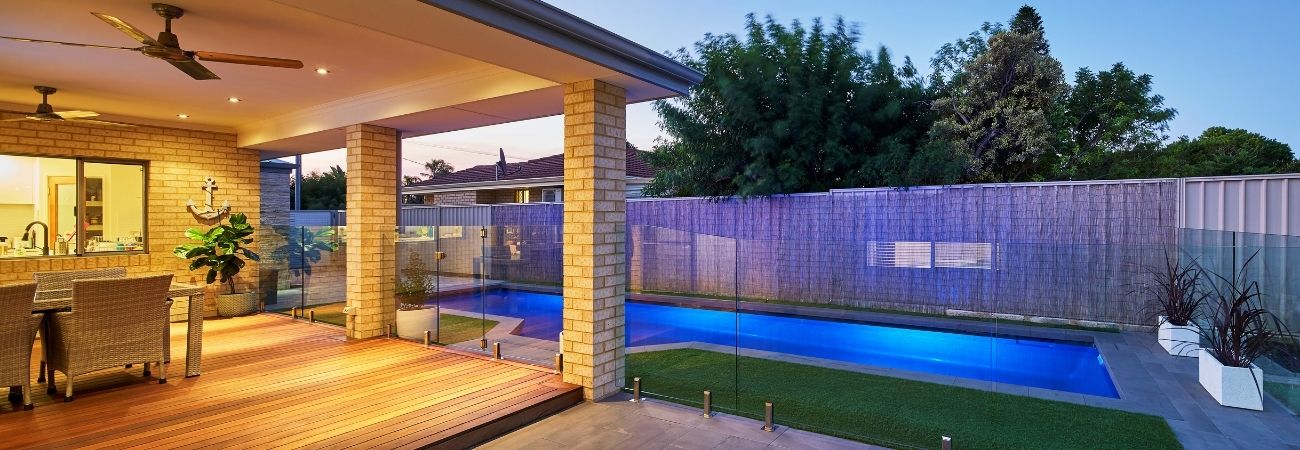
Lap pools are long, narrow pools designed specifically to maximise uninterrupted swimming space. Their signature rectangular shape allows swimmers to complete continuous laps without turning frequently, making them ideal for fitness, cardio training, and rehabilitation programs.
While they are typically 10-12 metres in length and 2.5-3 metres wide, some manufacturers offer shorter lap pool models that can be paired with counter-current swim jets for homeowners who want the benefits of lap swimming on a smaller block.
Their streamlined shape also gives them a clean, architectural look that enhances the aesthetic of modern homes.
In terms of layout and usability, lap pools usually feature design elements that minimise obstacles in the swim lane. This often includes offset entry steps, narrow internal steps, or steps placed at the far end of the pool to keep the length clear for uninterrupted swimming.
Depth can also vary depending on your needs. While some lap pools have a consistent depth of around 1.4–1.8 metres, others taper to deeper zones for advanced swimmers or incorporate shallower ends for families and children.
Homeowners can choose between fibreglass, concrete, or vinyl-lined construction, allowing for flexibility in budget, customisation, and installation timeframes.
There are also several options to enhance performance and comfort. Heating systems, such as electric, solar or heat pumps, can extend your swimming season throughout the cooler months. Homeowners also have the choice of chlorine, saltwater, or mineral sanitation systems depending on their preference for maintenance, skin sensitivity, and water feel.
Lighting, automation, tiled interiors, or attached spas can further enhance the usability and appearance of a lap pool, making it a versatile addition to a wide range of properties.
Advantages of Lap Pools
- Ideal for fitness, training, and regular swimming
- Perfect for narrow or long backyards
- Can still be used for family fun and entertaining
- Offers customisation with jets, lighting and heating
- Sleek, modern aesthetic
- Read more advantages of lap pools.
Lap Pool Disadvantages
- Not suitable for very small or square backyards
- Installation and maintenance costs can be similar to larger pools
- Less flexibility in design shape
- Generally not designed for lounging or socialising
Plunge Pools
Plunge pools are compact, deeper pools designed primarily for relaxation, cooling off, and low-impact movement. Typically sized between 3-5 metres long and 2-3 metres wide, they offer a comfortable alternative for homeowners who want the luxury of a regular pool without sacrificing a large portion of their yard.
With depths of around 1.4-1.6 metres and often a flat bottom, plunge pools strike a balance between the feel of a spa and the functionality of a small swimming pool. Their compact footprint makes them especially popular in urban homes, courtyard spaces, and narrow properties where traditional pools aren’t practical.
Functionality is a key feature of compact plunge pool designs. They are ideal for lounging, gentle hydrotherapy, and injury rehabilitation, providing a calm space to unwind at the end of the day. Many designs include bench seating, wide steps, or a small wading area to enhance comfort and usability.
Because of their smaller volume, plunge pools are inexpensive to run, heat, and maintain compared to larger pools. Fibreglass plunge pools are a durable option with fast installation that integrates seamlessly into bespoke landscaping.
Plunge pools also offer extensive opportunities for personalisation. You can upgrade them with swim jets to enable resistance training in a tight space, or add heating for year-round enjoyment. Popular additions include waterfalls, blade water features, deck jets, LED lighting, and tiled spillover edges to create a luxury, resort-style atmosphere.
Like lap pools, plunge pools can use chlorine, saltwater, or mineral systems depending on personal preference. Their adaptability, aesthetic versatility, and smaller footprint make them one of the fastest-growing pool choices in Australia, appealing to homeowners who want a stylish, low-maintenance pool that enhances both lifestyle and property value.
Read our Complete Guide To Plunge Pools

Advantages of Plunge Pools
- Perfect for small or awkward backyard spaces
- More affordable to run, heat and maintain with lower energy costs
- Fast installation (especially with fibreglass models)
- Can be upgraded with jets, benches, and water features
- Uses significantly less water and fewer chemicals
- Complements contemporary landscaping
Disadvantages of Plunge Pools
- Too small for swimming laps
- Limited space for large families or entertaining
- Shallow depth may not suit all preferences
- Same fencing and compliance requirements as larger pools

Comparison Table
| Feature | Plunge Pool | Lap Pool |
|---|---|---|
|
Typical Size |
3–5 m long, 2–3 m wide |
10–12 m long, 2.5–3 m wide |
|
Depth |
~1.4–1.6 m, often flat bottom |
1.2–2 m depending on design |
|
Primary Purpose |
Relaxation, cooling off, hydrotherapy |
Exercise, fitness, lap swimming |
|
Best For |
Small yards, courtyards, limited space |
Long or narrow blocks, fitness-focused homes |
|
Installation Time |
Fast (especially fibreglass) |
Fast for fibreglass; longer for concrete |
|
Maintenance |
Lower running costs, less water |
Moderate, similar to traditional pools |
|
Heating Efficiency |
Very efficient and affordable to heat |
More expensive to heat |
|
Entry Options |
Wide steps, benches |
Offset steps, narrow end steps |
|
Customisation |
Water features, lighting, tiling, and compact features like bench seats, jets, heating |
Moderate–high; Features like swim jets, deeper centre for laps, steps and adjoining spas |
|
Suitable For Kids? |
Yes, but limited play space |
Yes, more swimming/play area |
|
Swimming Laps? |
No |
Yes |
|
Installation Cost |
Lower overall cost |
Higher cost due to larger size |
Which Pool Is Best for You?
Choosing between a plunge pool and a lap pool ultimately comes down to how you plan to use your outdoor space. If fitness, regular swimming, and active use are your top priorities, a lap pool is the clear winner. Its long, uninterrupted design is purpose-built for exercise, offering enough room for freestyle, breaststroke, or resistance swimming with optional swim jets. Lap pools are also a great choice if you have a long, narrow block where a traditional pool may not fit but you still want a modern, stylish pool area.
On the other hand, if your main goal is relaxation, cooling down, or adding a social feature to your backyard, a plunge pool may be the more practical option. Plunge pools suit small and irregularly shaped spaces extremely well, making them ideal for inner-city homes, courtyards, or compact backyards. Their smaller water capacity means lower running costs, easy heating during winter, and reduced maintenance, perfect for homeowners who want all the benefits of a pool without the commitment of a full-size family pool.
It’s also important to consider your long-term plans, lifestyle, the way you entertain, and the vibe you want to create in your outdoor living area. A lap pool offers a sleek, architectural feel with a strong fitness focus, whereas a plunge pool provides a tranquil, resort-style escape.
Speaking with a pool professional can help you weigh up site conditions, soil type, desired features, and available space to ensure you get the best option for your home.
Explore the Range at The Fibreglass Pool Company
If you’re ready to take the next step, The Fibreglass Pool Company supplies a wide range of high-quality fibreglass swimming pools, including lap pools, plunge pools, spas, and combination designs like lap pool + spa configurations. Our pools are engineered for durability, fast installation, and low maintenance, making them a smart choice for busy households.
With a nationwide network of experienced pool installers, you can enjoy expert guidance from start to finish, no matter where you live. Explore our full range of pool shapes, sizes, and design options to find the perfect pool for your backyard and lifestyle.
Frequently Asked Questions
Are plunge pools cheaper than lap pools?
Yes. Plunge pools are usually more affordable to install and maintain because they use less water, require less excavation, and have smaller filtration systems. Their compact size also means lower heating and chemical costs over the life of the pool.
Can you exercise in a plunge pool?
You can perform low-impact exercises, resistance work, hydrotherapy and light movement. However, they are not suitable for swimming laps. Many homeowners add swim jets to increase the level of resistance for strength and mobility training.
What is the minimum size for a lap pool?
Most lap pools start at around 10 metres long, but some fibreglass manufacturers offer shorter models that can be combined with swim jets for continuous swimming. The width can also be adjusted depending on your yard, making them suitable for long, narrow blocks.
Do plunge pools need pool fencing?
Yes. All pools in Australia, regardless of size, must comply with pool fencing laws under AS1926. This includes correct boundary distances, gate latching requirements and certified inspections before the pool can be used.
How long does it take to install each type of pool?
Fibreglass plunge pools can be installed in as little as 1–2 weeks after approvals. Lap pools, particularly concrete pools, may take several weeks or months depending on complexity. Factors like soil conditions, access and additional landscaping can also affect timelines.
Are lap pools suitable for families?
Yes. While they are designed for swimming, kids can still enjoy playing in them, and the long shape works well for pool games. Many families also add a shallow entry zone or adjoining spa to create more versatility for younger children.
Can a plunge pool be heated?
Absolutely. Plunge pools are often heated because their smaller water volume makes them energy-efficient and cost-effective to warm year-round. Heating options include solar, gas or electric heating systems. This makes them perfect for night-time dips, cooler climates or creating a spa-like experience.
Which pool adds more value to a home?
Both add value, but it depends on your market. Lap pools may appeal more to fitness-oriented buyers, while plunge pools often attract small-lot or urban homeowners looking for relaxation. The overall design, landscaping and usability of the space also influence perceived value.