
The right pool cleaner can make maintenance simple, but not all systems work the same way. Robotic and pressure pool cleaners take two very different approaches to keeping your pool clean.
Robotic cleaners run independently with built-in motors, scrubbing and vacuuming debris into their filters. Pressure cleaners connect to your pool’s circulation system, using water flow to move around and collect debris in a separate bag.
The best choice depends on how thoroughly you want your pool cleaned, the type of debris you deal with, and how much you want to rely on your pool’s existing system.
Key Takeaways
Robotic pool cleaners are self-contained, scrub surfaces thoroughly and use their own internal filtration.
Pressure pool cleaners connect to the pool’s pressure side and are well-suited to leaves and larger debris.
Robotic cleaners are generally better for fine dirt, algae and surface grime.
Pressure cleaners may need a booster pump or a dedicated return line, depending on the model.
Both types can be used on fibreglass pools, but the cleaner must be compatible with the gelcoat surface.
The best choice depends on pool size, shape, debris type, existing equipment and maintenance preferences.
Quick Answer: Robotic or Pressure Pool Cleaner?
For most pool owners, a robotic pool cleaner will deliver a more thorough clean. It scrubs the pool floor, walls, steps and waterline, filters fine dirt and algae, and operates independently from the pool’s main filtration system.
A pressure pool cleaner is a strong option if your pool regularly collects leaves, grass, bugs and larger garden debris, particularly if the right plumbing is already in place.
Pressurized Pool Cleaners
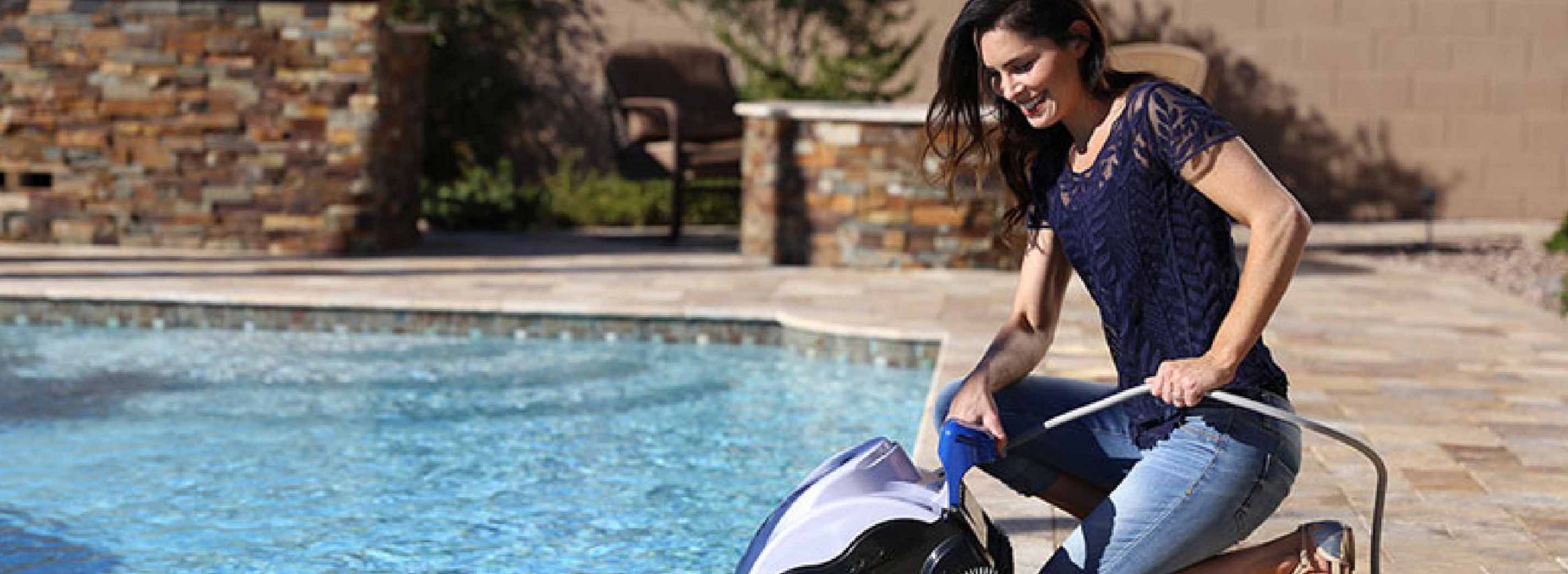
You already know that robotic pool cleaners are intelligent and powerful. However, in order to operate them, you have to hook them up to an outlet. With pressurized pool cleaners, there is no such issue. They have a simple process. The cleaner has a hose attached to the machine that is hooked up to your pool’s circulation system’s pressure side return. Once you attach the hose, you can flip the switch and let the cleaner do its magic.
However, this is not what makes pressurized pool cleaners unique. It’s the way they operate. It uses the force from water flow under pressure for propelling itself around the sides and bottom of the pool. Thanks to the generated pressure, the cleaner has enough suction for the cleaning tasks. Some models come with a booster pump that offers strong suction. Most pressurized cleaners have their own filter bags that reduce the wear and tear on the filter of your swimming pool.
Robotic Pool Cleaner vs Pressure Pool Cleaner: At a Glance
| Feature | Robotic Pool Cleaner | Pressure Pool Cleaner |
|---|---|---|
| How it works | Self-contained electric unit with its own motor. | Connects to the pressure return line and uses water flow to move around the pool. |
| Best suited to | Thorough cleaning, fine dirt, algae removal and regular pool maintenance. | Pools that regularly collect leaves, grass, bugs and larger garden debris. |
| Cleaning performance | Strong all-round performance across the pool floor, walls and surfaces, depending on the model. | Good for debris collection, but generally more limited when it comes to scrubbing and fine cleaning. |
| Large debris | Can collect leaves and larger debris, although smaller baskets may need frequent emptying. | Well suited to leaves, grass, bugs and other larger debris. |
| Fine dirt | Good. Internal filters or cartridges can capture finer particles. | Poor. May stir up fine dirt rather than collect it effectively. |
| Algae and scrubbing | Good. Rotating brushes help dislodge algae, grime and buildup from pool surfaces. | Poor. Pressure cleaners do not usually scrub pool surfaces effectively. |
| Walls, steps and waterline | Yes, depending on the model. | Limited. Coverage varies by model and pool shape. |
| Internal filtration | Yes. Uses an internal basket, cartridge or filter system. | No. Debris is usually collected in a separate bag attached to the cleaner. |
| Impact on pool filter | Low. Operates independently from the pool’s main filtration system. | Moderate. Performance depends on the pool plumbing, pump and setup. |
| Setup requirements | No plumbing connection required. Simply place the unit in the pool and connect it to power. | May require a booster pump or a dedicated pressure return line. |
| Energy use | Uses its own electric motor. | Relies on the pool pump. A booster pump can increase energy use. |
| Maintenance | Empty and clean the internal basket or filter, then store the cleaner after use. | Empty the debris bag and maintain hoses, wheels, fittings and connections. |
| Ease of use | High. Simple to place in the pool, run, remove and clean. | Moderate. Convenient once installed, but the setup can be more involved. |
| Cost | Higher upfront cost, but often strong long-term value due to independent operation and cleaning performance. | Lower entry cost may be possible, although extra equipment can add to the total expense. |
| Fibreglass pools | Suitable for compatible models. Always check the brush type and manufacturer recommendations. | Suitable for compatible models. Check manufacturer guidelines before use. |

What Is a Robotic Pool Cleaner?
A robotic pool cleaner is an automatic cleaner that operates entirely independently from your pool’s main filtration system. Think of it like a robotic vacuum cleaner for your pool. It moves around on its own, scrubbing and vacuuming as it goes.
Powered by an electric motor, the cleaner uses wheels or tracks to navigate the pool floor. Rotating scrubbing brushes dislodge dirt, algae and grime from pool surfaces while suction pulls the debris into an internal filter basket or cartridge.
Many models clean the pool floor, walls, steps and waterline, though coverage varies by model. Some include smart navigation, app controls or remote-control functions to target specific areas.
Pros and Cons of Robotic Pool Cleaners
Benefits of Robotic Pool Cleaners
- Stronger scrubbing performance than suction-side or pressure-side cleaners
- Can clean pool floors, walls, steps and the waterline depending on the model
- Effective at collecting fine dirt, dust, algae and settled grime
- Uses its own internal filter basket or cartridge, reducing the load on your pool’s main filter
- No connection to pool plumbing or filtration required
- Simple to use; place in the pool, switch on, remove and store when done
- Circulates pool water during operation, supporting overall water quality
- Some models include smart navigation, programmable cycles or app controls
Limitations of Robotic Pool Cleaners
- Higher upfront cost compared to other cleaner types
- Filter basket capacity varies; compact models may need frequent emptying
- Wheels or tracks can jam in a heavy layer of leaves; manual removal may be needed first
- Requires a safe, nearby power supply
- Needs to be removed, cleaned and stored properly after each use
- Replacement parts contribute to long-term maintenance costs
What Is a Pressure Pool Cleaner?
A pressure pool cleaner (also called a pressurised pool cleaner) connects to the pressure side of your pool’s circulation system. Rather than using its own motor, it relies on pressurised water from the return line to propel itself around the pool.
As it moves, debris is swept into a collection bag attached to the cleaner. Because the bag captures material before it reaches the pool’s filtration system, it reduces the number of large debris particles passing through the main filter.
Some pressure cleaners operate from the pool’s existing pump and return line. Others require a booster pump. Confirm which setup a specific model needs before purchasing.
Pros and Cons of Pressure Pool Cleaners
Benefits of Pressure Pool Cleaners
- Effective at collecting leaves, grass, twigs, bugs and other garden debris
- The collection bag captures debris before it reaches the main pool filter
- No electrical cable in the pool during operation
- Practical for pools surrounded by trees, gardens or landscaping with regular debris
- Can cover large pool areas efficiently when correctly matched to the pool setup
Limitations of Pressure Pool Cleaners
- Some models require a dedicated return line or booster pump
- Booster pumps increase energy use and running costs
- Performance depends on water pressure and pool plumbing
- Does not actively scrub pool surfaces
- Less effective at collecting fine dirt, dust or algae
- May not clean pool walls, steps or tight corners as thoroughly
- Requires regular bag emptying and maintenance of hoses, wheels and fittings
Which Pool Cleaner Does a Better Job?
Robotic pool cleaners generally provide a more complete result. They vacuum, scrub and filter debris independently, so pool surfaces receive a thorough clean each cycle. Pressure cleaners are strong for debris collection but fall short on surface scrubbing and fine particle removal.
Best for Leaves and Large Debris
Pressure pool cleaners suit pools that regularly collect leaves, grass, bugs and garden debris. The collection bag captures this material efficiently. Robotic cleaners can also handle leaves, but models with smaller baskets need more frequent emptying and a heavy leaf layer may block the wheels or tracks.
Best for Fine Dirt and Dust
Robotic pool cleaners are the better option. Their internal filters capture finer material and the combination of suction and scrubbing brushes lifts debris from pool surfaces effectively. Pressure cleaners may disturb fine particles without fully collecting them.
Best for Algae and Surface Grime
Robotic cleaners are the stronger option. Most models include rotating brushes that actively loosen algae from walls, floors and steps. Pressure cleaners do not scrub surfaces, making them less effective for algae or built-up grime. See our guide on signs you may need to replace your pool filter for related filtration advice.
Best for Walls, Steps and Waterline
Robotic pool cleaners generally provide better coverage of walls, steps and the waterline, depending on the model. Pressure cleaners focus primarily on the pool floor and have limited coverage around steps, ledges and corners.
What Affects the Best Pool Cleaner Choice?
Pool Size and Shape
Larger pools need a cleaner with stronger navigation or greater debris capacity. Pools with steps, bench seats, ledges or irregular shapes benefit from a robotic cleaner designed to handle those features. Browse the full fibreglass pool range to see the variety of shapes and sizes available.
Type of Debris
Pools with heavy leaf fall may suit a pressure cleaner or a robotic cleaner with a larger basket. Pools with fine dust, dirt or regular algae growth need the stronger filtration and scrubbing a robotic cleaner provides.
Existing Pool Equipment
Pressure cleaners may require specific plumbing, a compatible return line or a booster pump. Robotic cleaners are more flexible because they operate independently from pool plumbing.
Maintenance Expectations
Robotic cleaners need their internal basket emptied and cleaned after each use. Pressure cleaners require regular bag emptying and checks on hoses, wheels and fittings. See the pool maintenance checklist for a broader guide to keeping your pool in good condition.
Energy Use
Robotic cleaners run on their own electric motor, independent of the pool pump. Pressure cleaners rely on pool pump pressure, and models requiring a booster pump add to energy consumption.
Budget and Long-Term Value
Robotic cleaners have a higher upfront cost, but most owners find the improved performance and convenience offer strong long-term value. Pressure cleaners may cost less initially, but a booster pump, dedicated return line or more frequent filter maintenance can add to the overall cost over time.
Which Cleaner Is Easier to Use?
Robotic pool cleaners are the more straightforward option. Place in the pool, switch on, then lift out, empty and store when done. No plumbing connection is needed, and the cleaner does not depend on the pool pump.
Pressure cleaners can be convenient once installed, but setup is more involved if a booster pump or dedicated return line is required. Hoses, pressure settings and bag attachments also need periodic adjustment.
Which Cleaner Is Better for a Fibreglass Pool?
Both types can be used on fibreglass pools, but compatibility with the gelcoat surface is important. Some brush configurations or suction levels can cause surface wear if they are not suited to fibreglass.
Robotic cleaners are a popular choice for fibreglass pool owners because of their thorough performance and independent operation. That said, not every model suits every fibreglass pool. Brush type, wheel materials and suction levels all affect compatibility.
Always check the manufacturer’s guidelines and speak with a pool professional if unsure. For pool design inspiration, view our pool colour and design options.
Which Should You Choose?
Choose a Robotic Pool Cleaner if…
- You want scrubbing as well as vacuuming.
- Your pool gets fine dirt, dust or regular algae build-up.
- You want the cleaner to work independently from your filtration system.
- You want better coverage of walls, steps or the waterline.
- You prefer a hands-off option with minimal setup.
- You want to reduce the load on your main pool filter.
- You are comfortable with a higher upfront cost for better long-term performance.
Choose a Pressure Pool Cleaner if…
- Your pool regularly collects leaves, grass, bugs or garden debris.
- Your pool already has the right plumbing or return line setup.
- You do not need strong surface scrubbing.
- You want debris collected before it reaches the main pool filter.
- Your pool is surrounded by trees or garden areas with heavy debris loads.
If your pool doesn’t have the right return line or plumbing, a pressure cleaner may not be practical. A robotic cleaner is generally the better fit for a self-contained system that works with any pool setup. If dirt keeps returning to your pool after vacuuming, your current cleaning approach or filtration setup may need a review.
Final Verdict
There is no single best pool cleaner for every pool. The right choice depends on your pool’s shape, debris load, filtration setup and how much cleaning support you need.
Robotic pool cleaners are the stronger all-around option for homeowners who want thorough cleaning, surface scrubbing and independent filtration. They suit pools dealing with fine dirt, algae or surface build-up and place less demand on the main filtration system.
Pressure pool cleaners are a practical choice for pools that consistently collect leaves and garden matter, particularly when the right plumbing is already in place.
For many fibreglass pool owners, a robotic cleaner offers the best balance of convenience, cleaning performance and reduced load on pool equipment.
If you are planning a new fibreglass pool, the team at The Fibreglass Pool Company can help you choose a design that suits your maintenance preferences. Request a free quote to get started.
Frequently Asked Questions
Are robotic pool cleaners better than pressure pool cleaners?
Robotic pool cleaners are generally better for thorough cleaning because they scrub, vacuum and filter debris independently. Pressure pool cleaners are a useful option for pools that regularly deal with leaves, bugs and larger garden debris.
What is the difference between a robotic pool cleaner and a pressure pool cleaner?
A robotic pool cleaner is a self-contained electric unit with its own motor, scrubbing brushes and internal filter basket that operates independently from the pool’s plumbing. A pressure pool cleaner connects to the pressure side of the pool’s circulation system and uses water flow from the return line to move around and collect debris in a bag.
Do robotic pool cleaners clean pool walls?
Many robotic pool cleaners are designed to clean pool walls, but this depends on the model. Some also clean the steps and the waterline, while others focus primarily on the pool floor. Check the manufacturer’s specifications before purchasing.
Are pressure pool cleaners good for leaves?
Yes. Pressure pool cleaners suit pools surrounded by trees or gardens, provided the cleaner is correctly matched to the pool’s plumbing and pressure setup.
Do pressure pool cleaners remove algae?
No. Pressure pool cleaners do not actively scrub pool surfaces, so they are not effective at removing algae. A robotic pool cleaner with rotating brushes is the better choice.
Do robotic pool cleaners use the pool filter?
No. Robotic pool cleaners have their own internal filter basket or cartridge, so debris is collected without passing through the pool’s main filtration system. This reduces the load on the pool filter.
Do pressure pool cleaners need a booster pump?
Some do, and some do not. Whether a booster pump is needed depends on the specific model and the pool’s plumbing setup. Confirm this before purchasing.
Which pool cleaner is best for a fibreglass pool?
Both types can be suitable, depending on the model and surface compatibility. Many fibreglass pool owners prefer robotic cleaners for their thorough cleaning and independent operation. Always check manufacturer recommendations and confirm compatibility with your specific pool design.