
When planning a fibreglass swimming pool, a soil test may be required before installation. Even on sites that look stable, this step is not about paperwork or added cost. It provides critical insight into ground conditions for the pool to be excavated and installed correctly.
A soil test helps your pool builder understand the stability, composition, and how different soil types, including expansive soils, may behave once excavation begins.
This guide outlines what a pool soil test involves, when it is required, cost variations, and how the results affect excavation and installation.
Key Takeaways
- A soil test assesses the ground beneath your pool site and provides engineering guidance for excavation and installation.
- Soil testing is critical on sloping blocks, reactive clay sites, filled land, and areas with drainage or groundwater concerns.
- The cost of a residential pool soil test in Australia can vary depending on the scope of testing, site conditions, and location.
- The results directly affect excavation methods, base preparation, and long-term pool stability.
What is the soil test for a pool?
A soil test for a swimming pool is a geotechnical assessment performed by a qualified professional (typically a geotechnical engineer) to assess ground conditions beneath the site. Its purpose is to identify the soil conditions below the proposed pool location and provide recommendations that guide safe excavation and correct pool installation.
The process usually involves drilling one or more boreholes within the pool footprint. Soil samples are taken from different depths and tested to determine soil types, soil composition, strength, and behaviour. These findings are then compiled into a written geotechnical report.
While reports vary by site, they commonly include information about soil classification, bearing capacity, and reactivity. Many also provide notes on drainage, groundwater or water table conditions, compaction requirements,s and footing or base preparation recommendations.
In practical terms, the report explains how stable the ground is, whether it is likely to move with moisture changes, and what needs to be done to support the pool shell properly during and after installation.
What your soil report might mention in plain English
You may see technical terms in your report, but they usually relate to everyday installation decisions, such as:
- whether the soil expands or contracts when wet
- how well water drains through the ground
- how strong the soil is once compacted
- whether additional drainage or support is required
Understanding these points helps installers plan excavation and base preparation with fewer assumptions and less risk. Together, these testing results guide installation decisions and reduce guesswork during excavation and base preparation.
When do you need soil testing for a swimming pool?
Not every pool site requires a formal soil test. However, there are many situations where testing is either required by engineering standards or strongly recommended to reduce risk.
Sloping blocks
Soil testing is commonly required on sloping blocks, particularly where excavation depth varies or retaining walls are required. Understanding the slope and ground stability helps guide safe excavation and long-term pool performance.
Reactive clay
Testing is also important on sites with reactive clay and expansive soils, which can expand when wet and contract as they dry. Identifying these soils allows your pool builder to plan for potential ground movement.
Unknown ground history
Filled sites or blocks with an unknown ground history are another common trigger. Imported fill may not be compacted evenly, which can affect pool stability long-term.
Poor drainage
Areas with high water tables or poor drainage also benefit from testing, as effective groundwater management is critical during excavation and installation.
Heavy structures
Soil testing may be recommended when heavy structures, such as house extensions, boundary walls, or garages, are adjacent to the pool area. Knowing how the ground distributes load in these situations helps protect both the pool and the surrounding structures.
Reactive soils
In regions with known reactive soils, such as parts of regional Queensland, local site assessments are critical. This is why soil testing is often recommended for fibreglass pools in Toowoomba, where ground conditions can vary significantly between sites.
Can I do soil sampling myself?
You can dig a hole and observe the soil yourself, but this is not the same as a compliant soil test for a swimming pool.
A professional soil test relies on controlled boreholes, correct sampling methods, and laboratory testing. Just as importantly, the results must be interpreted by a qualified engineer who understands how soil behaviour affects excavation, compaction and long-term pool performance.
DIY sampling may provide a rough indication of soil type, but it rarely satisfies engineering requirements or replaces a proper geotechnical report. For many pool installations, particularly on higher-risk sites, installers and engineers rely on independent testing to make informed decisions.


How much does a soil test cost in Australia?
The cost of a soil test for a swimming pool in Australia varies based on site conditions and the level of assessment required.
Several factors influence pricing. These include site access, the number and depth of boreholes required, and the type of report needed. A basic soil classification report is generally cheaper than a detailed geotechnical report with engineering recommendations. Location also plays a role, with costs differing between metropolitan and regional areas.
When viewed in context, soil testing is a form of risk management. Identifying ground conditions early is usually far more cost-effective than addressing movement or drainage problems after installation.
How soil results affect pool excavation and installation
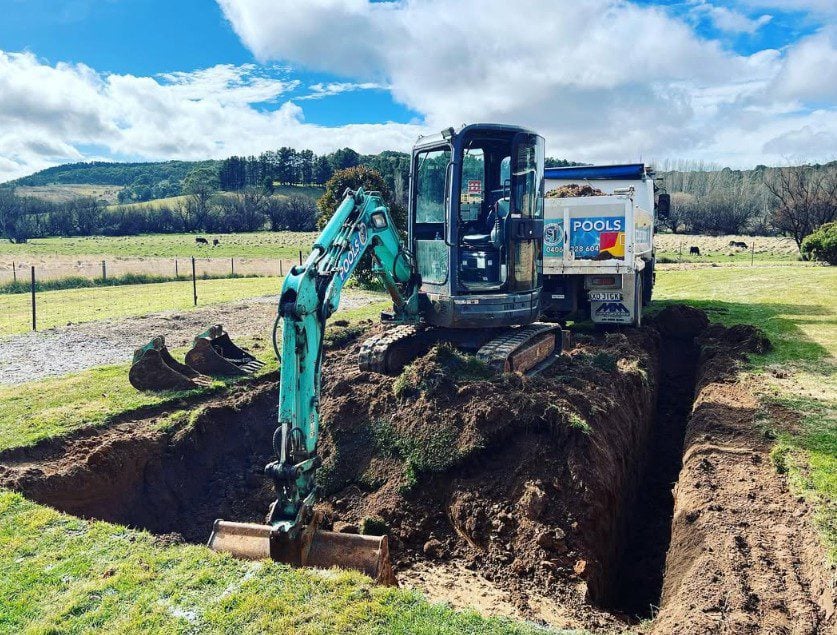
Soil test results directly influence how a fibreglass pool is installed, particularly during the excavation stage. For your pool builder, this information is used to determine excavation methods, base preparation, and drainage strategies suited to the site’s soil stability.
If soil strength is low or a collapse risk is identified, excavation methods and equipment selection may change to improve safety and stability. In some cases, temporary support measures may be required to maintain excavation walls.
Base preparation is another key area influenced by soil results. The report may specify how the pool base should be compacted, what materials are suitable, and whether additional stabilisation is needed to prevent settlement. Drainage and dewatering recommendations help manage groundwater so the pool shell remains properly supported.
This is why soil testing forms part of the broader planning stage and feeds directly into the excavation phase of The Fibreglass Pool Company’s installation process, where ground conditions influence equipment choice, base preparation, and drainage setup.
By addressing these factors upfront, soil testing helps reduce the risk of movement-related issues over the life of the pool.
Conclusion
A soil test for a swimming pool is not just an administrative step. It is a practical assessment that helps ensure your pool is installed on ground that can properly support it.
If you are still in the research phase, the Ultimate Guide to Fibreglass Pools installation costs and care provides a broader context around site preparation, installation stages, and long-term ownership considerations.
Next Step: Request Your Site Assessment
A soil test is an important step in ensuring your fibreglass swimming pool is built on a stable and suitable foundation. To discuss your project, arrange a site assessment, or get a quote, contact The Fibreglass Pool Company:
North & South Brisbane: 07 3078 6788
National: 1300 324 909
You can also visit our display centres or submit an enquiry through our contact page.
Frequently Asked Questions
What is the soil test for a pool?
A pool soil test is a geotechnical assessment that examines the ground beneath a proposed pool site. It identifies soil type, strength, and behaviour and provides recommendations for excavation and installation.
Do I always need a soil test before installing a pool?
Not always. Flat sites with stable natural soils may not require formal testing, but sloping blocks, reactive clay sites, filled land, and drainage issues often do.
How much does a soil test cost?
Pricing changes based on borehole depth, number of test locations, site access, and whether a basic or detailed geotechnical report is required.
Can I do soil sampling myself?
You can observe soil manually, but a comprehensive soil test requires professional drilling, laboratory analysis, and engineering interpretation.
What problems can soil testing prevent for pools?
Soil testing helps prevent issues such as ground movement, poor drainage, uneven settlement, and excavation instability.
How long does it take to get my soil test results?
Many residential soil test reports are completed within one to two weeks, depending on laboratory turnaround times and complexity.