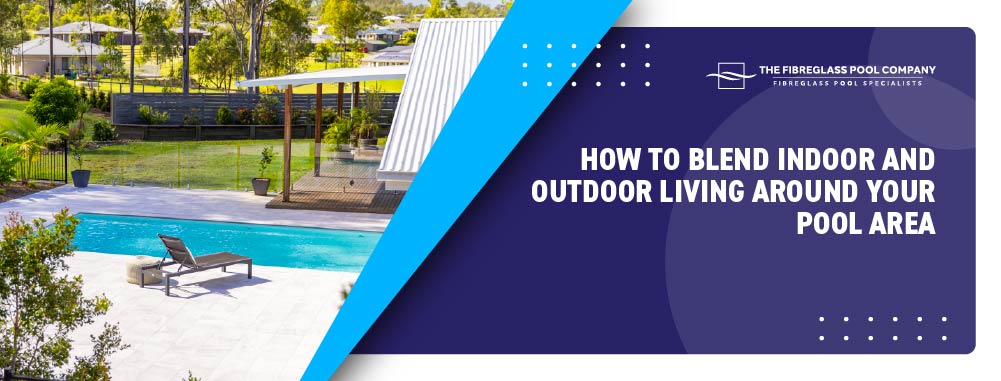
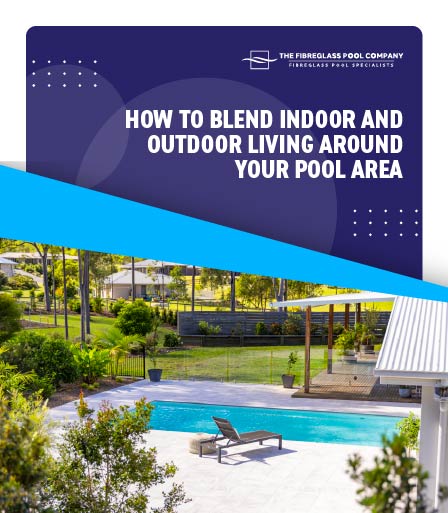
Blending indoor and outdoor living around your pool area means creating a seamless connection between home and garden. This can be achieved through open-plan layouts, matching materials, and clever use of lighting, shade, and flow. The result is a cohesive space that feels larger, more luxurious, and perfect for both entertaining and relaxation.
Why Indoor-Outdoor Flow Matters in Poolside Design
In Australian homes, where warm weather invites year-round alfresco living, the line between indoor and outdoor is becoming more flexible than ever. Nowhere is this more important than around your pool area, where social zones, relaxation spaces and family-friendly design come together.
A well-integrated layout makes your home feel more spacious, improves the usability of outdoor areas, and boosts your overall lifestyle. Whether you’re working with a compact courtyard or a larger block, the goal is the same — create a poolside living area that feels like a natural extension of your home.
Start With Layout: Create a Logical Connection
Open the Living Area Toward the Pool
The first step in blending spaces is making sure your indoor living areas open directly onto the pool zone. Consider:
- Installing stacking, bifold or sliding glass doors
- Raising or levelling the floor height for a smooth transition
- Orienting furniture to face out toward the garden
This kind of layout draws the eye outside and makes it easier to move between indoors and out — especially handy during gatherings, family weekends, or pool parties.
Use Consistent Materials for a Seamless Look
Match Flooring and Finishes
Visual consistency helps small spaces feel larger and more unified. One of the most effective tricks is to use the same or similar flooring materials both inside and out.
Some great options include:
- Porcelain pavers with indoor-outdoor versions
- Timber or timber-look decking continued from the living room to the alfresco
- Polished concrete with non-slip outdoor sealants
Also consider carrying through your colour palette from inside — whether it’s neutral stone, warm timbers, or bold blacks and greys. These details tie the whole space together.
Choose Outdoor Furniture That Complements Indoors
Match Style, Not Just Purpose
Your poolside furniture doesn’t need to be identical to your indoor pieces — but it should feel like it belongs in the same home. Think about:
- Materials: timber, rattan, aluminium, or outdoor upholstery
- Colours: match to walls, joinery, or feature decor
- Style: keep a consistent aesthetic (e.g. coastal, Hamptons, modern, industrial)
High-quality outdoor lounges, modular seating, and dining tables now offer indoor-level comfort with full weather protection. The result? You can lounge by the pool just like you would in the living room.

Extend the Roofline or Add Covered Zones
Provide Shelter Without Separation
Blending indoor and outdoor living around the pool is easier when there’s shade and cover that connects the two zones. Think:
- Pergolas, breezeways, or louvre roofs
- Retractable awnings that provide flexible cover
- A roofline extension from the main house over the patio or alfresco area
These structures let you use the pool area all year round — even in rain or harsh sun — and they visually continue your indoor ceilings out into the garden.
Add Outdoor Kitchens or BBQ Zones Near the Pool
Cook, Eat and Entertain Without Going Inside
A key part of indoor-outdoor living is functionality. Including a built-in BBQ, outdoor kitchen, or even a drink station near your pool adds convenience and keeps everyone together.
Incorporate:
- Built-in benchtops or cabinetry
- Outdoor-rated fridges and sinks
- Lighting, power points, and ventilation
Having somewhere to prep food or mix a drink without ducking indoors helps your pool area feel like a true extension of the home — not a separate backyard zone.
Lighting Ties the Space Together at Night
Use Layered Lighting Across Zones
At night, lighting plays a huge role in blending your indoor and outdoor living spaces. To avoid a jarring transition between zones, aim for a soft, even glow using:
- Warm white LED lighting in both areas
- Downlights or wall lights for ambient glow
- Path and step lights for movement
- Feature lighting for trees, water walls or architectural features
Lighting consistency means you won’t feel like you’ve stepped into a different space — and it adds safety for night-time swimming or entertaining.
Use Glass Pool Fencing for Visibility and Flow
Keep the Space Open Without Losing Safety
If your pool is directly adjacent to the house or patio, frameless glass pool fencing is the best choice for uninterrupted flow. It allows:
- Full visual connection between indoors and pool
- An open, expansive feel — even in small backyards
- Compliance with Australian pool safety standards
Clear sightlines also make it easier to supervise kids in the pool without feeling separated from the action indoors.

Incorporate Greenery Into Both Spaces
Bring the Garden Indoors — and the Indoors Out
To reinforce the connection between your home and poolside area, introduce plants and natural elements that appear in both zones. Try:
- Repeating the same planter style or pot colour
- Including indoor palms or ferns to match outdoor landscaping
- Using vertical gardens or climbers along poolside walls
Plants soften the transition between hard surfaces and add a resort-style feel. This trick works well for courtyard pools, where walls can dominate the space.
Smart Design Ideas for Compact Pool Areas
Even with limited space, you can achieve seamless indoor-outdoor flow by:
- Installing corner windows or sliding doors from multiple rooms
- Using mirror panels or reflective tiles to bounce light and space
- Adding a bench seat or daybed that straddles the indoor-outdoor divide
- Choosing neutral tones that don’t overwhelm compact areas
It’s all about maximising visual connection and minimising separation — even with smaller pool footprints.
Create Zones Without Cutting Flow
Use Levels, Rugs or Lighting Instead of Walls
You don’t need to physically divide the space to create function. Instead of building solid walls, try:
- Stepping up or down to subtly zone dining, lounging, or swimming
- Using outdoor rugs or tiles to define spaces
- Lighting different areas with distinct brightness or style
These soft divisions allow you to shape activity zones without disrupting your indoor-outdoor lifestyle or blocking views.
Make the Pool the Focal Point
Design Around the Water Feature
If you’re investing in a pool, make it a feature — not an afterthought. With the right positioning, lighting, and landscaping, your swimming pool becomes the centrepiece of your indoor-outdoor design.
- Position the pool where it’s visible from the kitchen or main living area
- Install feature lighting or a water blade for night-time impact
- Add surrounding seating or steps to encourage poolside activity
This keeps the space social, practical, and connected — morning, noon, or night.