
This guide walks through the key factors to consider when choosing the best location for your pool, with advice tailored specifically to fibreglass pools and Australian backyards.
Introduction
Installing a swimming pool is a major investment. While many homeowners spend months deciding on the shape, pool size, and finishes of their pool, the location of the pool is often overlooked.
In reality, the position of your pool will influence how often it is used, how comfortable it feels, how much it costs to run, and how well it integrates with your home and outdoor spaces.
A thoughtfully positioned pool can become the natural centre of outdoor living. A poorly positioned one can feel disconnected, colder than expected or harder to maintain. Sun exposure, wind, privacy, access and council requirements all play a role, and each property presents a unique set of challenges and opportunities.
Understanding Fibreglass Pools and Why Location Still Matters
Fibreglass swimming pools are manufactured as a single shell and delivered to the site ready for installation. This approach allows for faster installation times and a smoother finished surface that is comfortable underfoot and easy to maintain.
Because fibreglass pools are pre-made, many homeowners assume placement is less important or more limited. In reality, fibreglass pools are highly adaptable and can be installed in a wide range of backyard conditions when planned correctly.
Where you place your fibreglass pool directly affects:
- Installation access and crane positioning
- Earthworks and drainage requirements
- Heating efficiency and sun exposure
- Privacy, safety, and visual appeal
- Long-term maintenance and running costs
While fibreglass pools are adaptable to a wide range of backyard layouts and landscape designs, the right placement maximises their benefits. Thoughtful site selection can reduce costs, improve usability, and ensure your pool feels like a natural extension of your home rather than an afterthought.
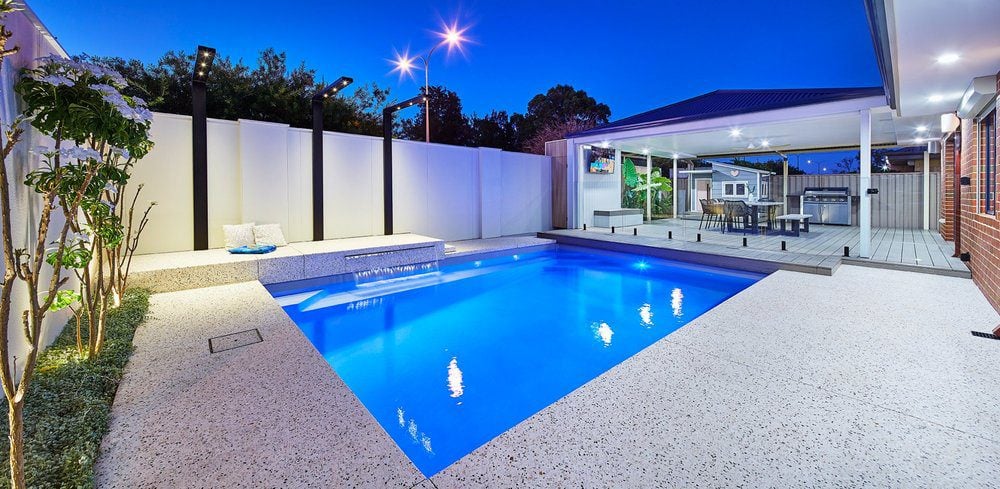
Top Factors to Consider When Choosing Your Pool Location
Sun Exposure & Orientation
Sun exposure is one of the most important and most overlooked factors in pool placement. In Australia, the ideal orientation typically captures north or north-east sunlight, particularly in the Southern Hemisphere.
Maximising natural sunlight helps:
- Keep pool water warmer for longer
- Reduce reliance on pool heating
- Extend swimming seasons into cooler months
- Create a more inviting pool environment
Avoid placing your pool in areas heavily shaded by your home, neighbouring buildings, or large trees. While some shade is beneficial during peak summer heat, excessive shade can significantly reduce water temperature and usability.
Practical tips:
- Observe how the sun moves across your yard throughout the day
- Consider seasonal sun paths, not just summer conditions
- Balance morning warmth with afternoon comfort
Wind Patterns & Protection
Wind affects how comfortable your pool area feels. Prevailing winds can cool the water, increase evaporation, and blow debris into the pool, increasing cleaning and chemical use.
Positioning your pool in a naturally sheltered location can improve comfort and reduce maintenance. Built structures, such as your home, boundary walls, or fences, can help block strong winds, while thoughtful landscaping can act as an effective wind buffer.
Design considerations:
- Identify prevailing wind directions on your property
- Use fencing, screens, or hedges as windbreaks
- Avoid exposed corners where wind funnels through
Accessibility & Flow with Your Home
The best pool locations feel connected, not isolated. Pools positioned close to indoor living areas or outdoor entertaining spaces are used more often and feel like a natural part of daily life.
Think about how people will move between:
- Kitchen and alfresco areas
- Living rooms and outdoor seating
- Change rooms, bathrooms, and the pool
Clear pathways, non-slip surfaces, and intuitive access improve safety and usability. Pool fencing and gates should meet legal requirements while still allowing easy supervision from inside the home.
Topography & Ground Conditions
The shape and slope of your block play a major role in determining where your pool can be placed. Flat areas and a level surface are generally simpler to build on, but fibreglass pools are well-suited to sloping or uneven sites with the right planning.
Drainage is critical. Avoid low-lying areas where water naturally collects, as poor drainage can affect the pool’s base and surrounding landscaping.
Key considerations:
- Soil type and stability
- Natural drainage paths
- Retaining wall requirements
- Finished pool height relative to the home
A professional site assessment early in the planning process can prevent costly surprises later.
Views & Privacy
A pool should enhance your outlook, not expose you to unwanted views. Positioning your pool to face gardens, landscaped features, or open skies helps create a relaxed, resort-style atmosphere.
Privacy is equally important. Thoughtful placement combined with screening, fencing, or planting can shield your pool area from neighbours without feeling enclosed.
Consider how seating, steps, and lounging zones are oriented so that swimmers and guests naturally face the most appealing views.
Distance from Trees & Landscaping
Trees can provide shade and visual softness, but they also bring leaves, pollen, and root systems that may interfere with plumbing or pool surrounds.
Placing your pool too close to large trees can increase maintenance and long-term repair risks. Where trees are unavoidable, strategic planting choices and pool covers can help reduce debris.
Opt for low-litter plant species and ensure root barriers are used where necessary.
Services & Utilities Access
Your pool will require access to water, power, and filtration equipment. Locating the pool near existing services can simplify installation and reduce costs.
It’s also important to:
- Identify underground services before excavation
- Allow space for pumps, filters, and heaters
- Ensure easy access for ongoing maintenance
Poor planning around services can lead to expensive relocations or awkward equipment placement.
Local Codes, Setbacks & Safety Requirements
Pool placement in Australia is regulated at both state and local council levels. These regulations govern:
- Boundary setbacks
- Easements and sewer clearances
- Pool fencing and gate requirements
- Visibility for child safety
Compliance is not optional, and overlooking these rules can delay your project or require redesigns. An experienced fibreglass pool builder will guide you through local requirements and approvals.
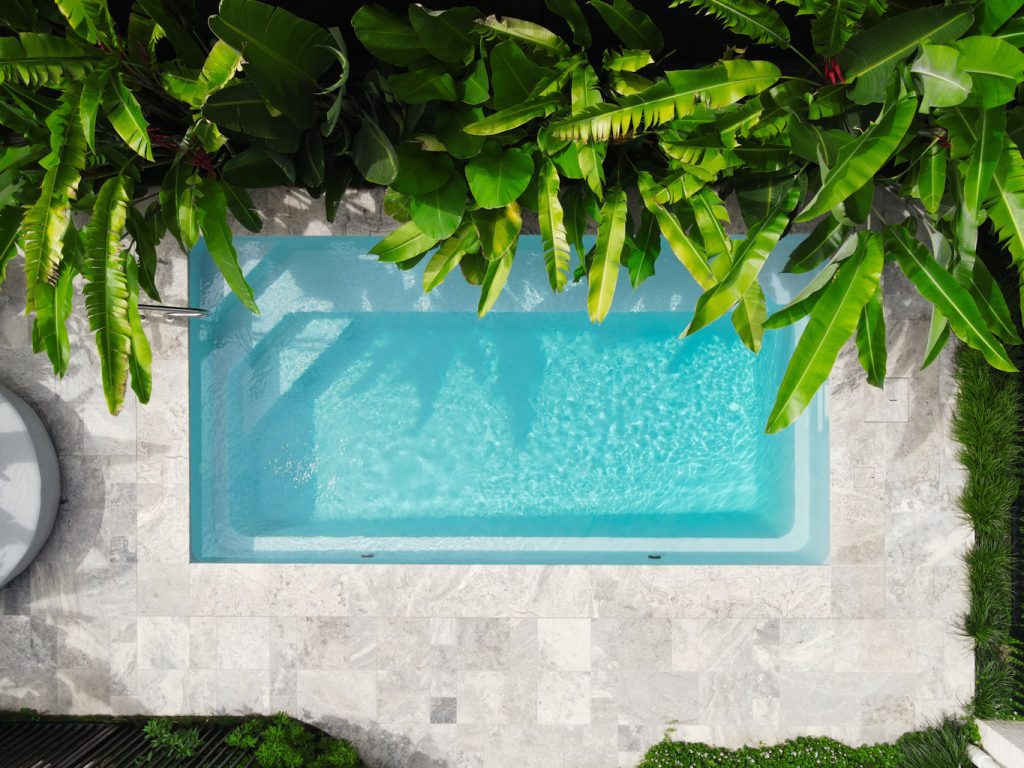
Fibreglass Pool Specific Placement Benefits
Flexible Pool Placement
Fibreglass pools offer a high level of flexibility when it comes to positioning within a backyard. Their structural design allows them to be installed in a wide range of settings, including locations close to decking, retaining walls and outdoor living areas.
Depending on site conditions, fibreglass pools can be installed in different configurations, such as:
- Fully in-ground installations
- Semi inground pool designs
- Partially above-ground placements
This flexibility makes fibreglass pools well suited to sloping blocks, tiered landscapes and compact yards where ground levels vary. With careful planning, available space can be used efficiently without compromising safety, access or visual balance.
Faster Pool Installation and Reduced Disruption
Unlike a concrete pool, which requires extensive on-site construction, Fibreglass pools are delivered to the site as a complete shell, which reduces the amount of construction work required. Excavation is more controlled, and installation timelines are shorter compared to traditional pool builds.
This results in:
- Less disruption to existing landscaping and garden areas
- Reduced machinery time on site
- A quicker transition from excavation to swimming-ready
Faster installation is particularly valuable for properties with limited access, narrow side entries or close neighbouring boundaries, where prolonged construction activity can be challenging.
Cost Predictability
The pre-manufactured construction process of fibreglass pools provides greater certainty during the planning and quoting stage. With fewer variables introduced during construction, budgets and timelines are easier to manage.
Benefits include:
- Clearer upfront pricing
- Reduced risk of unexpected site-related costs
- More predictable installation schedules
When pool placement works with natural site conditions, overall efficiency improves, and unnecessary structural work can often be avoided.
Aesthetic Integration
Modern fibreglass pool designs are created to integrate seamlessly with surrounding outdoor spaces. Smooth lines, built-in steps, water features and integrated seating help pools sit comfortably within both large and compact layouts.
Fibreglass pools pair particularly well with:
- Timber or composite decking
- Paved patios and pool surrounds
- Alfresco dining and entertaining areas
This allows the pool to feel like a natural extension of the home rather than a separate feature.
Adaptability Across Backyard Types
Fibreglass pools perform well across a broad range of backyard sizes and shapes. Their versatility makes them suitable for:
- Small urban backyards
- Sloping or terraced blocks
- Irregular or narrow spaces
With thoughtful placement and design, fibreglass pools can transform challenging areas into functional and visually appealing outdoor zones.
Practical Planning Steps
A structured planning approach helps ensure the pool is positioned correctly from the outset.
Key steps include:
- Measure and map your available yard space
- Observe sun exposure and wind patterns at different times of day
- Identify boundaries, easements and existing service locations
- Review council regulations and pool fencing requirements early
- Consider access for delivery vehicles and installation equipment
- Develop a concept layout that balances function, comfort and aesthetics
- Consult with experienced fibreglass pool specialists
- Obtain detailed quotes and installation timelines
The Fibreglass Pool Company offers professional site assessments and expert guidance to help homeowners choose the most suitable pool location for their property and lifestyle.
Conclusion
For homeowners considering a fibreglass pool, location planning is essential. Fibreglass pools are known for their flexibility and efficiency, yet choosing the right position remains crucial for achieving the best outcome.
For expert guidance tailored to your backyard, lifestyle, and budget, contact The Fibreglass Pool Company today to arrange a personalised consultation and free quote.
Use Our Canibuild Tool!
In just 3 easy steps, you can use our handy tool to see how a pool will fit in your backyard!
Simply:
- Enter Your Address
- Select The Pool You Like
- Find The Perfect Fit For Your Backyard!
Discover The Ideal Pool Size For Your Backyard
instant results
Frequently Asked Questions
What direction should my pool face in Australia?
North or north-east facing pools receive the most consistent sunlight, keeping water warmer and extending swim time. Considering shadows from your home, trees, and neighbouring buildings is essential for creating a comfortable outdoor retreat and ensuring your plunge pool is used year-round.
How close can my pool be to my house?
Distance depends on council setbacks, structural requirements, and access needs. Fibreglass pools can often sit closer to the home than other types, but a professional assessment ensures compliance with safety regulations and Australian standards, keeping your family safe.
Can fibreglass pools be installed on sloping blocks?
Yes. Fibreglass pools adapt well to slopes and terraced sites. With careful planning, they can be installed fully inground, semi inground, or partially above ground. Proper placement also ensures compliance with drainage requirements, safety regulations, and Australian standards.
Do I need a contour or site plan before choosing a pool location?
A site or contour plan is highly recommended. It maps ground levels, slopes, and drainage patterns, helping your plunge pool perform efficiently while meeting council requirements, safety regulations, and Australian standards.
Does pool placement affect overall cost?
Yes. Access, excavation difficulty, and proximity to utilities all influence cost. Choosing a location that works with natural site conditions can reduce expenses, simplify installation, and ensure your outdoor retreat is safe and compliant.